Essential Guide to Half Racks for Fitness Facilities

Kpeakfit, full-chain manufacturer with 10+ years & 90,000㎡ workshop.

Exhibit at IWF Shenzhen(H4A10) & WFF Shaoxing for global buyers.

Certified fitness gear, one-stop service for worldwide partners.

application/Half-Rack, application/Half-Rack, 
Inquiry
Inquiry

Half Rack

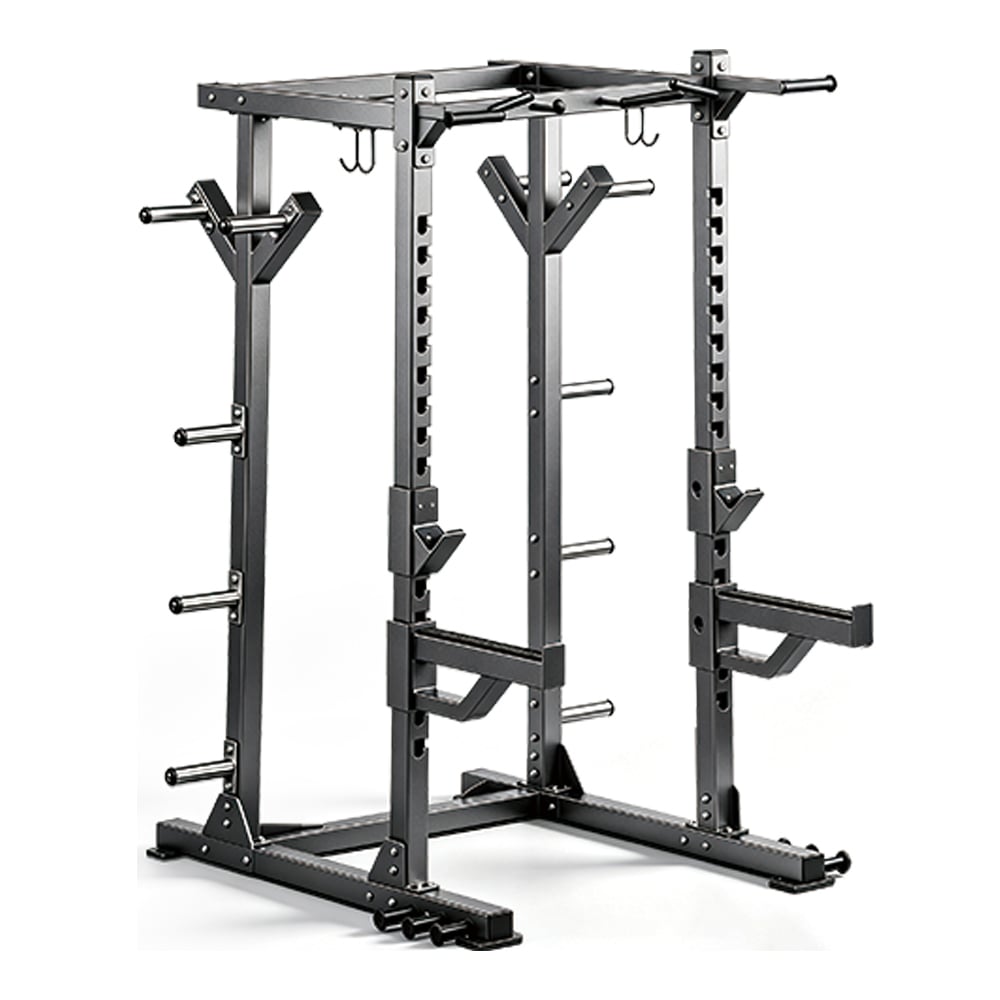
A half rack is a versatile piece of fitness equipment that is a staple in many commercial and private gyms. It provides a sturdy framework for various exercises, allowing users to perform squats, bench presses, and other strength training movements safely. For purchasing managers and fitness facility owners, understanding the essential specifications, usability, and selection process is crucial to making informed buying decisions that align with their operational needs and budget constraints. This article will delve into the key specifications to consider when evaluating half racks, their suitable applications, and important buyer insights.

Suitable Uses for Various Projects

Suitable Uses for Various Projects

Half racks are highly versatile and can be used in various settings, making them suitable for numerous projects:

Commercial Gyms: In a commercial gym setting, half racks are ideal for strength training areas, allowing multiple users to perform exercises simultaneously. Their compact design makes them suitable for facilities with limited space.

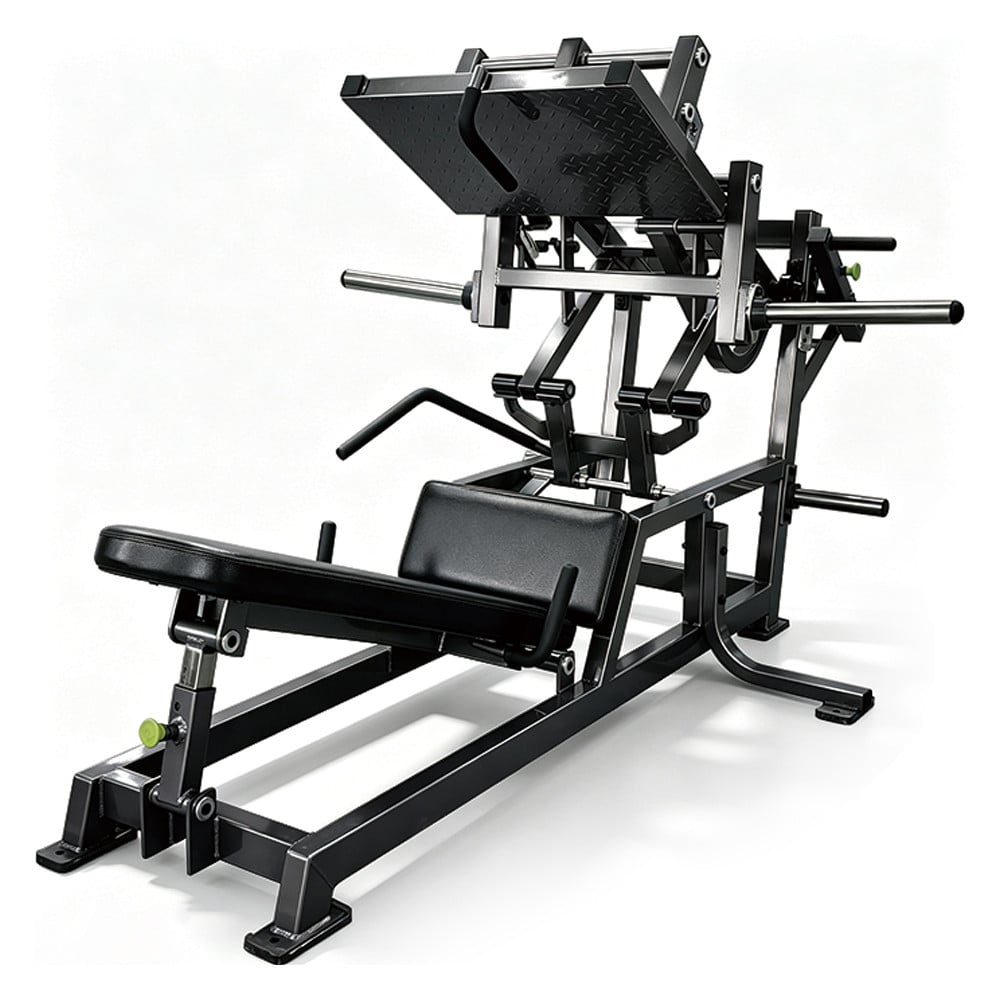
Home Gyms: For individuals setting up a home gym, a half rack provides a comprehensive solution for strength training without requiring excessive space. It can accommodate a variety of exercises, making it a valuable addition for at-home fitness enthusiasts. For instance, consider adding the BD1004 Hack Squat Trainer to enhance your strength training routine.

CrossFit Studios: Half racks can be integrated into CrossFit workouts, providing a safe and stable structure for Olympic lifting, squats, and other high-intensity movements.

Personal Training Facilities: Personal trainers can utilize half racks for client workouts, customizing sessions based on each client’s fitness level and goals, making it a flexible option for training environments.

What Buyers Should Know

What Buyers Should Know

Before purchasing a half rack, buyers should consider several practical aspects to ensure they make an informed decision:

Minimum Order Quantity (MOQ): Depending on the supplier, there may be a minimum order quantity for purchasing half racks. Understanding the MOQ can help buyers plan their budgets and inventory accordingly.

Customization Options: Some manufacturers may offer customization in dimensions, colors, or additional features. Discussing these options upfront can help tailor the equipment to specific facility needs.

Quality Control Processes: Inquire about the manufacturer’s quality control processes to ensure the half racks meet safety and durability standards. This may include information about testing protocols and certifications.

Lead Times: Understanding the lead times for production and delivery can help buyers plan for equipment installation and ensure that their facility is adequately equipped for upcoming programs or promotions.

A Detailed Overview

A Detailed Overview

XiaoKe Fitness Technology Co., Ltd. specializes in the design and production of high-quality fitness equipment, including half racks. With a manufacturing facility spanning 90,000 square meters and advanced automated production lines, the company ensures high-precision manufacturing and stable quality for global markets.

The manufacturing process involves rigorous quality checks at various stages, from raw material selection to final assembly. This attention to detail guarantees that each half rack meets strict safety and performance standards, making them a reliable choice for any fitness facility. Additionally, incorporating equipment like the BM1015 Leg Press Machine can further enhance the training experience.

For buyers, it’s important to request detailed product data sheets that outline specifications, materials used, and any available certifications. This information can aid in evaluating the product against competitors and ensuring it aligns with your facility's safety and performance standards.

How to Choose the Best Half Rack for Your Fitness Facility

Selecting the right half rack for a fitness facility involves several steps:

Assess Your Space: Measure the available area where the half rack will be placed, ensuring there’s enough room for users to exercise safely.

Determine User Needs: Consider the types of exercises that will be performed and the expected volume of use. This will help dictate the necessary weight capacity and features required.

Evaluate Specifications: Compare the specifications of different half racks, focusing on material, weight capacity, adjustability, and dimensions. Ensure that the chosen model meets or exceeds the requirements of your facility.

Request Samples: If possible, request a sample or a demonstration of the half rack. This allows you to assess the build quality and usability firsthand, ensuring it meets your expectations.

Discuss Customization: If your facility has specific branding or functional requirements, discuss customization options with the supplier to tailor the half rack to your needs.

Review Supplier Reputation: Research the manufacturer’s reputation in the industry, including customer reviews and case studies. A reliable supplier will have a history of delivering quality products and supporting their clients post-purchase.

By considering these factors, buyers can make informed decisions that lead to successful investments in half racks that enhance their fitness offerings.

Key Specifications to Consider

When selecting a half rack, several key specifications should be evaluated to ensure it meets the operational and safety requirements of your fitness facility:

Material: Most half racks are constructed from heavy-duty steel, which provides stability and durability. Look for racks made from high-gauge steel to ensure they can withstand heavy loads without bending or breaking.

Weight Capacity: This specification indicates the maximum weight that the rack can safely support. A typical half rack may have a weight capacity ranging from 500 to 1,000 pounds. It’s important to choose a rack with a capacity that exceeds the expected maximum load to ensure safety and longevity.

Dimensions: The size of the half rack, including its height, width, and depth, should fit comfortably within your facility. Consider the space available to ensure there is enough room for users to exercise safely without obstruction.

Adjustability: Adjustable barbell catchers and safety arms are critical features that allow users to customize the height of the equipment for different exercises. This is particularly important for accommodating various user heights and exercise types.

Finish: The surface treatment of the half rack can affect its durability and maintenance. A powder-coated finish can help prevent scratches and rust, making it suitable for long-term use in a gym environment.

Frequently Asked Questions

What is the Half Rack designed for?

The Half Rack is engineered for strength training, allowing squats, presses, pull-ups and accessory lifts with a compact footprint and robust construction for home or commercial gyms.
Made from high-strength steel with precision welding and powder coating, it offers durable, stable performance produced on advanced automated lines for consistent quality.
Dimensions vary by model; typical Half Racks fit standard barbells and support weights from 500kg to 1000kg depending on configuration. Contact us for exact model specs.
Yes, some assembly is required. We include detailed step-by-step instructions and hardware; technical support is available for installation guidance.
Yes. We support custom configurations, finishes and bulk production. Our large facility and integrated R&D enable tailored solutions and reliable lead times for global clients.

Get a Free Quote

Our representative will contact you soon.
0/1000

Related product categories