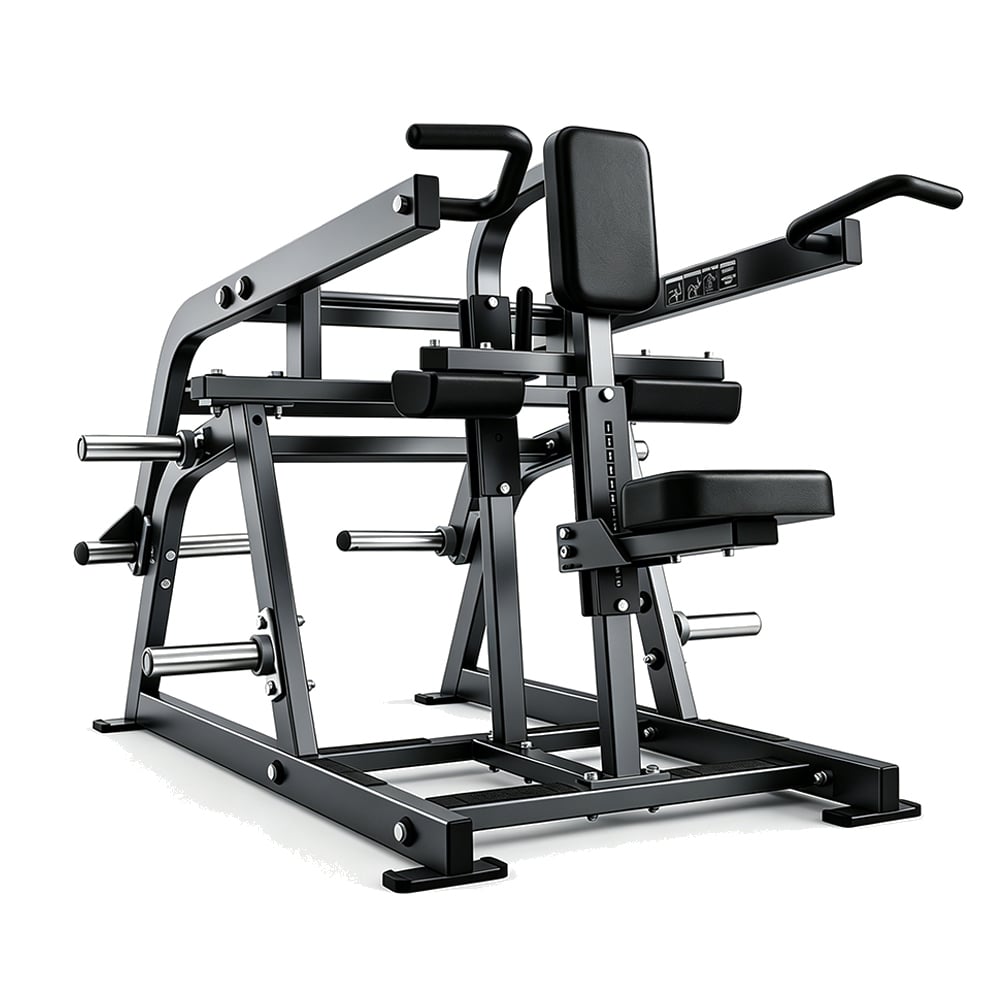
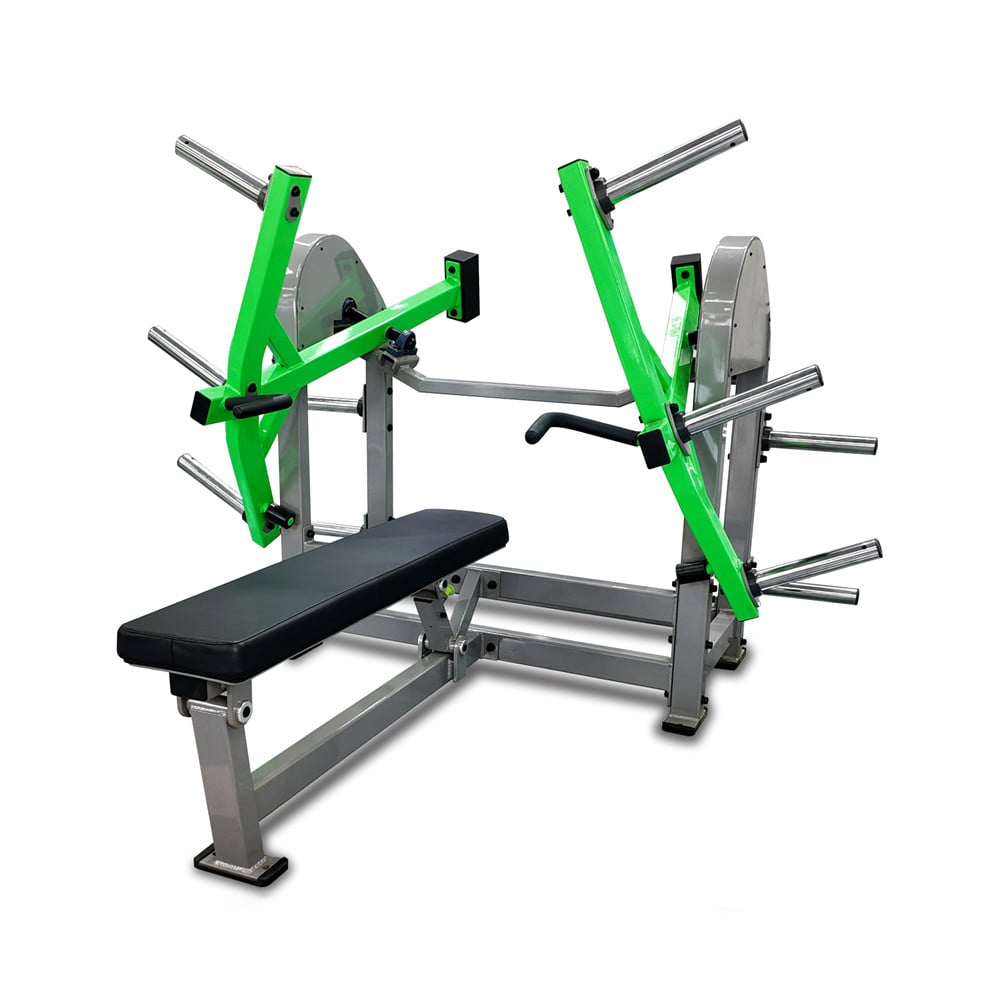
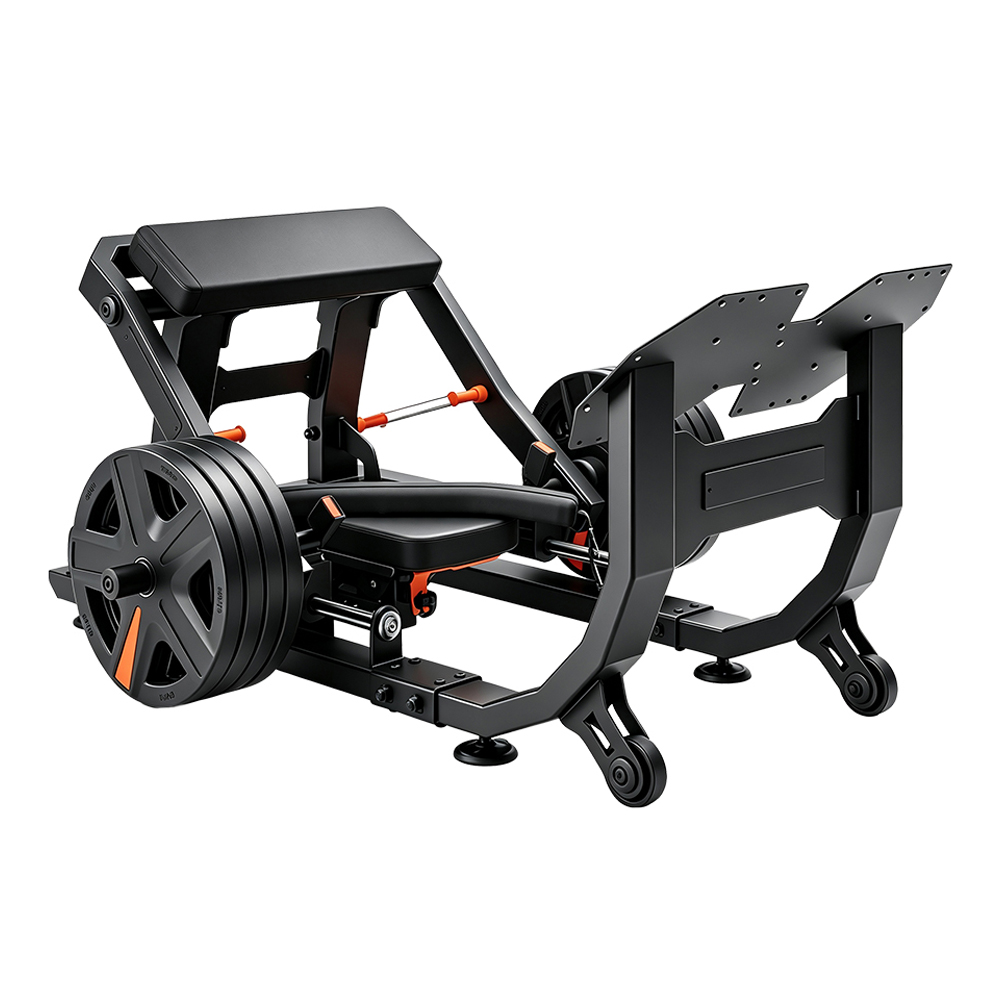
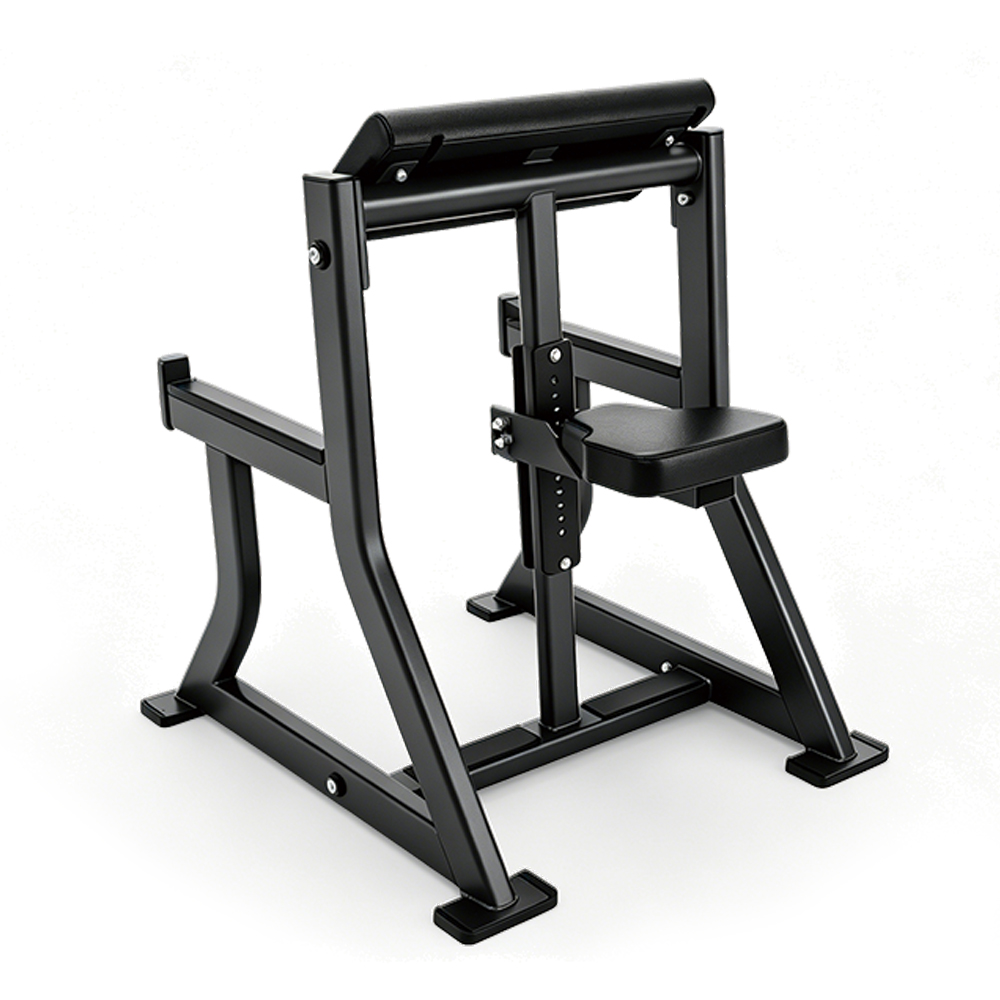
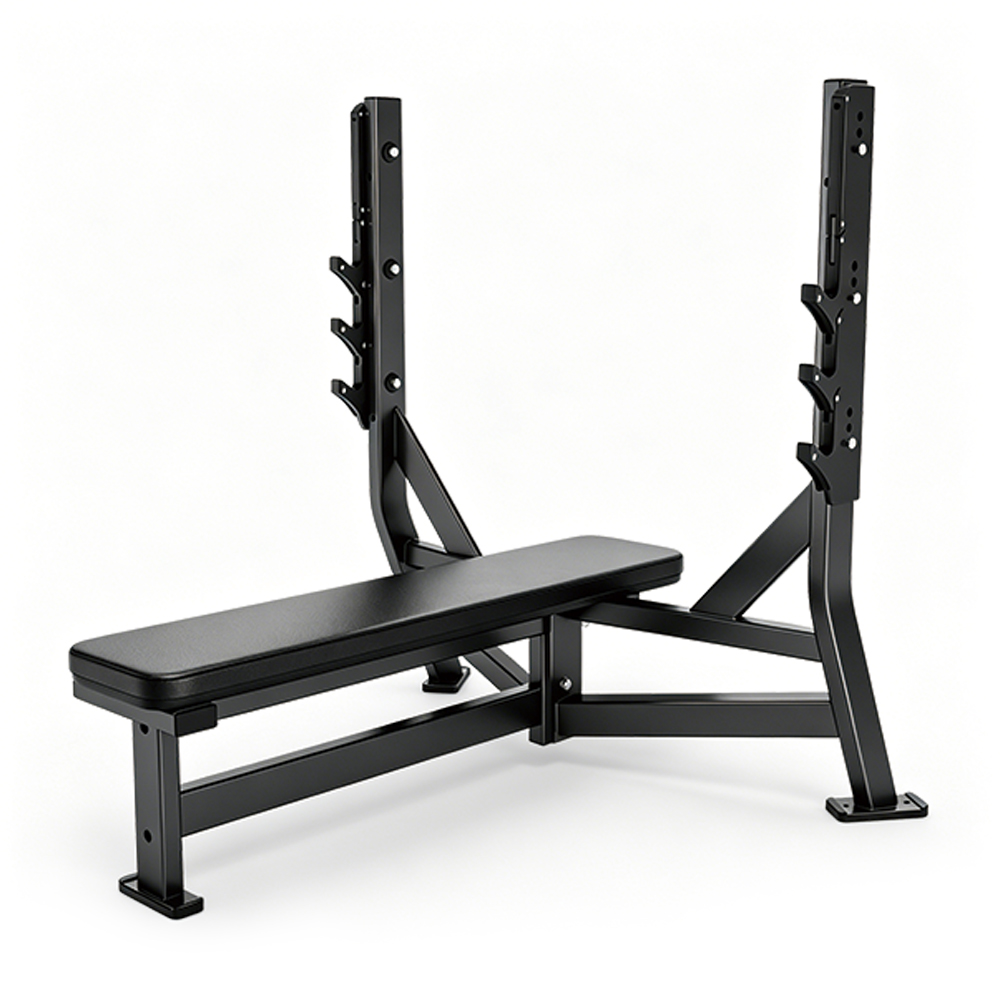
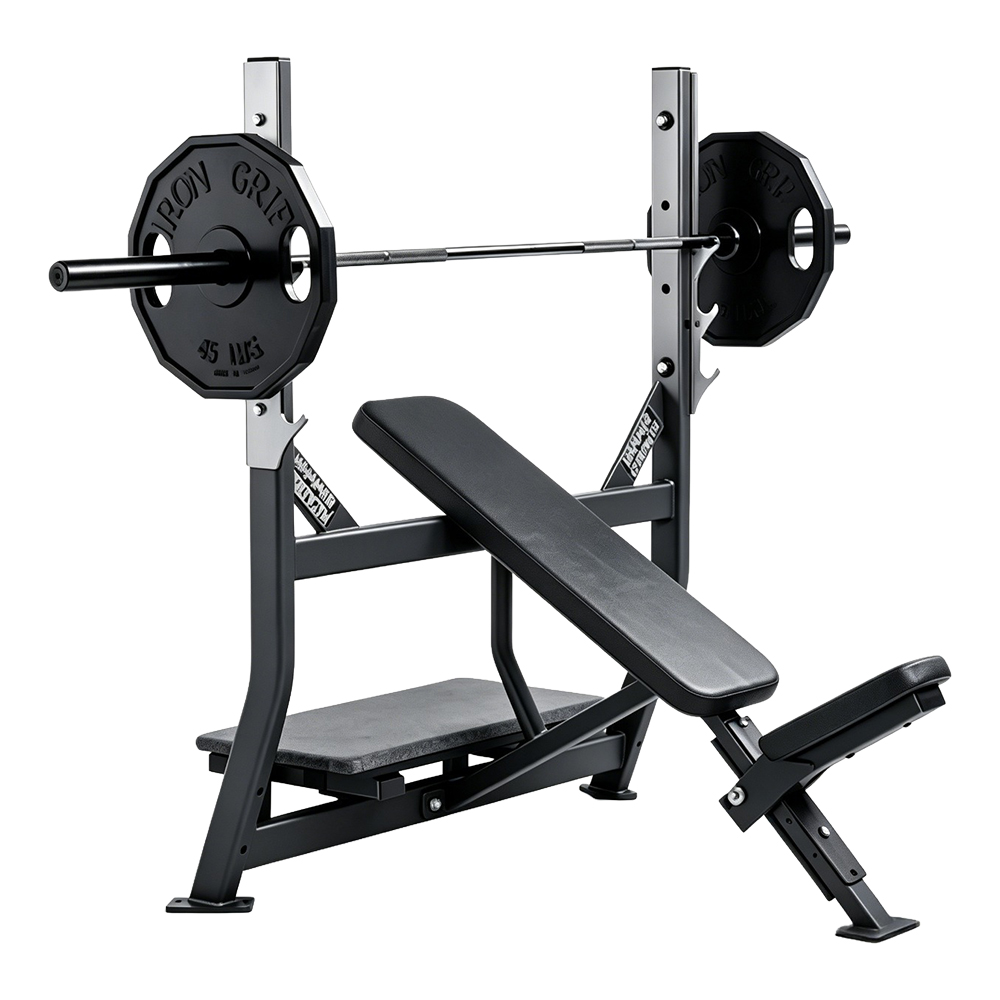
Essential Guide to Standing Calf Raise Machines

Kpeakfit, full-chain manufacturer with 10+ years & 90,000㎡ workshop.

Exhibit at IWF Shenzhen(H4A10) & WFF Shaoxing for global buyers.

Certified fitness gear, one-stop service for worldwide partners.

application/Standing-Calf-Raise-Machine, application/Standing-Calf-Raise-Machine, 
Inquiry
Inquiry

Standing Calf Raise Machine

The Standing Calf Raise Machine is an essential piece of fitness equipment designed to enhance calf muscle development through targeted exercise. For B2B buyers—such as purchasing managers, fitness center operators, and distributors—understanding the specifications, quality indicators, and supplier dynamics is crucial when considering this machine for commercial use. This article aims to provide practical insights into evaluating and selecting a Standing Calf Raise Machine, addressing common concerns for buyers and helping them make informed purchasing decisions.

How to Evaluate Quality in Standing Calf Raise Machines

How to Evaluate Quality in Standing Calf Raise Machines

Quality evaluation of Standing Calf Raise Machines involves several factors. Firstly, inspecting the manufacturing process is crucial. A reputable manufacturer like XiaoKe Fitness Technology Co., Ltd. utilizes advanced automated production lines, which can enhance precision and ensure consistent quality.

Secondly, quality control processes should be examined. Look for manufacturers that implement rigorous quality inspections at various production stages. Certifications, such as ISO standards, can also indicate a commitment to quality.

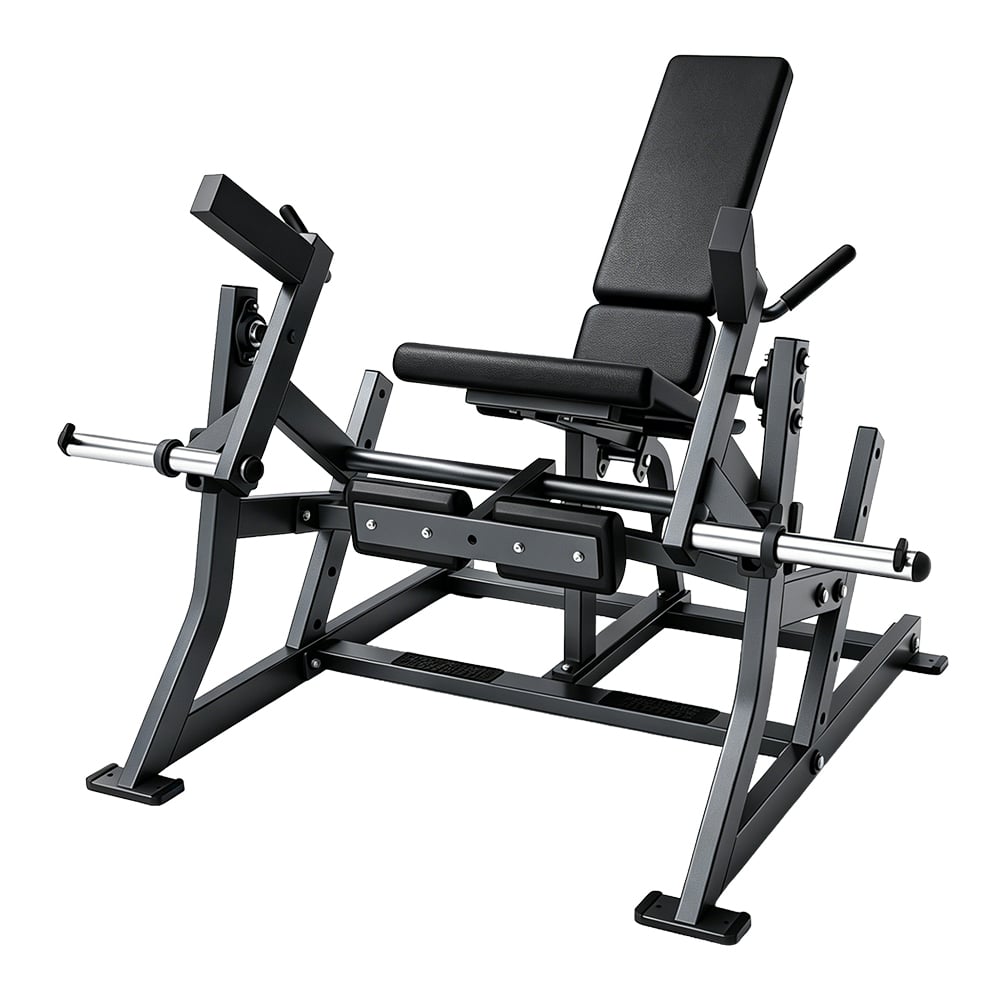
Materials used in construction play a significant role in the machine's longevity. High-quality steel frames, coupled with robust welds, are indicators of a well-made product. Buyers should also request samples or demonstrations to assess the machine's performance firsthand. For instance, the BM1015 Leg Press Machine is an example of quality construction that buyers can consider when evaluating options.

Lastly, customer feedback and reviews can provide valuable insights into the machine's durability and user satisfaction. Engaging with existing customers or reading product reviews can help buyers gauge the machine's reliability in real-world usage.

Choosing the Right Supplier for Standing Calf Raise Equipment

Choosing the Right Supplier for Standing Calf Raise Equipment

Selecting the right supplier for Standing Calf Raise Machines involves evaluating several criteria. Start with their manufacturing capabilities. A supplier with a large facility and advanced technology, like XiaoKe Fitness Technology Co., Ltd., is likely to produce high-quality machines efficiently.

Next, investigate their experience in the industry. A supplier with a strong track record in fitness equipment manufacturing is more likely to understand the nuances of quality and performance that buyers expect.

Additionally, consider their customization capabilities. Many buyers may require modifications to meet specific customer needs or branding. A responsive supplier that offers customizable options can add significant value.

Communication and support should also be evaluated. A supplier that is transparent about lead times, minimum order quantities (MOQ), and pricing structures will facilitate a smoother purchasing process. Finally, ensure they have a robust logistics network to handle shipping, especially if you're dealing with international markets.

Cost Factors to Consider When Purchasing Standing Calf Raise Machines

Cost Factors to Consider When Purchasing Standing Calf Raise Machines

Understanding the cost factors associated with Standing Calf Raise Machines is essential for effective budgeting. The primary cost drivers include the specifications of the machine, the materials used, and the manufacturer's reputation.

Customization options can also influence pricing. Machines designed to specific requirements or with unique features may incur additional costs. Buyers should clearly outline their requirements to obtain accurate quotations.

Shipping costs can vary significantly based on location, size, and weight of the equipment. Additionally, import tariffs and duties should be factored into the overall cost when sourcing from international suppliers.

Lastly, consider maintenance and warranty options. A higher upfront cost might be justifiable if it includes comprehensive support and warranties, as this can save money in the long run through reduced repair costs and increased machine longevity.

Common Problems with Standing Calf Raise Machines and Solutions

Buyers should be aware of common problems associated with Standing Calf Raise Machines to avoid potential pitfalls. One frequent issue is instability during use, which can arise from poor design or inadequate weight distribution. To mitigate this, ensure the machine has a broad base and a solid frame.

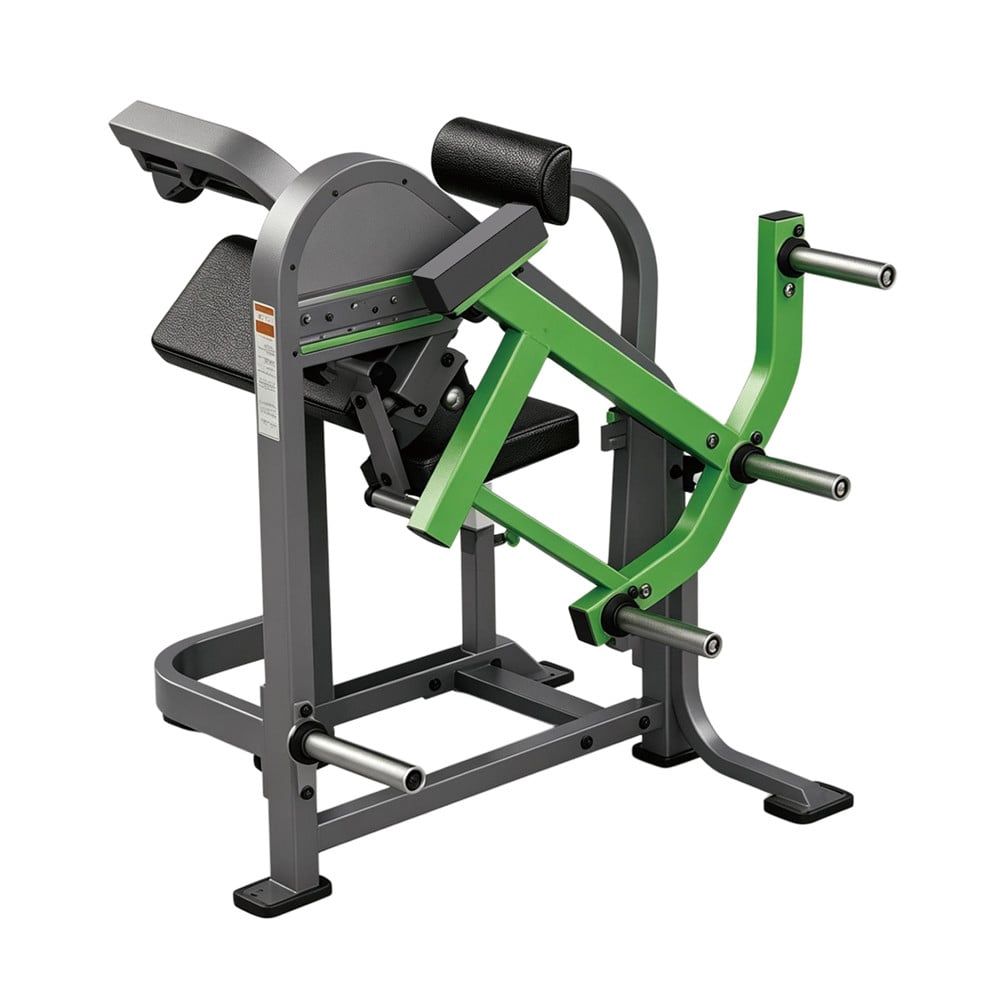
Another common concern is the wear of pads and grips. Over time, these components may deteriorate, affecting user comfort and safety. Buyers should inquire about the quality of materials used for these parts and consider suppliers that offer replaceable components, similar to those found in the BM1014 Abdominal Trainer.

Additionally, mechanical failures can occur, such as malfunctioning weight stacks or adjustment mechanisms. Regular maintenance checks and the availability of replacement parts from the supplier can help address these issues proactively.

Lastly, improper assembly can lead to operational problems. Buyers should ensure that installation instructions are clear and that the supplier offers support during the setup phase.

In summary, the Standing Calf Raise Machine is a pivotal asset for fitness facilities, and understanding its specifications, quality indicators, supplier options, cost factors, and common issues can significantly enhance the purchasing decision process. By approaching the selection with a keen understanding of these elements, buyers can ensure they invest in equipment that meets their operational needs and delivers value over time.

Understanding Specifications for the Standing Calf Raise Machine

When assessing a Standing Calf Raise Machine, several key specifications come into play. Firstly, the weight capacity is critical. Machines typically range from 300 to 1,000 pounds, and understanding the expected user load is essential for ensuring safety and durability.

Next, consider the dimensions of the machine. Proper dimensions are important for space utilization in a gym or fitness center. Common dimensions include a base width of around 40 inches and height of approximately 60 inches. Additionally, the design should accommodate users of varying heights, which often means adjustable footrests or platforms.

Material selection is also vital. Machines made from high-grade steel offer durability and stability, while those with powder-coated finishes provide resistance to wear and corrosion. This is particularly important for equipment exposed to heavy use in commercial settings. For example, the BD1005 Hip Push Trainer showcases high-grade materials that ensure longevity.

Finally, the machine's features, such as padded support and adjustable settings, greatly influence user experience and satisfaction. These specifications not only impact the machine's functionality but also contribute to overall safety and comfort during workouts.

Get a Free Quote

Our representative will contact you soon.
0/1000