Choosing the Right Glute and Hamstring Machine

Kpeakfit, full-chain manufacturer with 10+ years & 90,000㎡ workshop.

Exhibit at IWF Shenzhen(H4A10) & WFF Shaoxing for global buyers.

Certified fitness gear, one-stop service for worldwide partners.

application/glute-and-hamstring-machine, application/glute-and-hamstring-machine, 
Inquiry
Inquiry

glute and hamstring machine

Choosing the right glute and hamstring machine is crucial for fitness facilities aiming to enhance their strength training offerings. These specialized machines target the glute and hamstring muscles, essential for athletic performance and injury prevention. B2B buyers, such as purchasing managers and fitness facility operators, often seek information on product specifications, cost factors, and potential challenges associated with these machines. This article will guide you through the essential considerations to help you make an informed decision when selecting a glute and hamstring machine for your facility.

Key Specifications to Evaluate in Glute and Hamstring Equipmen

Key Specifications to Evaluate in Glute and Hamstring Equipmen

Understanding the key specifications of glute and hamstring machines can significantly impact purchasing decisions. Important aspects to consider include:

Weight Capacity: Ensure the machine can handle the maximum weight expected from your users. A higher weight capacity often correlates with sturdier construction and better performance.

Frame Material: Most machines are constructed from steel or aluminum, which offer different levels of durability and stability. Steel frames are typically more robust and suitable for high-traffic gyms.

Padding and Upholstery: Quality padding improves user comfort and can affect the machine’s longevity. Look for materials that are easy to clean and resistant to wear.

Range of Motion: The machine should allow for a full range of motion to engage the target muscles effectively. This is crucial for maximizing the benefits of each exercise.

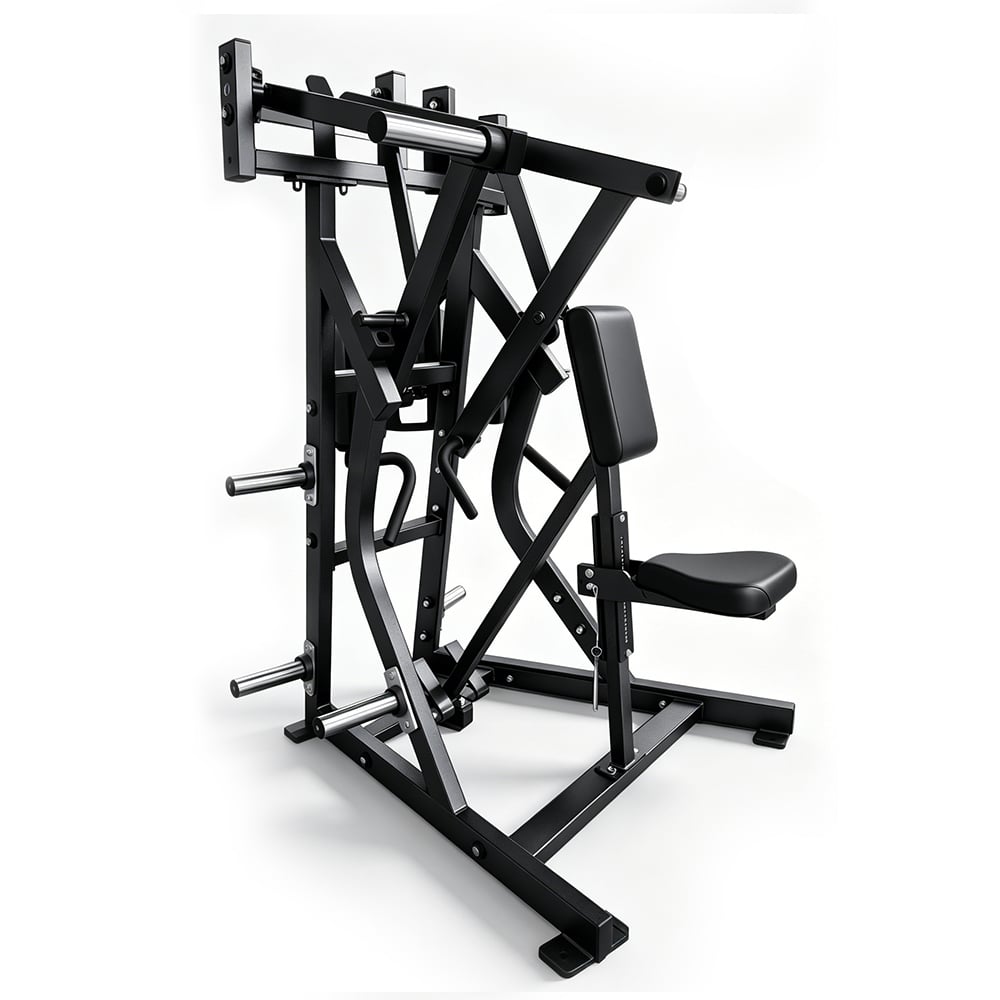
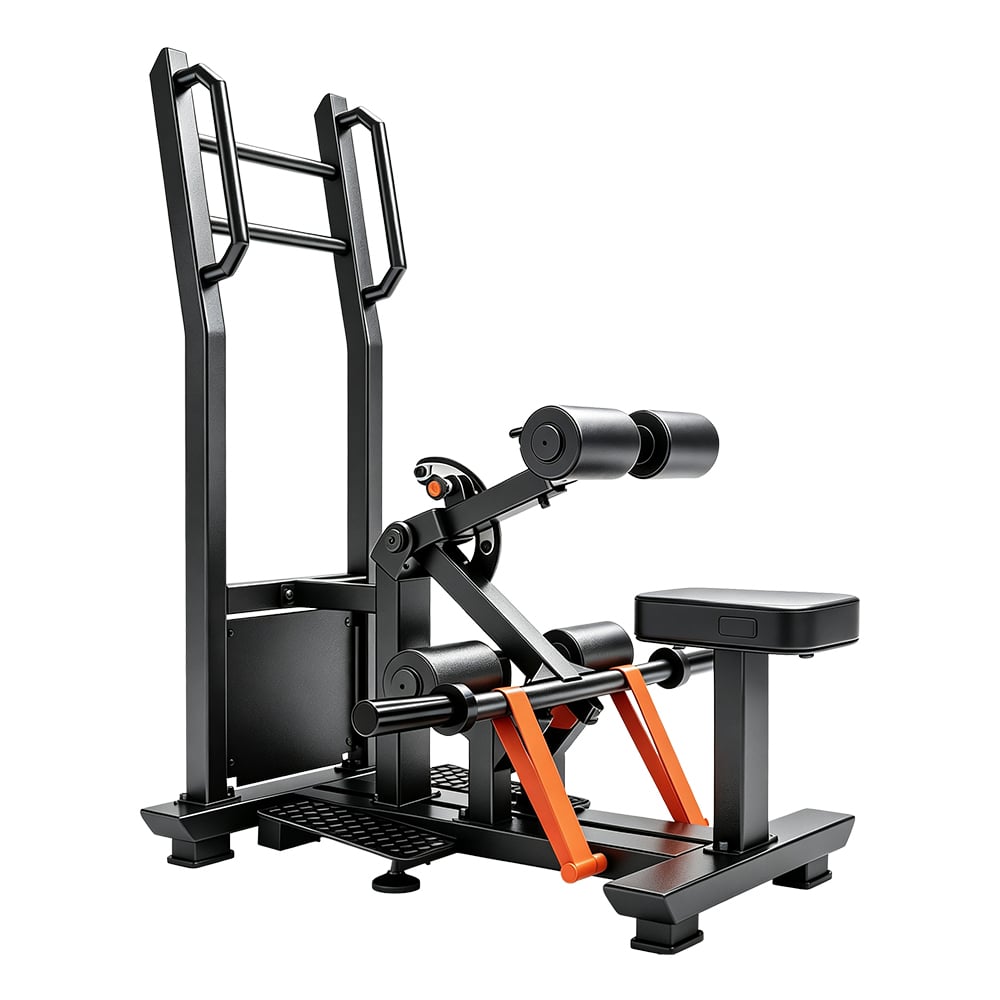
Adjustability: Features such as adjustable seat heights, foot positions, and handles can greatly enhance the machine's versatility and user experience. For example, consider the BD1001 Standing Hip Thruster, which offers excellent adjustability.

By reviewing these specifications, buyers can ensure that they select a machine that not only meets the immediate needs of their facility but also supports long-term user satisfaction.

Understanding the Cost Factors of Glute and Hamstring Machines

Understanding the Cost Factors of Glute and Hamstring Machines

The cost of glute and hamstring machines can vary widely based on several factors. First, the type of machine—whether it’s a standalone unit or part of a multi-station system—will impact pricing. Standalone machines generally offer specialized features and may come at a higher price point.

Second, the quality of materials and construction plays a significant role in determining the cost. Machines made with high-grade steel, premium upholstery, and advanced technology will typically be priced higher but offer enhanced durability and user experience, making them a worthwhile investment.

Additionally, consider the total cost of ownership, which includes maintenance, warranties, and potential repairs. A machine with a robust warranty may carry a higher upfront cost but can save money in the long run by reducing maintenance expenses.

Lastly, quantity discounts may be available for bulk purchases, which can significantly lower the unit cost. Discussing your needs with suppliers can uncover potential savings and help you plan your budget effectively.

Common Problems with Glute and Hamstring Machines and Solutions

Common Problems with Glute and Hamstring Machines and Solutions

While glute and hamstring machines are essential for any fitness facility, they can come with specific challenges. Common problems include:

Misalignment: If the machine is not properly aligned, it can lead to discomfort or ineffective workouts. Regular maintenance checks can help ensure everything remains aligned and functioning correctly.

Wear and Tear: High-usage machines may experience wear on pads or moving parts. Implementing a scheduled maintenance routine can help address these issues before they become problematic.

User Discomfort: Some users may find the machine uncomfortable due to poor padding or incorrect settings. Encouraging users to adjust the machine to their specific needs can enhance their experience.

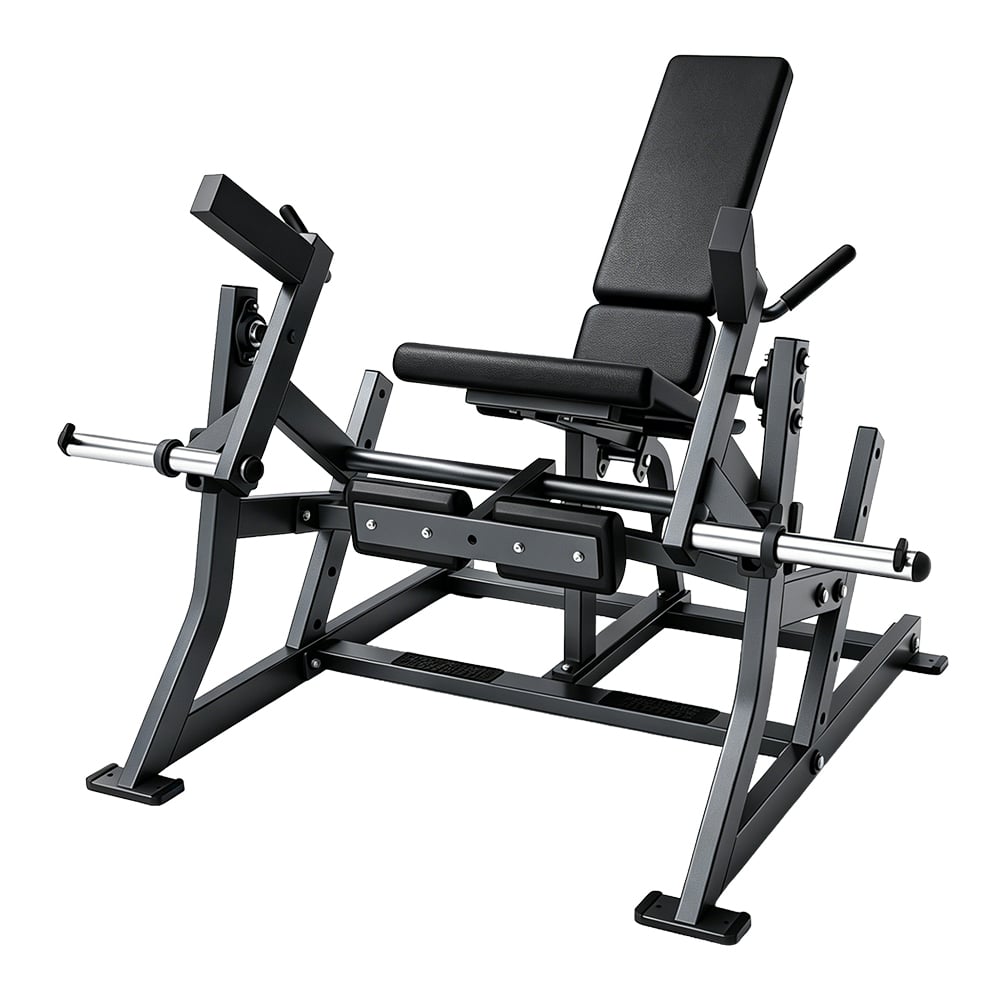
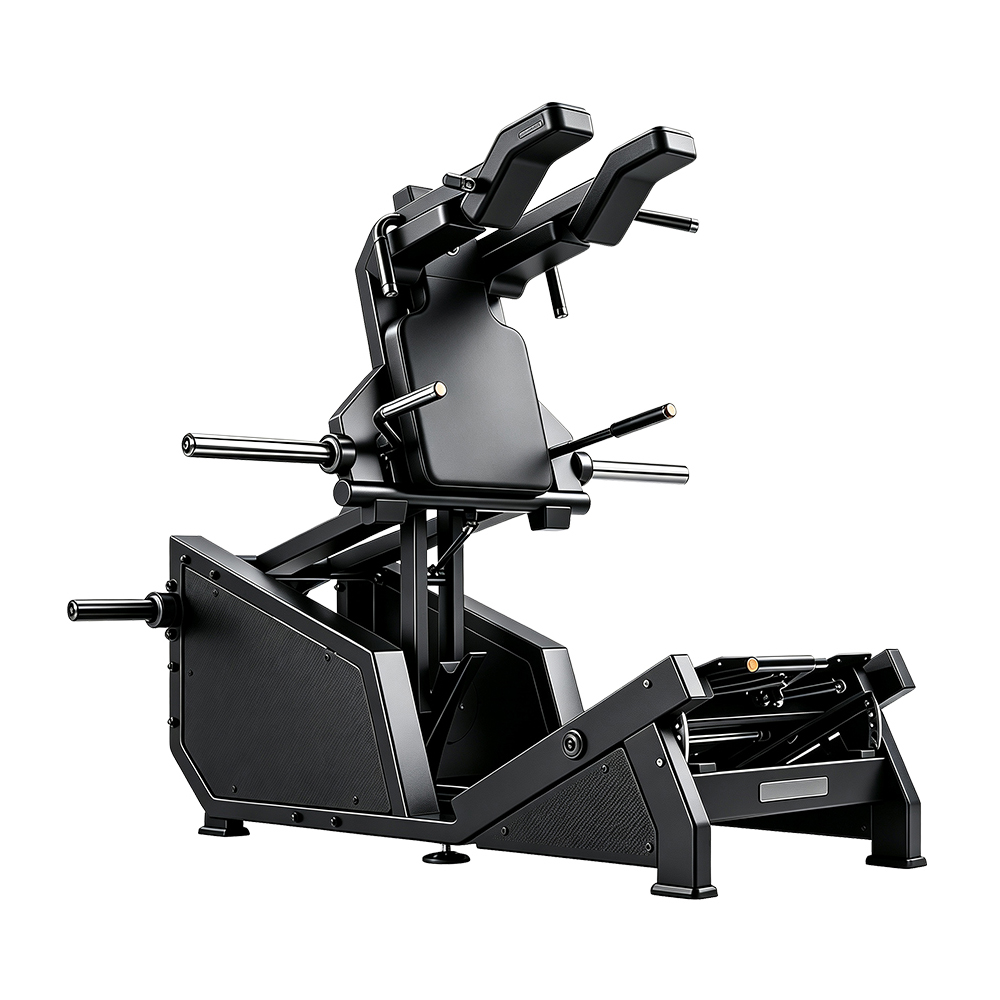
Limited Versatility: Many buyers find that some machines are too specialized, limiting their use. Investing in adjustable or multifunctional machines can mitigate this issue, allowing for a wider range of exercises. Consider machines like the BD1004 Hack Squat Trainer that can offer more versatility.

Understanding these potential issues and their solutions can help buyers make informed decisions and ensure a positive user experience.

Applications of Glute and Hamstring Machines in Fitness Facilities

Glute and hamstring machines serve multiple applications in fitness facilities, making them valuable assets. They are commonly used for:

Strength Training: These machines are crucial for developing lower body strength, which is essential for athletes and fitness enthusiasts alike. They help in building muscle mass and improving overall performance.

Rehabilitation: Many fitness facilities incorporate these machines into rehabilitation programs for clients recovering from injuries. Targeted strength training can help rebuild muscle strength and stability.

Functional Training: They can be integrated into functional training routines, which focus on movements that mimic everyday activities. This application is beneficial for clients seeking to improve their overall fitness and functionality.

Group Classes: Many gyms offer classes focusing on lower body strength, where glute and hamstring machines can be utilized. This not only enhances the class experience but also attracts a diverse clientele.

By recognizing these applications, purchasing managers can better understand how to position these machines within their offerings, ultimately leading to increased user engagement and satisfaction.

Investing in the right glute and hamstring machine is a strategic decision for any fitness facility. Understanding the intricacies of selection, specifications, costs, and applications will empower B2B buyers to make choices that align with their operational goals and client expectations.

Choosing the Right Glute and Hamstring Machine for Your Needs

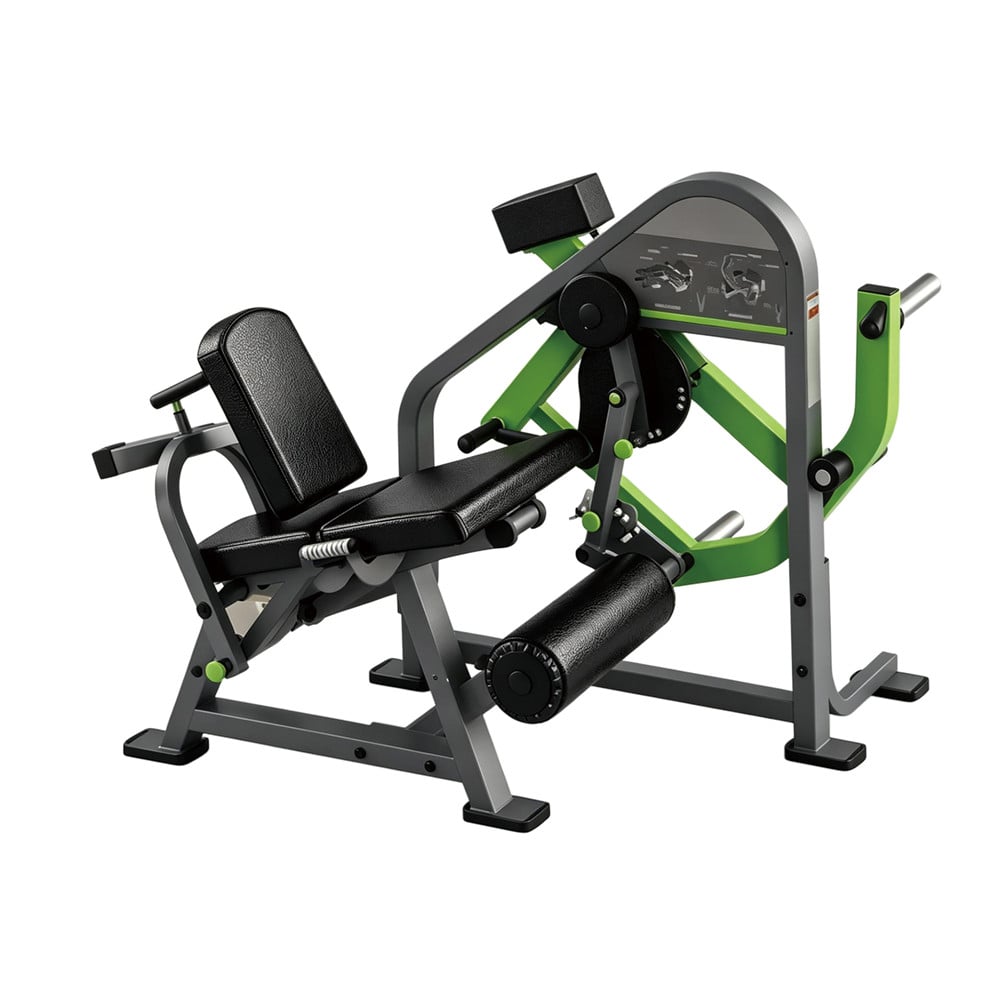
When selecting a glute and hamstring machine, consider the specific needs of your facility and clientele. Key factors include the machine's design, user interface, and the exercises it supports. For example, some machines are designed for isolation workouts, focusing solely on glutes or hamstrings, while others offer multifunctional capabilities for complete lower body training. You might explore options like the BD1005 Hip Push Trainer that provides unique training benefits.

Assess the space available in your facility and the expected usage frequency. Compact designs are ideal for smaller gyms, while larger facilities may benefit from machines that accommodate multiple users at once. Additionally, evaluate the machine's adjustability features to ensure it meets the diverse needs of your clientele. A machine that can easily adjust to different body sizes and fitness levels will enhance user satisfaction and encourage repeat use.

Frequently Asked Questions

What is the glute and hamstring machine designed for?

This machine targets glute and hamstring muscles for strength, hypertrophy, and rehab using adjustable resistance and ergonomic support for safe, effective training.
Manufactured in our 90,000 m² facility with advanced automated lines, it uses high-strength steel, durable padding, and precision fittings to ensure stable, long-lasting performance.
Yes. Built for high-precision manufacturing and stable quality, it withstands frequent commercial use and meets requirements of busy fitness centers.
Yes. It features adjustable range of motion, resistance levels, and seating positions to accommodate various body sizes and training needs.
We provide technical support, user manuals, and warranty coverage. Contact our sales team for specific warranty period and post-sale service details.

Get a Free Quote

Our representative will contact you soon.
0/1000