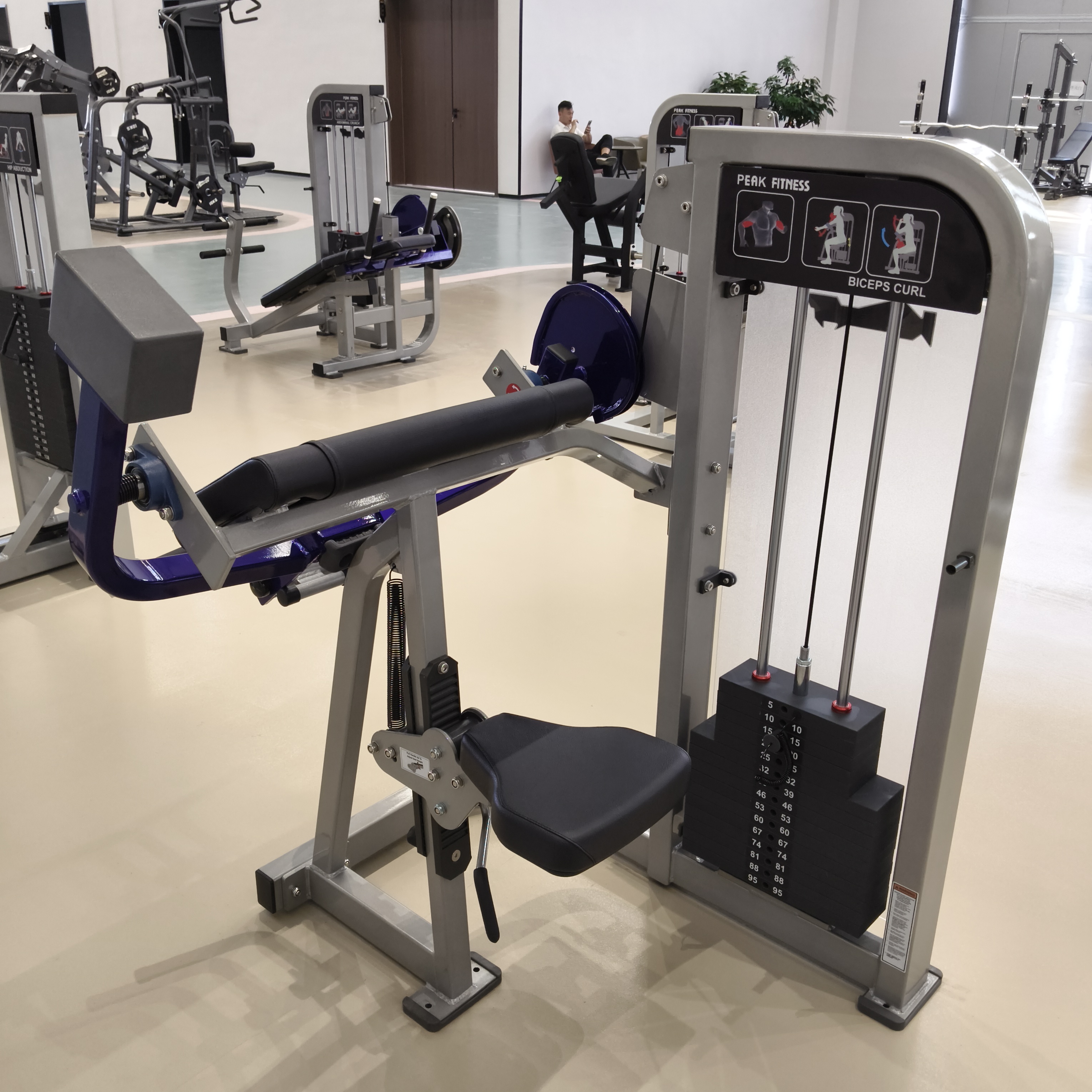
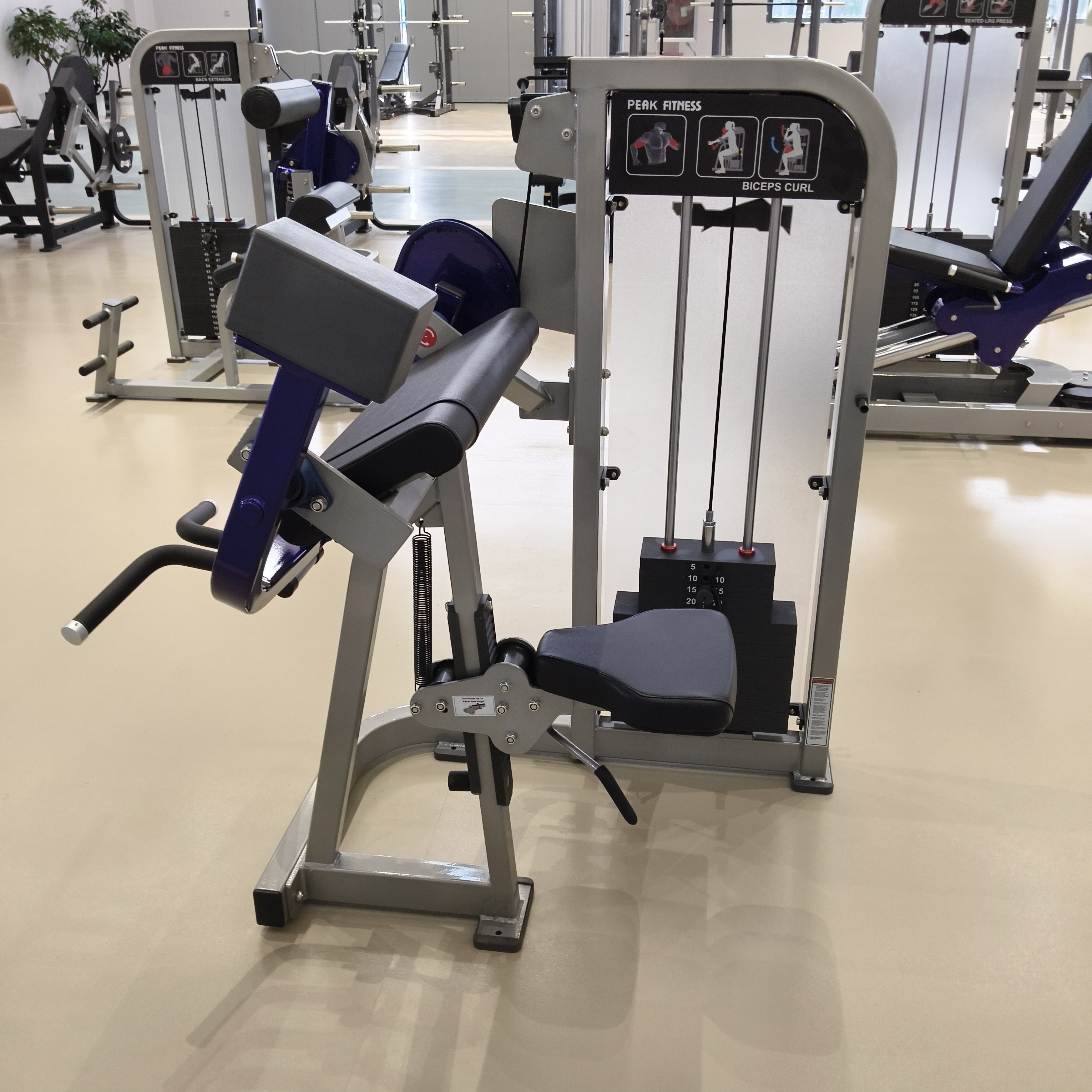
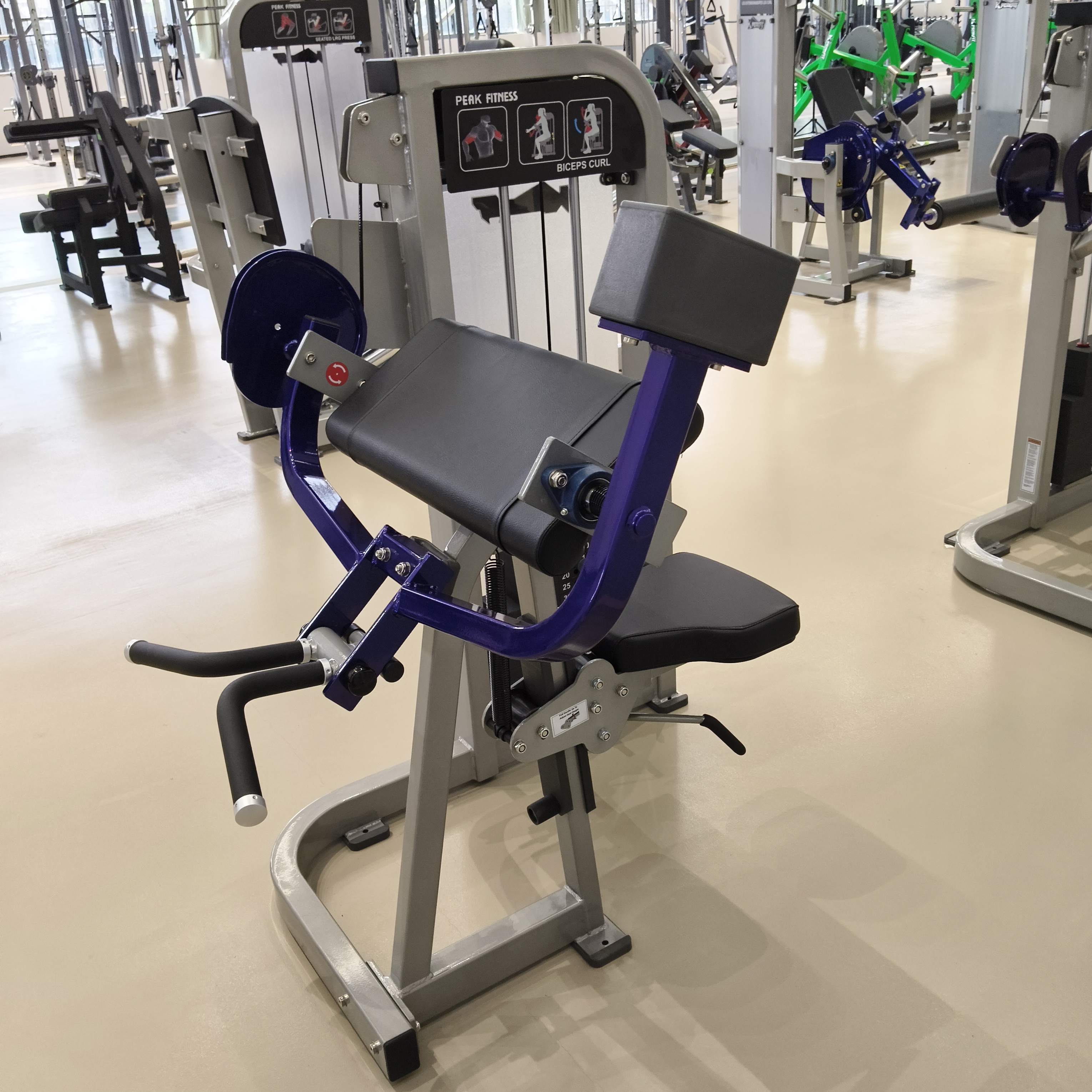
Lateral Low Row Machine: Specifications and Buying Guide

Kpeakfit, full-chain manufacturer with 10+ years & 90,000㎡ workshop.

Exhibit at IWF Shenzhen(H4A10) & WFF Shaoxing for global buyers.

Certified fitness gear, one-stop service for worldwide partners.

application/lateral-low-row-machine, application/lateral-low-row-machine, 
Inquiry
Inquiry

lateral low row machine

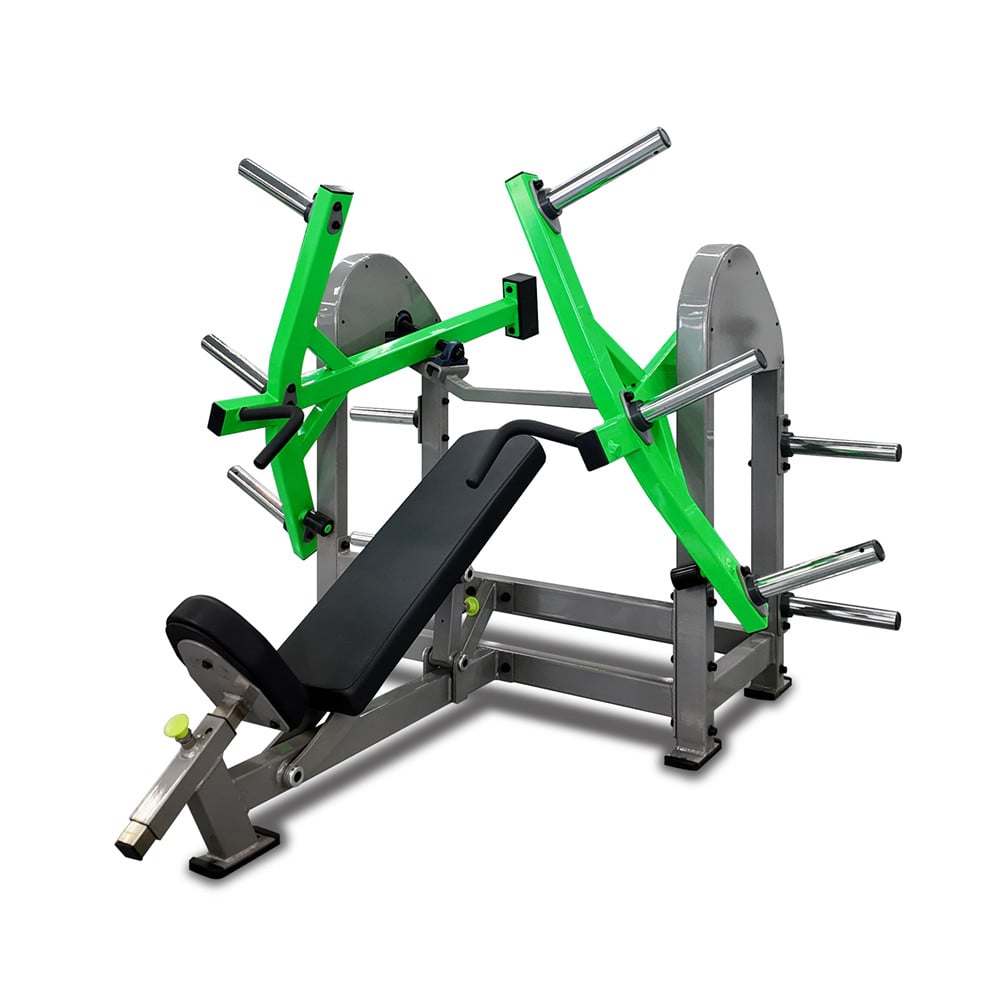
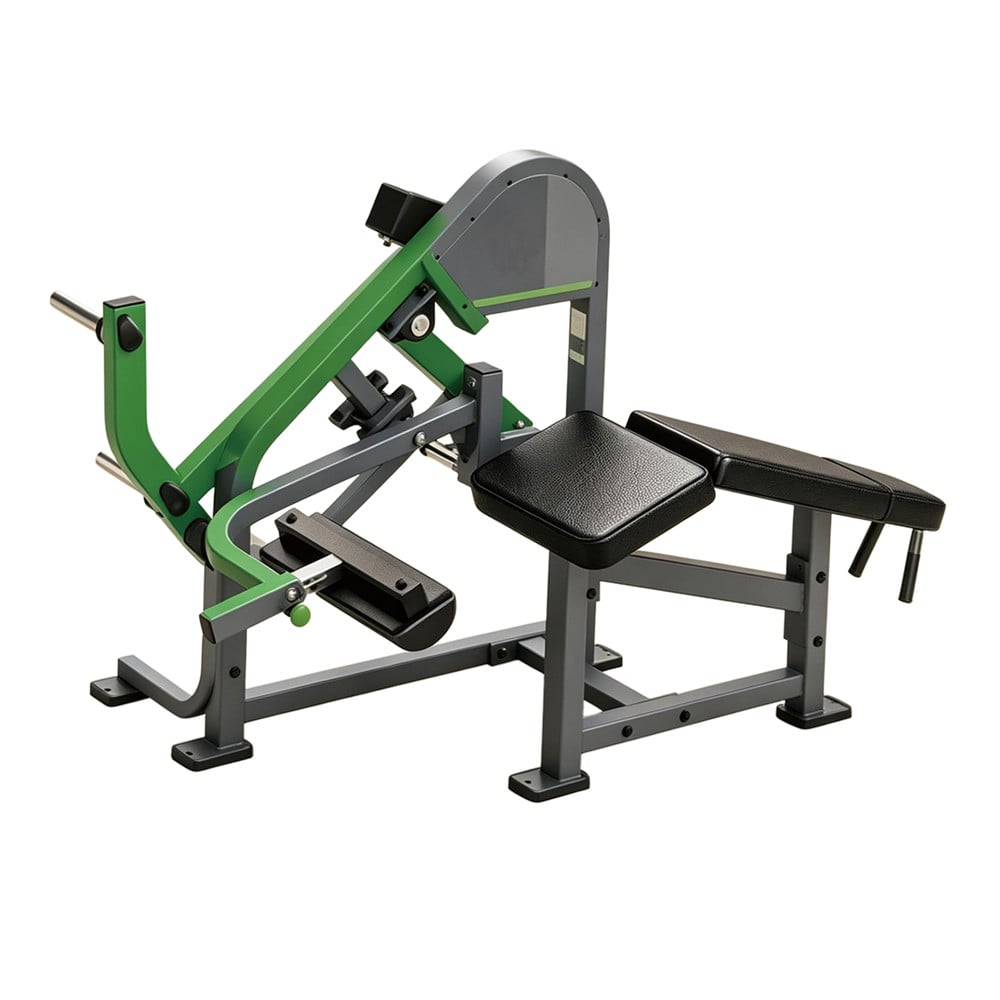
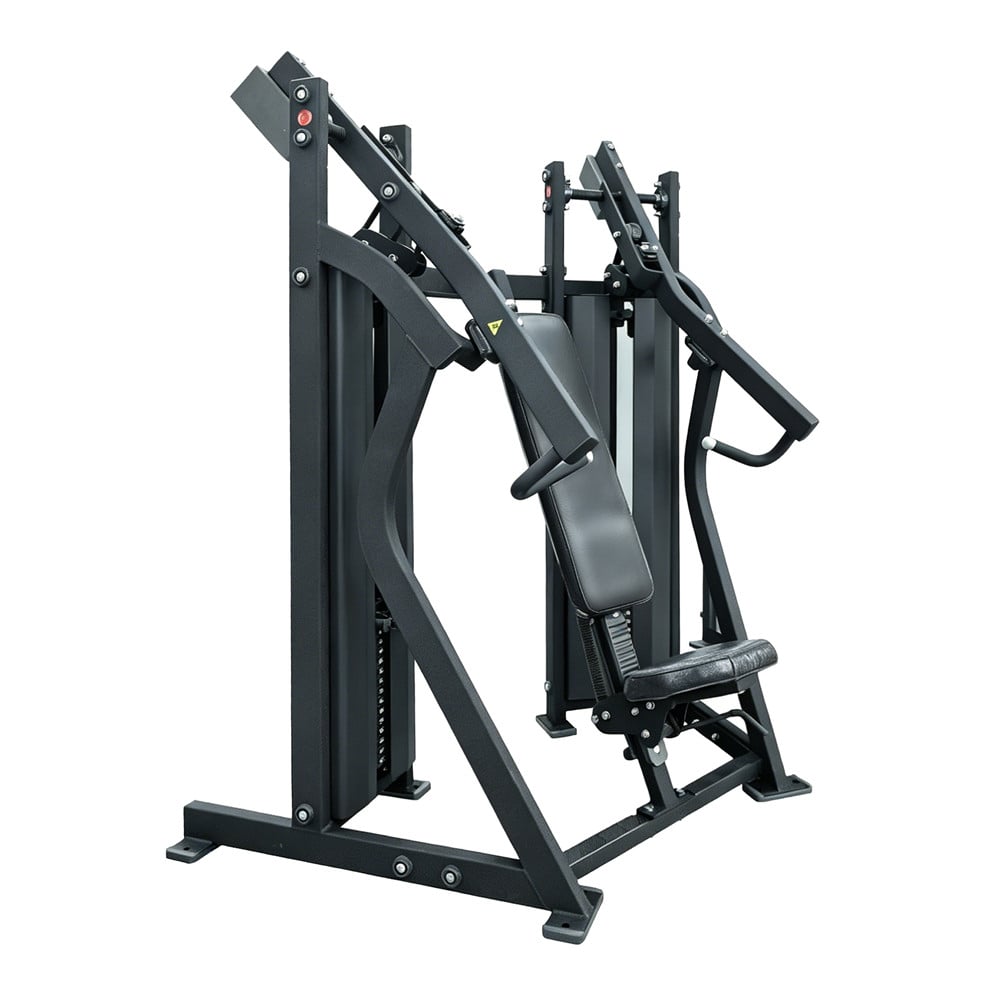
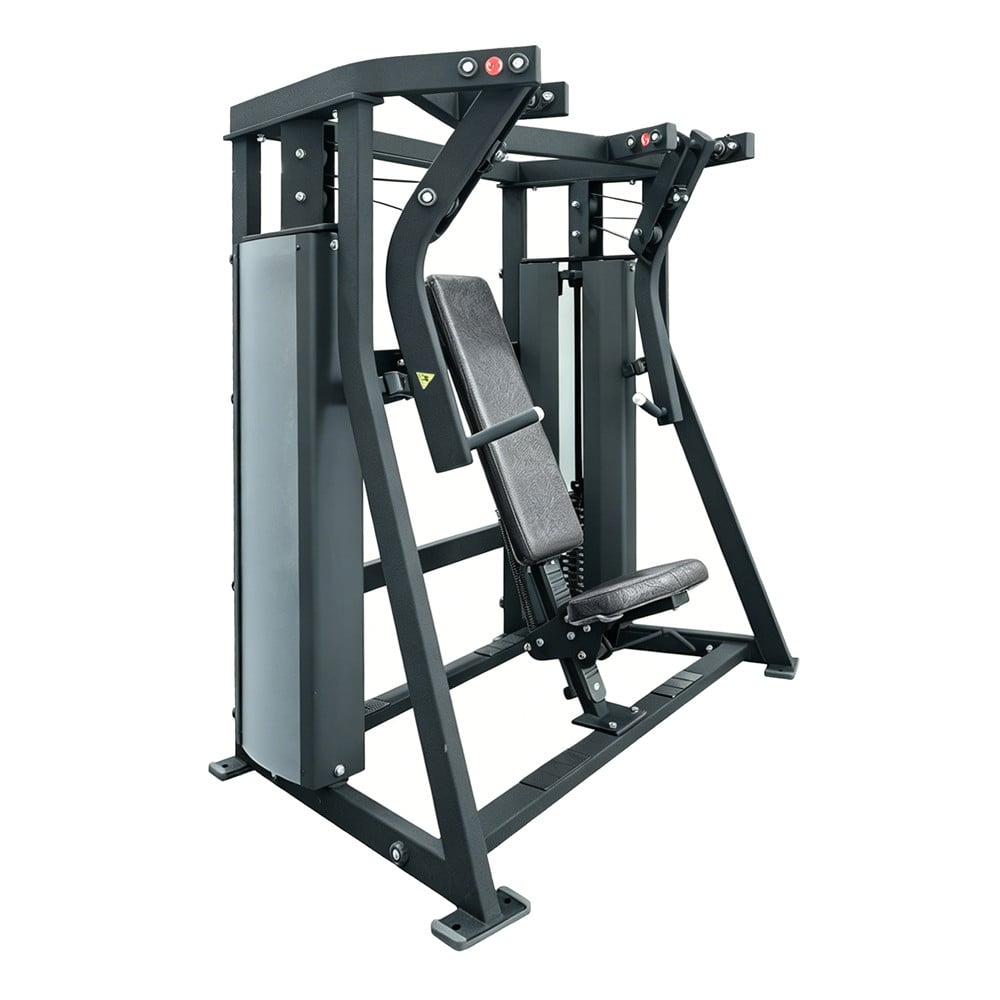
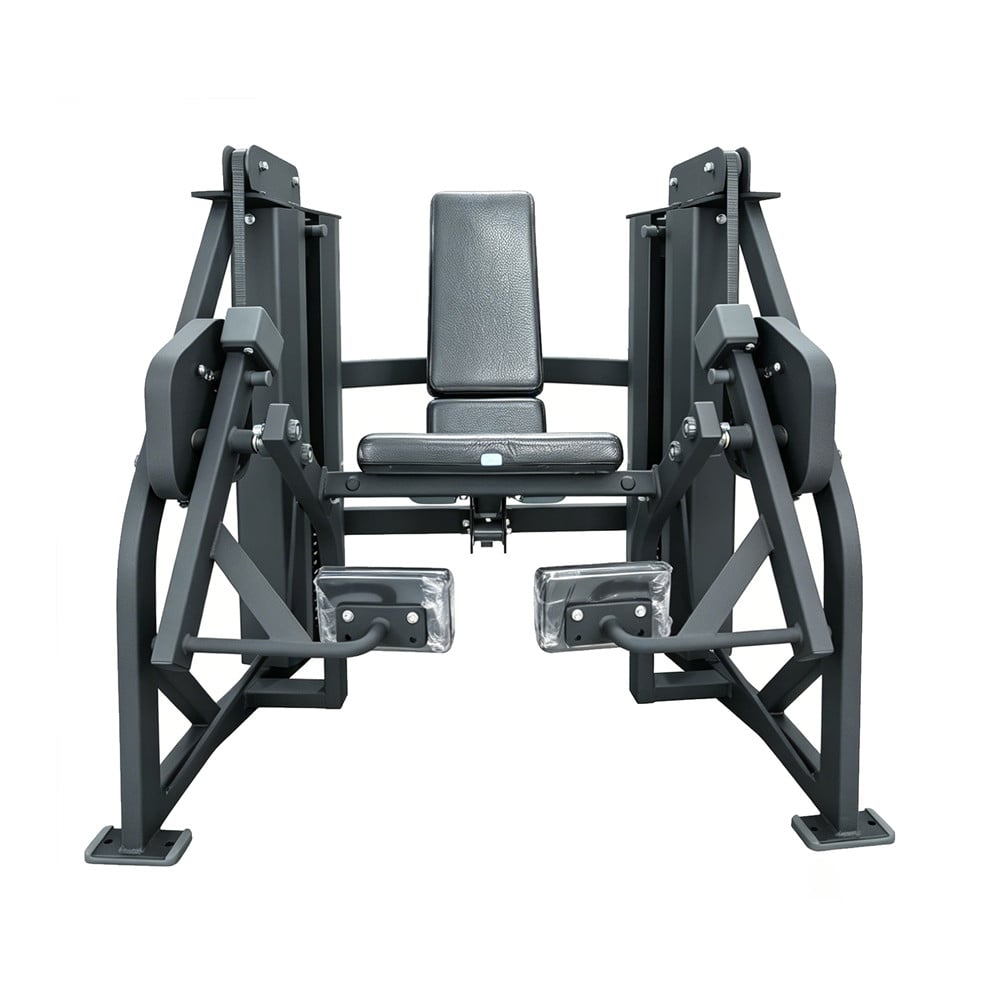
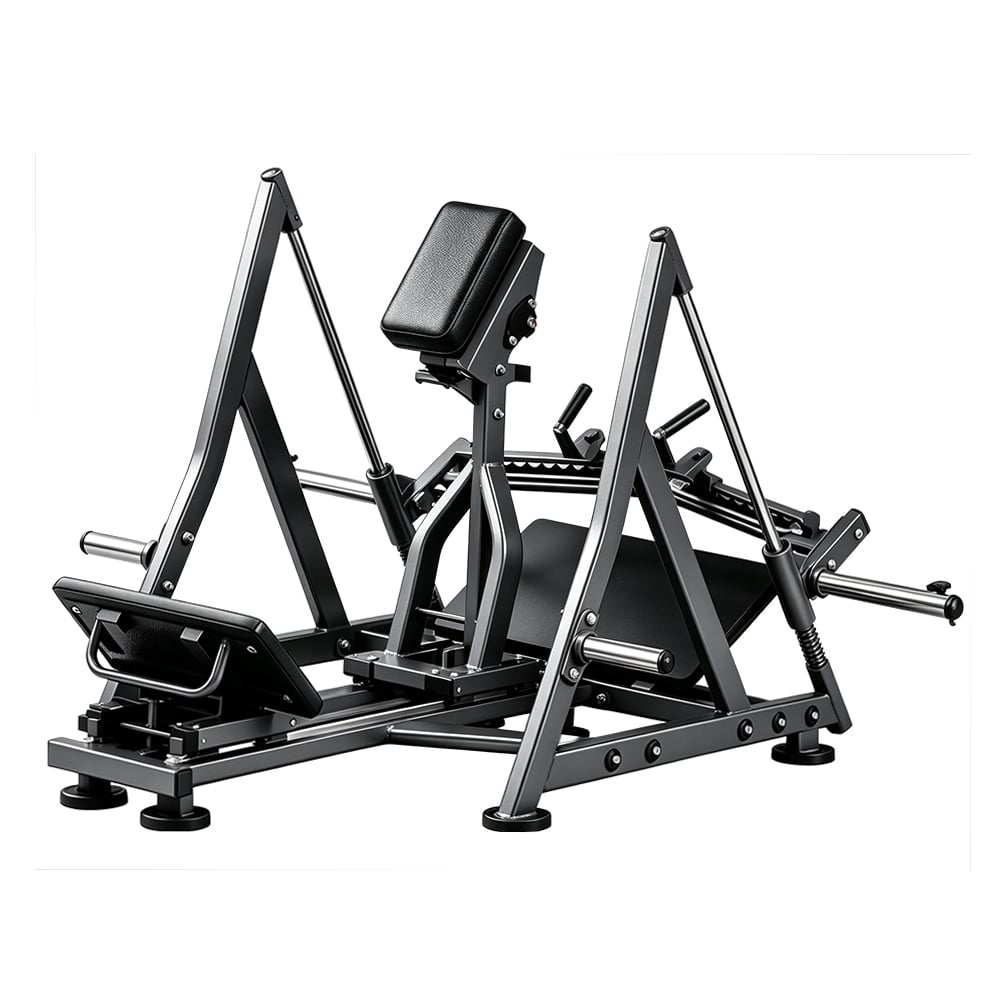
Lateral low row machines are essential tools in fitness facilities, designed to target the back muscles, improve posture, and enhance overall upper body strength. For B2B buyers such as purchasing managers, gym owners, and fitness equipment distributors, understanding the specifications and applications of these machines is crucial for making informed purchasing decisions. This article will explore key specifications of lateral low row machines, where to buy them in bulk, their applications in fitness settings, cost factors to consider, and installation guidance to ensure optimal use.

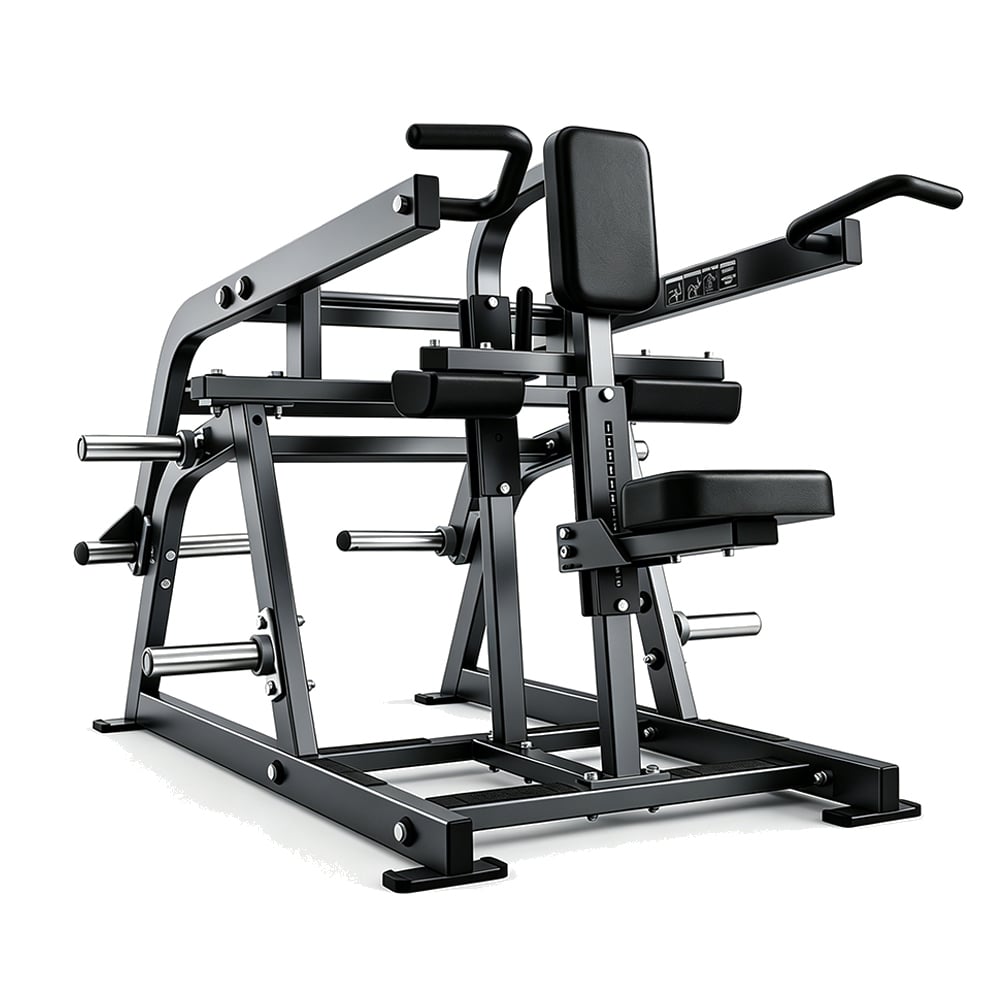
Where to Buy Lateral Low Row Machines in Bulk for Your Business

Where to Buy Lateral Low Row Machines in Bulk for Your Business

Purchasing lateral low row machines in bulk can be strategically beneficial for businesses looking to equip fitness facilities or retail gym equipment. Suppliers such as XiaoKe Fitness Technology Co., Ltd. offer options for bulk purchasing directly from manufacturers, which can lead to cost savings and streamlined logistics.

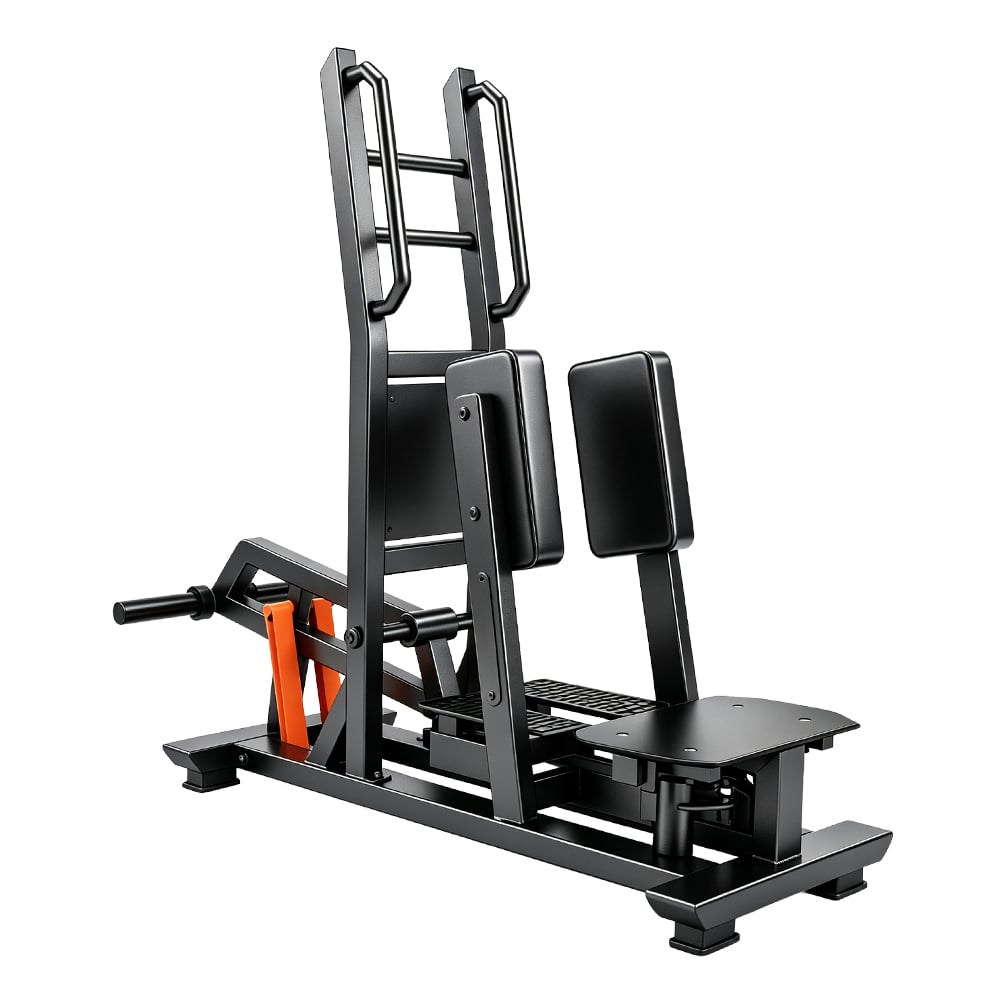
To find reliable suppliers, consider industry trade shows, online marketplaces, or manufacturer directories. When evaluating potential suppliers, assess their production capabilities, lead times, and customer service. Requesting samples or visiting the manufacturing facility can provide insight into quality control processes and overall reliability. Additionally, consider sourcing other essential equipment like the BD1001 Standing Hip Thruster to enhance your offerings.

Establishing clear communication about your specific needs, including order quantity, customization options, and delivery timelines, will facilitate a smoother purchasing process. Additionally, consider the manufacturer's experience in exporting to your region, as this can impact shipping logistics and compliance with local regulations.

Key Applications for Lateral Low Row Machines in Fitness Facilities

Key Applications for Lateral Low Row Machines in Fitness Facilities

Lateral low row machines serve a variety of applications in fitness facilities, primarily focusing on strength training for the back, shoulders, and arms. They are particularly beneficial for users aiming to improve posture, enhance pull strength, or rehabilitate from back injuries.

In commercial gyms, these machines can be marketed to both novice users and experienced athletes, offering a low-impact option for back workouts. Personal trainers often recommend lateral low row machines for their versatility, as they can accommodate different workout styles, including circuit training and strength conditioning.

For rehabilitation centers, these machines provide a controlled environment for patients recovering from injuries. The adjustable features allow for tailored resistance levels, ensuring safety during exercises. Understanding these applications can help businesses determine how to position lateral low row machines in their offerings to meet diverse customer needs.

Understanding the Cost Factors of Lateral Low Row Machines

Understanding the Cost Factors of Lateral Low Row Machines

The cost of lateral low row machines is influenced by several factors, including materials, manufacturing processes, and additional features. Typically, machines made from higher-quality materials, such as commercial-grade steel and reinforced upholstery, will command a higher price.

Customization options can also impact costs. Machines designed to meet specific branding requirements or unique functionality will involve additional design and production expenses. Buyers should assess whether these custom features align with their customer base and if they justify the price increase.

Furthermore, economies of scale play a significant role in pricing. Ordering in bulk can lead to discounts, thus reducing the overall cost per unit. It’s essential to consider shipping expenses and potential import duties when evaluating total costs, especially for international purchases. Understanding these factors will enable buyers to budget effectively and negotiate better terms with suppliers.

Installation Guidance for Your Lateral Low Row Machine Purchase

Proper installation of lateral low row machines is crucial for ensuring safety and optimal performance in fitness facilities. Before installation, review the manufacturer's guidelines, which typically include specific requirements for space, electrical needs, and floor stability.

Ensure that the installation area is free of any obstructions and has adequate lighting. It's advisable to have at least two feet of clearance around the machine for user comfort and safety. If the machine requires anchoring, assess the flooring type to determine the best method for secure installation.

Buyers should consider professional installation services, especially for larger or more complex machines. This not only guarantees safety but also adheres to warranty requirements. After installation, conducting a thorough inspection of the machine's functionality and safety features is essential. This includes checking for any loose bolts, ensuring smooth operation of adjustable parts, and verifying weight capacity tests before the machine is made available for use.

By following these guidelines, businesses can effectively equip their facilities with lateral low row machines that enhance user experience and meet safety standards.

Comparing Specifications of Leading Lateral Low Row Machines

When evaluating lateral low row machines, buyers should focus on several key specifications, including dimensions, weight capacity, materials, and functionality. The standard dimensions usually range between 70 to 80 inches in length and 30 to 40 inches in width to accommodate various gym spaces. Weight capacity is critical; most machines support between 300 to 600 pounds, which is essential for accommodating a wide range of users.

The materials used in construction affect durability and performance. High-grade steel is commonly used for the frame, ensuring stability during use. Upholstery should be made from durable, easy-to-clean materials, such as vinyl or synthetic leather, to withstand heavy use while maintaining aesthetic appeal.

Functionality features, such as adjustable seat height and resistance settings, are also vital. Machines with multiple grip options can enhance user experience by allowing for variations in training. Buyers should evaluate how these specifications align with their customer needs to ensure the selected machines provide value in a competitive market. For example, options like the BD1004 Hack Squat Trainer can complement the functionality of lateral low row machines by offering diverse workout possibilities.

Frequently Asked Questions

What is the lateral low row machine used for?

The lateral low row machine targets back, lats, and rear delts for strength and posture improvement through controlled rowing motions.
Features include heavy-duty frame, adjustable seat, ergonomic grips, 1:1 pulley ratio, and weight stack or plate-loaded options. Exact specs available on request.
We offer assembly guidance and optional installation services. Factory-tested units are shipped with manuals and hardware for quick setup.
Products come with a manufacturer warranty covering structural defects. Built in our automated facility to ensure high-precision manufacturing and stable quality.
Yes. We provide customization for colors, upholstery, attachments, and branding to meet commercial gym requirements. Contact sales for MOQ and lead times.

Get a Free Quote

Our representative will contact you soon.
0/1000