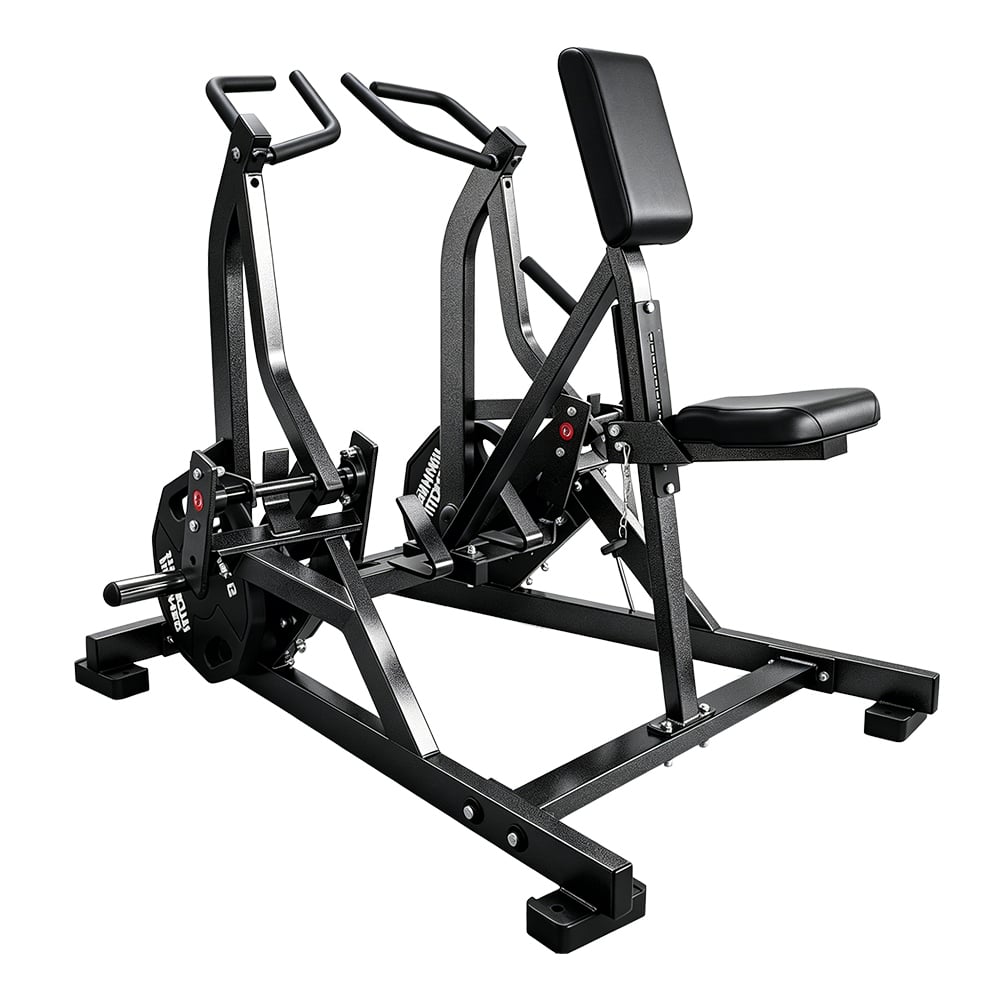
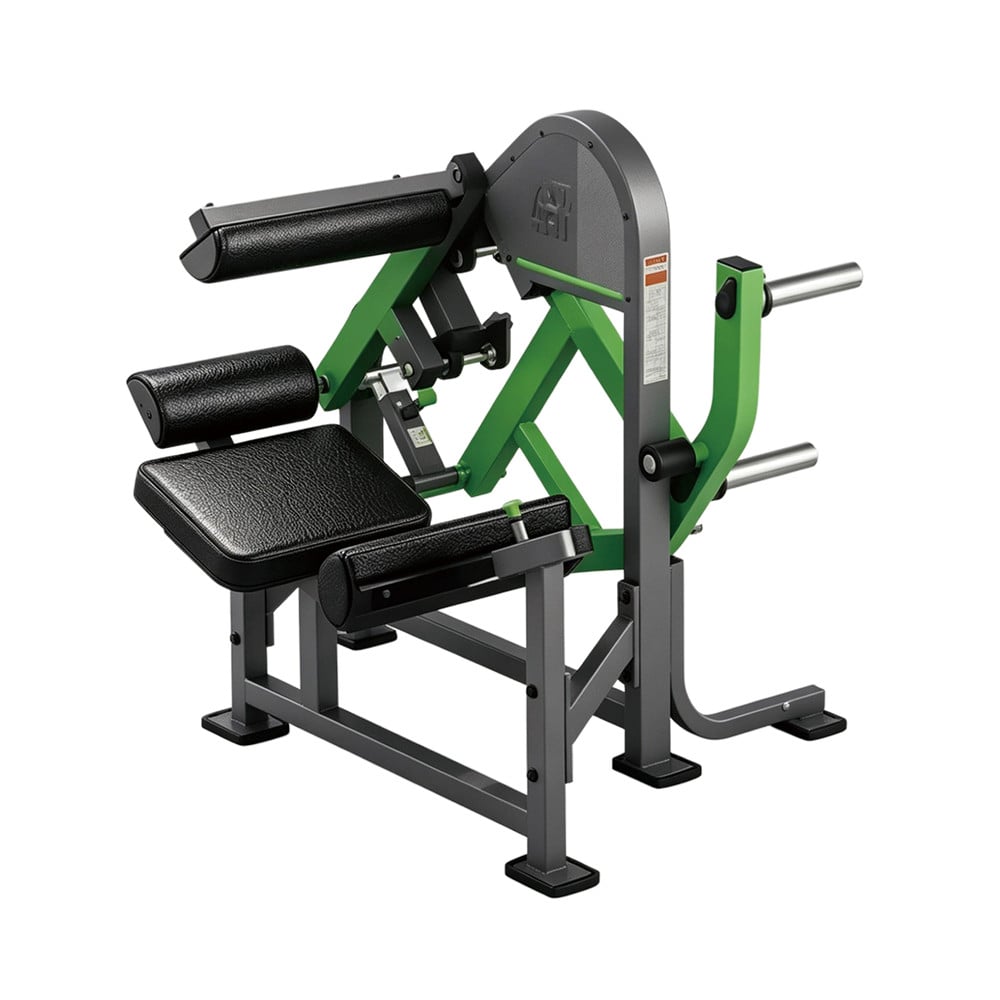
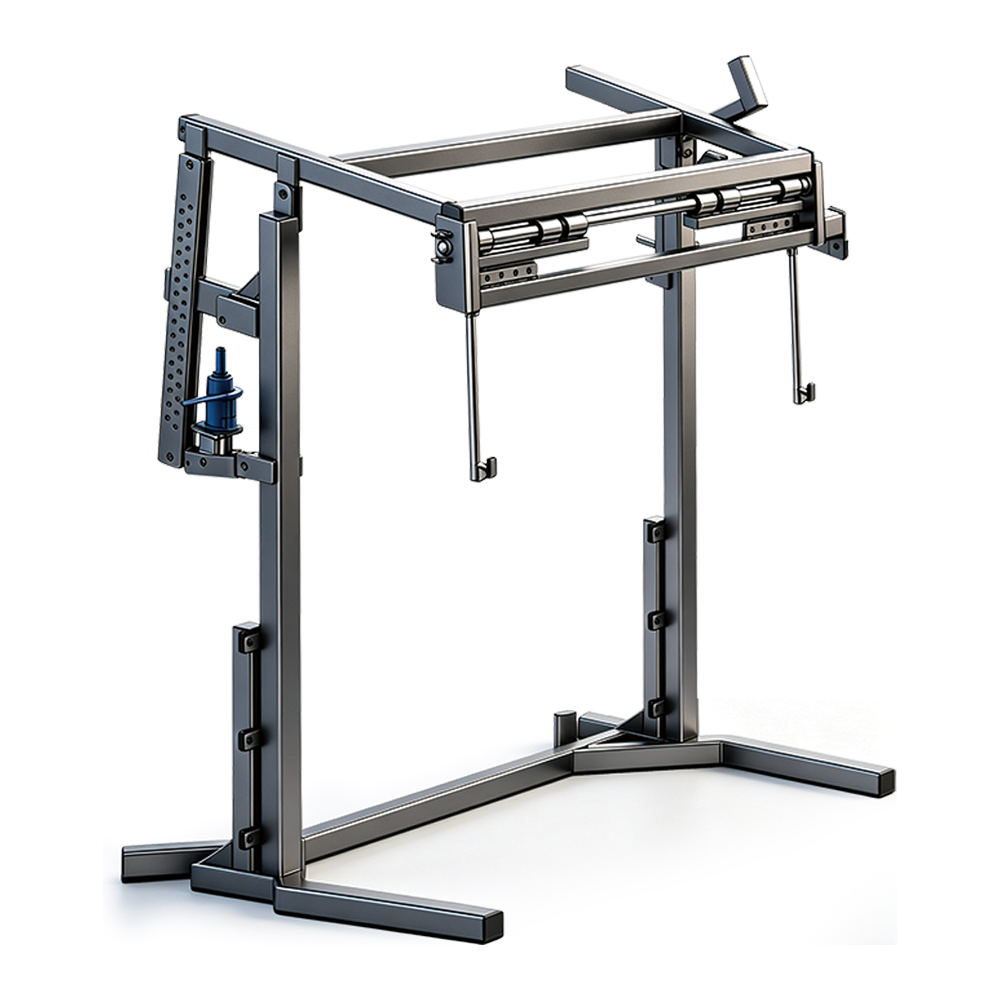
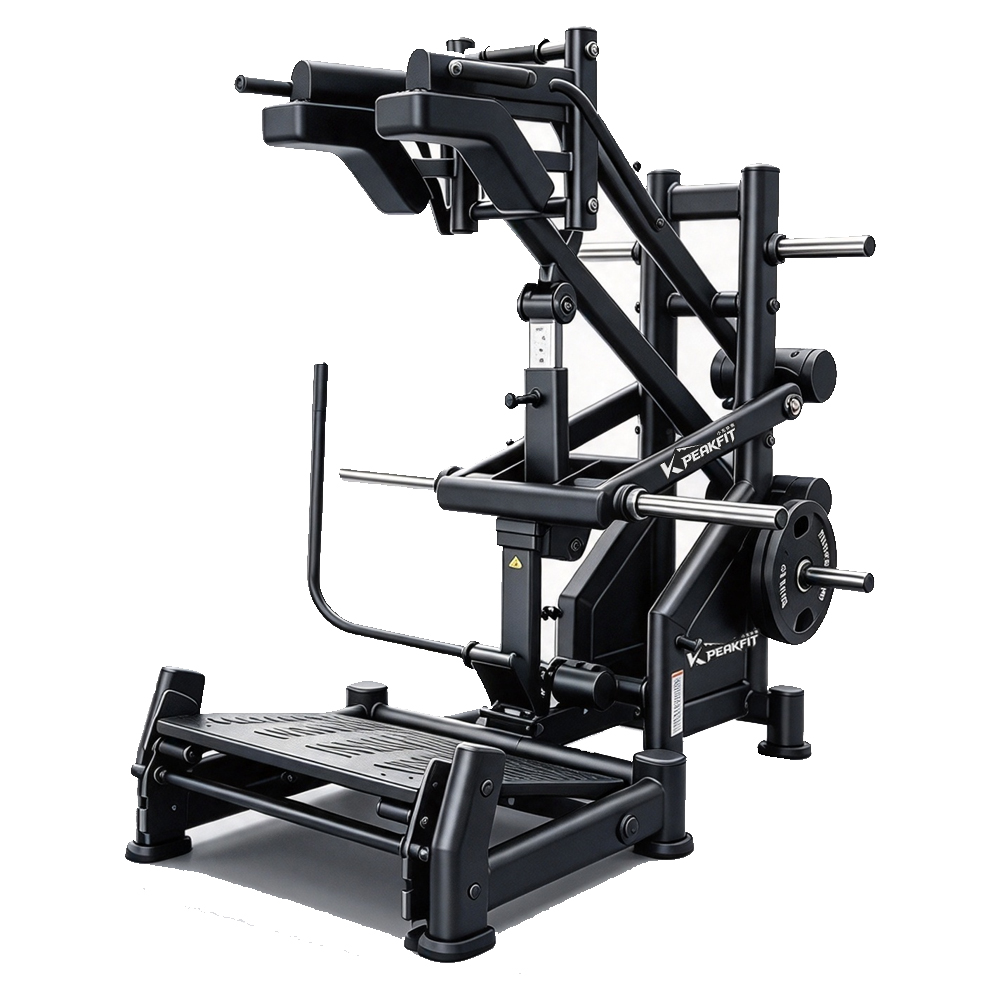
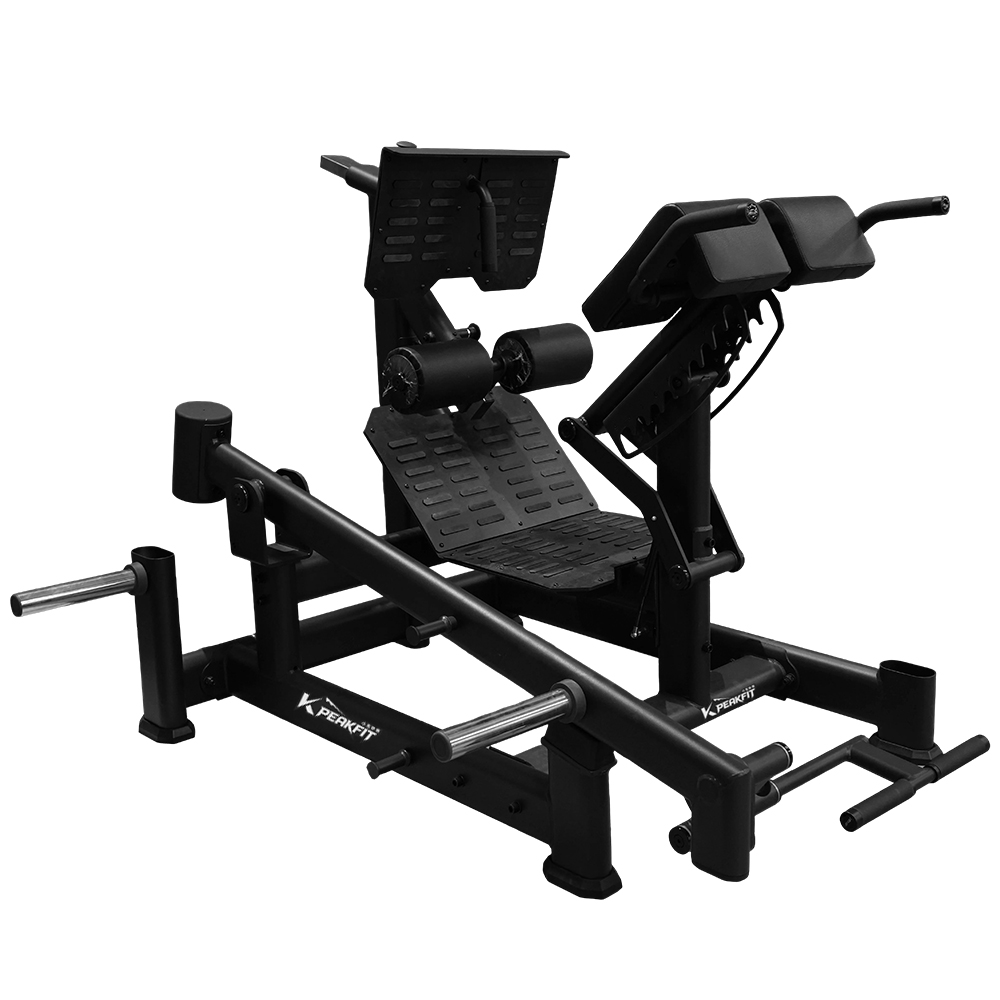
Essential Back Extension Bench Specifications

Kpeakfit, full-chain manufacturer with 10+ years & 90,000㎡ workshop.

Exhibit at IWF Shenzhen(H4A10) & WFF Shaoxing for global buyers.

Certified fitness gear, one-stop service for worldwide partners.

application/Back-Extension-Bench, application/Back-Extension-Bench, 
Inquiry
Inquiry

Back Extension Bench

Back extension benches are essential pieces of fitness equipment designed to strengthen the lower back, glutes, and hamstrings. For purchasing managers and fitness equipment distributors, understanding the key specifications, installation guidance, and cost factors associated with back extension benches is crucial. This article will help you navigate the intricacies of selecting the right back extension bench, ensuring you make informed decisions that align with your operational needs and budget.

Cost Factors to Consider When Purchasing Back Extension Benches

Cost Factors to Consider When Purchasing Back Extension Benches

The cost of back extension benches can vary significantly based on several factors:

Material Quality: Higher-quality materials tend to increase the cost but also enhance durability and longevity. Steel frames with protective coatings may be more expensive but can save money in the long run due to reduced maintenance and replacement costs.

Manufacturing Processes: Automated production lines often lead to more consistent quality but might come with higher initial costs. Buyers should consider whether the investment in manufacturing quality justifies the price difference.

Customization Options: If a buyer requires specific features or branding on the benches, customization will likely add to the cost. It’s essential to weigh the benefits of these features against the budget constraints. Options from our Pin Loaded Series offer excellent customization for specific needs.

Volume Discounts: Purchasing in bulk can often yield significant savings. Buyers should inquire about minimum order quantities (MOQ) and potential discounts for larger purchases.

Shipping and Handling: Costs associated with transport can vary based on distance and logistics. Ensure to factor these costs into the total budget to avoid surprises.

Understanding these cost factors will help buyers make more informed decisions that align with their financial constraints while ensuring they invest in quality equipment.

Installation Guidance for Efficient Use of Back Extension Benches

Installation Guidance for Efficient Use of Back Extension Benches

Proper installation of back extension benches is critical for safe and effective use. Here are some installation tips:

Location: Position the bench in a spacious area that allows for safe usage. Ensure ample room around the bench for users to enter and exit safely.

Surface Stability: Ensure the bench is placed on a level surface to prevent wobbling during use. This stability is crucial for user safety and comfort.

Assembly Instructions: Follow the manufacturer’s assembly instructions carefully. Pay close attention to securing all bolts and screws to maintain structural integrity.

User Safety Checks: Before the first use, perform a safety check to ensure all components are secure and functioning correctly. This includes checking the padding for wear and ensuring that the adjustment mechanisms are operational.

Maintenance Guidelines: Establish a regular maintenance schedule to check for wear and tear, particularly on adjustable parts. Regular lubrication of moving parts can also enhance lifespan and performance.

Following these installation guidelines will help ensure that the back extension bench operates efficiently and safely, maximizing its benefits for users.

Comparing Back Extension Bench Features for Optimal Performance

Comparing Back Extension Bench Features for Optimal Performance

When comparing back extension benches, consider the following features for optimal performance:

Range of Motion: Benches that allow for a full range of motion will enable users to engage more muscle groups, resulting in better workout outcomes. Look for benches that facilitate both hyperextension and regular back extension movements.

Footrest Design: The design of the footrest can affect user comfort and safety. A padded or adjustable footrest can provide better support and stability, particularly for heavier users.

Portability: For facilities that require flexibility in equipment placement, consider benches that are lightweight or come with wheels for easy movement.

User Feedback Mechanisms: Some benches may come equipped with feedback systems or integrated technology that can track performance metrics. This feature can be valuable in commercial settings where tracking progress is essential.

Aesthetic Appeal: While functionality is paramount, the visual design also matters, especially in a commercial gym setting. Aesthetically pleasing designs can enhance the user experience and attract more clients.

By carefully comparing these features, buyers can select back extension benches that offer the best performance for their specific user base and operational goals.

Material Advantages of High-Quality Back Extension Benches

The materials used in back extension benches significantly impact their performance, durability, and safety. Here are some advantages of high-quality materials:

Steel Frame Construction: Steel is known for its strength and stability, making it an ideal choice for fitness equipment. High-quality steel frames can withstand heavy usage in commercial settings without compromising integrity.

High-Density Foam Padding: Using high-density foam for padding ensures that users experience adequate comfort without compromising support. This material is essential for preventing discomfort during extended workout sessions.

Durable Upholstery: Upholstery made from high-quality synthetic materials can resist wear and tear, as well as moisture, making it suitable for various gym environments.

Corrosion Resistance: Coatings that provide corrosion resistance, such as powder coating, are vital for benches used in humid or high-moisture areas. This not only extends the life of the equipment but also maintains a professional appearance.

Environmentally Friendly Options: Many manufacturers are beginning to offer eco-friendly materials in their manufacturing processes. These options can appeal to environmentally conscious buyers and may also meet specific industry regulations.

Selecting back extension benches made from these quality materials will ensure long-lasting performance and enhance user satisfaction, ultimately leading to a better return on investment for the buyer.

Key Specifications to Evaluate in Back Extension Benches

When evaluating back extension benches, several key specifications should be considered:

Adjustability: Look for benches that offer multiple angles for back positioning. This feature allows users to customize their workouts to target different areas of the lower back and adjust for individual comfort levels.

Weight Capacity: Ensure that the bench can support a variety of user weights. A higher weight capacity typically indicates a more robust construction, which is essential for safety and durability.

Dimensions: Consider the bench's overall size—length, width, and height. This is particularly important for commercial gyms with limited space or for home use in smaller environments.

Padding Thickness: The quality and thickness of the padding affect user comfort during workouts. Insufficient padding can lead to discomfort, reducing the likelihood of regular use.

Construction Material: High-quality steel frames are preferable for their durability and stability. Check for any rust-resistant coatings, especially if the equipment will be used in humid environments. Additionally, equipment from our Series Strength Equipment line provides exceptional durability and performance.

By focusing on these specifications, buyers can better assess the suitability of a bench for their specific application, whether that be in a commercial gym or a personal training studio.

Get a Free Quote

Our representative will contact you soon.
0/1000