Wholesale Back Extension Machines for Fitness Centers

Kpeakfit, full-chain manufacturer with 10+ years & 90,000㎡ workshop.

Exhibit at IWF Shenzhen(H4A10) & WFF Shaoxing for global buyers.

Certified fitness gear, one-stop service for worldwide partners.

application/Back-Extension-Machine, application/Back-Extension-Machine, 
Inquiry
Inquiry

Back Extension Machine

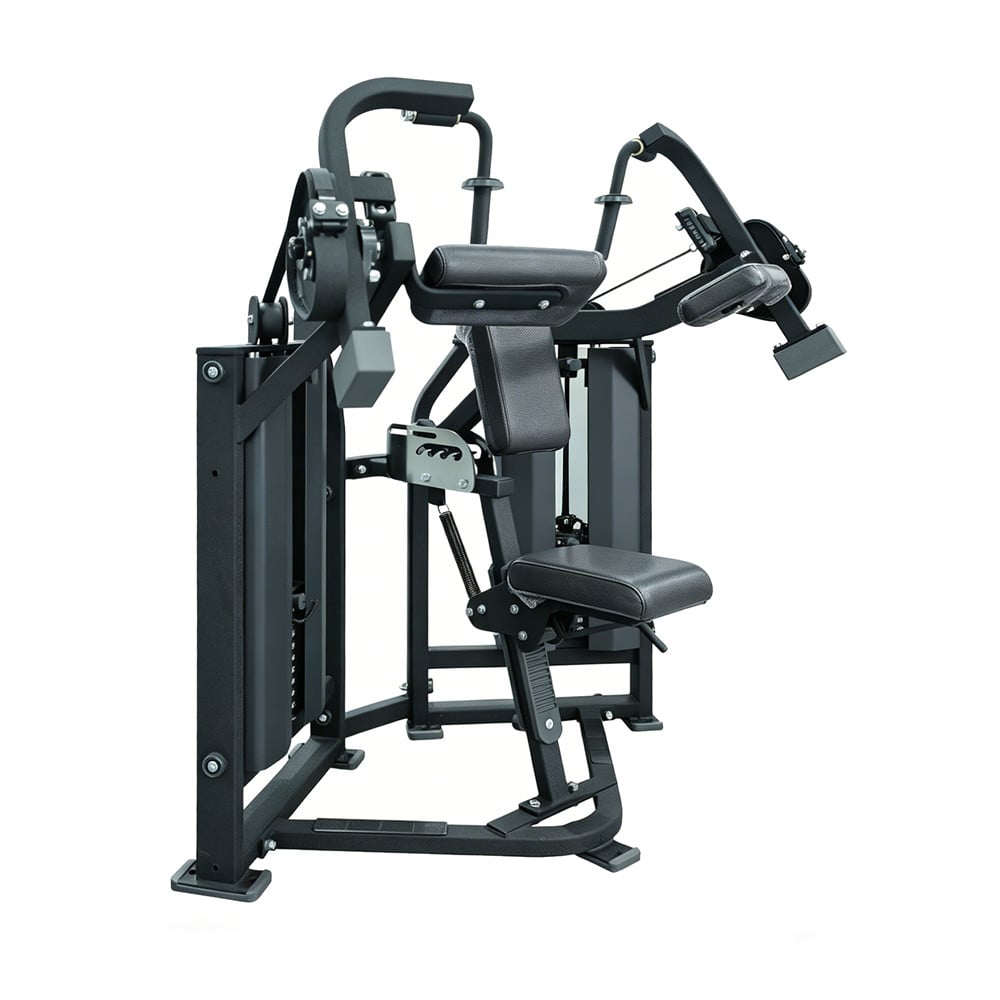
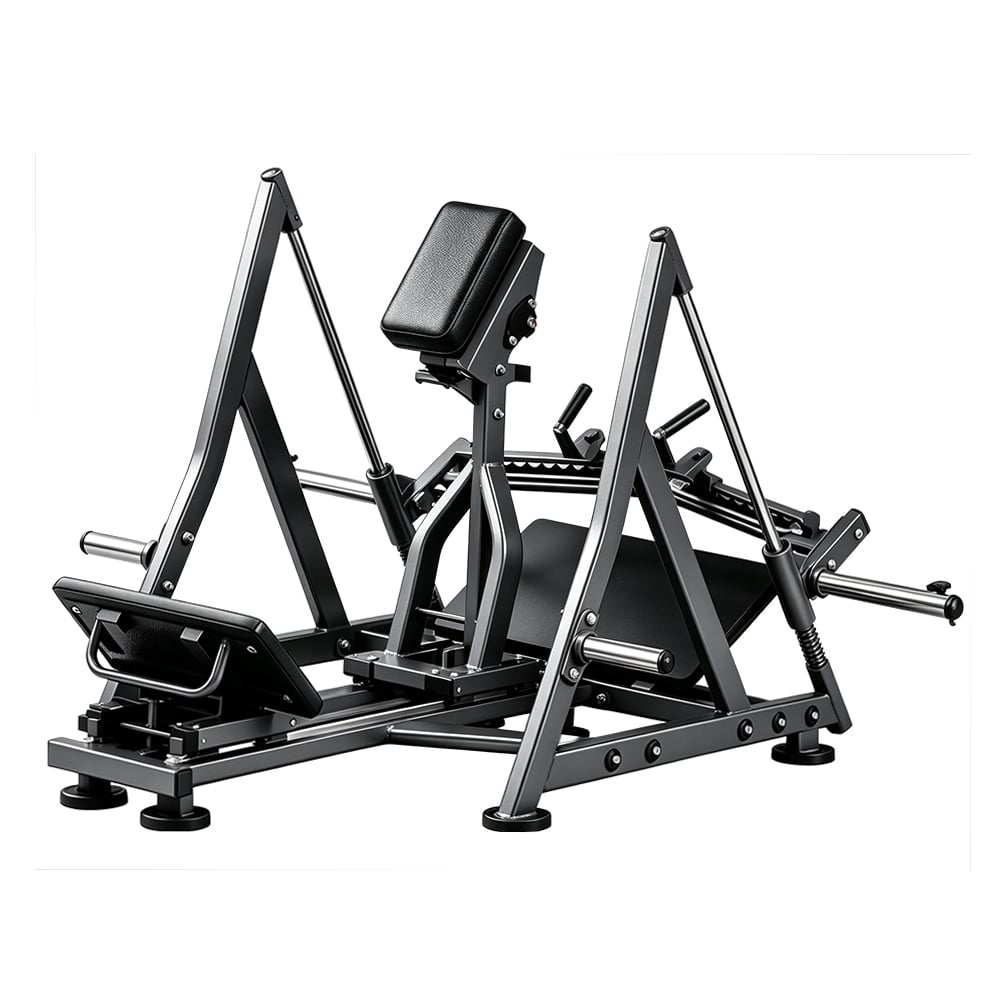
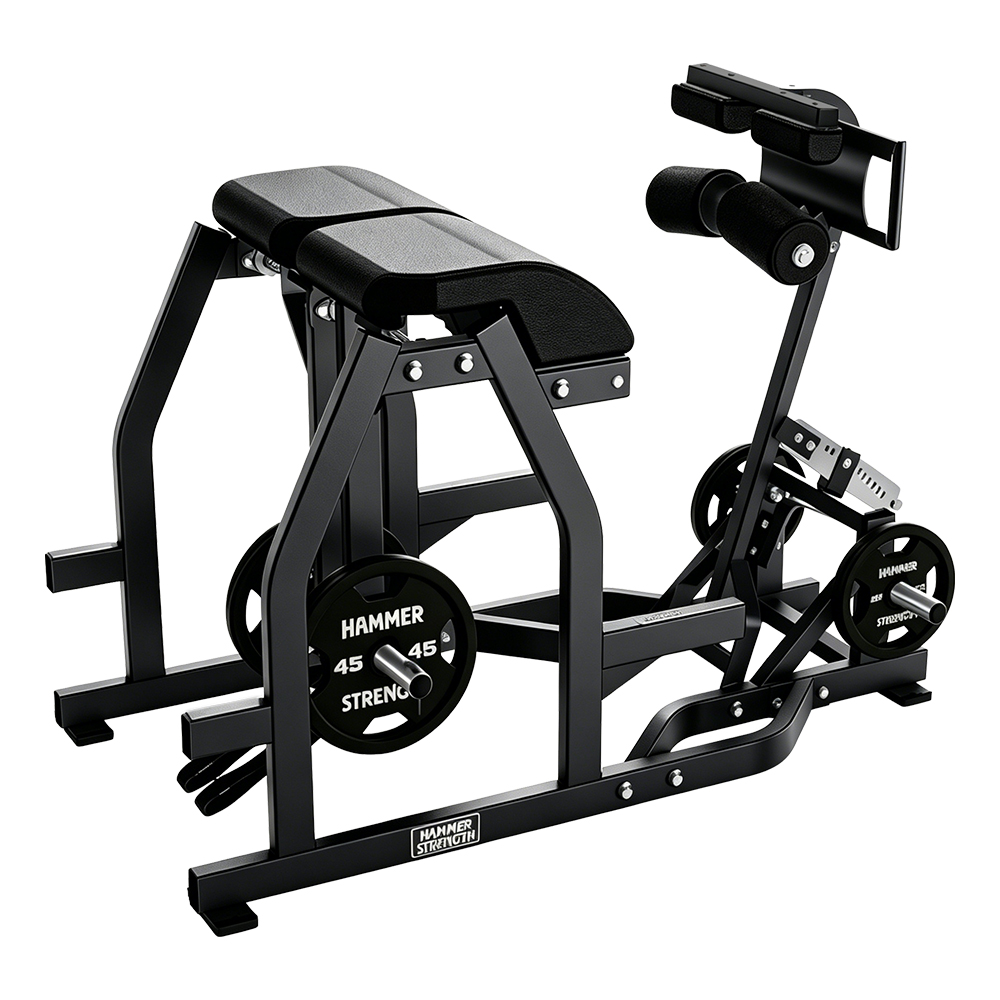
Back extension machines are essential fitness equipment designed to strengthen the lower back and core, making them a pivotal addition to any gym or fitness facility. For B2B buyers, such as purchasing managers and fitness center owners, sourcing back extension machines involves understanding specifications, evaluating costs, and ensuring quality. This article will guide you through the key considerations when sourcing, evaluating, and applying back extension machines in commercial fitness settings.

Evaluating Cost Factors for Wholesale Back Extension Machines

Evaluating Cost Factors for Wholesale Back Extension Machines

Cost evaluation is vital for making informed purchasing decisions. Here are several factors that can affect the overall cost of back extension machines:

Material Choices: The materials used in manufacturing back extension machines impact both durability and price. Steel frames may offer better longevity compared to lighter materials, but they may also increase costs.

Design Features: Machines with advanced ergonomic designs or added functionalities could have higher price points. Understand how these features affect user experience and if they justify the cost.

Production Scale: Bulk purchases often lead to discounted pricing. However, it's essential to balance cost savings with quality assurance. Ensure that lower costs do not compromise machine quality.

Quality Control Processes: Investigate the manufacturer's quality control processes. A rigorous quality assurance system can prevent costly defects and ensure product consistency.

Shipping Costs: Factor in shipping costs, which can vary significantly based on location, weight, and shipping methods. Discuss shipping options with your supplier to optimize logistics.

A Step-by-Step Approach

A Step-by-Step Approach

A systematic approach can simplify the purchasing process for back extension machines. Follow these steps:

Define Requirements: Clearly outline the specifications you need, such as dimensions, weight capacity, and features.

Research Suppliers: Compile a list of manufacturers and suppliers, focusing on their reputation, experience, and product offerings. Check for certifications that indicate adherence to industry standards.

Request Quotes: Reach out to selected suppliers with detailed RFQs (Request for Quotations), including your required specifications, estimated order quantity, and desired delivery timelines.

Evaluate Samples: Before committing to a bulk order, request samples to assess the quality, design, and functionality of the machines. Testing samples under actual operating conditions is crucial.

Finalize Order: Once satisfied with the samples and pricing, finalize your order with the chosen supplier. Ensure that all terms, including payment, delivery, and warranty, are clearly outlined.

Applications of Back Extension Machines in Commercial Fitness Settings

Applications of Back Extension Machines in Commercial Fitness Settings

Back extension machines are versatile and can be used in various commercial fitness environments. Here are some common applications:

Gym Facilities: These machines are staples in both commercial gyms and personal training studios, as they help users strengthen their lower back, improving overall fitness and performance.

Rehabilitation Centers: They are commonly used in physiotherapy and rehabilitation settings to assist patients recovering from back injuries. The controlled motion allows for safe strengthening of the lower back.

Sports Performance: Athletes utilize back extension machines to enhance core stability and strength, critical for performance in various sports. Additionally, incorporating equipment like the BD1002 Standing Hip Abduction Trainer can further enhance training regimens.

Corporate Wellness Programs: Companies integrating fitness solutions into their wellness programs can benefit from back extension machines, promoting employee health and reducing work-related injuries.

Home Gym Installations: With the rise of home fitness, these machines are increasingly popular among individuals looking to enhance their home gym setups.

Understanding Material Advantages in Back Extension Machine Design

The choice of materials in back extension machine design significantly impacts performance, durability, and user experience. Here are some commonly used materials and their advantages:

Steel Frames: Steel is a preferred material for back extension machines due to its strength and durability. Machines with steel frames can withstand heavy use and provide stability during workouts.

Padding Materials: The quality of padding is essential for user comfort. High-density foam or specialized padding materials can enhance comfort and reduce the risk of injury during exercises.

Finishing Treatments: Surface treatments, such as powder coating or galvanization, protect against corrosion and wear, ensuring longevity in commercial settings where machines are frequently used.

Non-Slip Footrests: The material used for footrests should provide adequate grip to ensure user safety during intense workouts. Rubberized or textured surfaces are effective solutions.

Eco-Friendly Options: As sustainability becomes a priority, some manufacturers offer eco-friendly materials. Discuss these options with your supplier if this aligns with your company's values.

When sourcing back extension machines, understanding these material advantages not only helps in making informed purchasing decisions but also enhances the overall quality of the equipment provided to your clientele.

Sourcing Back Extension Machines in Bulk

When sourcing back extension machines in bulk, it's crucial to start by identifying reliable manufacturers like XiaoKe Fitness Technology Co., Ltd., known for its comprehensive integration of R&D, design, production, and sales of fitness equipment. A few key factors to consider include:

Manufacturing Capabilities: Assess the manufacturer’s production capacity and capabilities. A facility with advanced automated lines, such as XiaoKe's 90,000 square meters, can ensure high-precision manufacturing.

Customization Options: Many buyers seek bespoke solutions. Inquire about customization capabilities, such as dimensions, materials, and features tailored to your specific requirements. For instance, you might want to explore options like the BD1005 Hip Push Trainer for added versatility in your offerings.

Minimum Order Quantity (MOQ): Determine the MOQ to ensure it aligns with your purchasing strategy. A lower MOQ can help mitigate risks if you are uncertain about market demand.

Lead Time: Establish lead times for production and delivery to plan inventory effectively, especially in peak seasons.

Shipping and Packaging: Inquire about packaging standards to ensure the machines arrive in good condition. Proper packaging is essential to prevent damage during transit.

Frequently Asked Questions

What is the Back Extension Machine designed for?

The Back Extension Machine targets lower back, glutes, and hamstrings to improve strength, stability, and posture through controlled extension exercises.
Manufactured in a 90,000 m² facility with automated lines, it uses high-strength steel, precision welding, and durable padding for stable, long-lasting performance.
Yes. It features adjustable footpad, hip support, and range-of-motion settings to accommodate various heights and training needs.
We provide assembly instructions and technical support. Optional professional installation can be arranged depending on order and region.
We offer warranty covering manufacturing defects and provide spare parts, maintenance guidance, and responsive customer service for global clients.

Get a Free Quote

Our representative will contact you soon.
0/1000