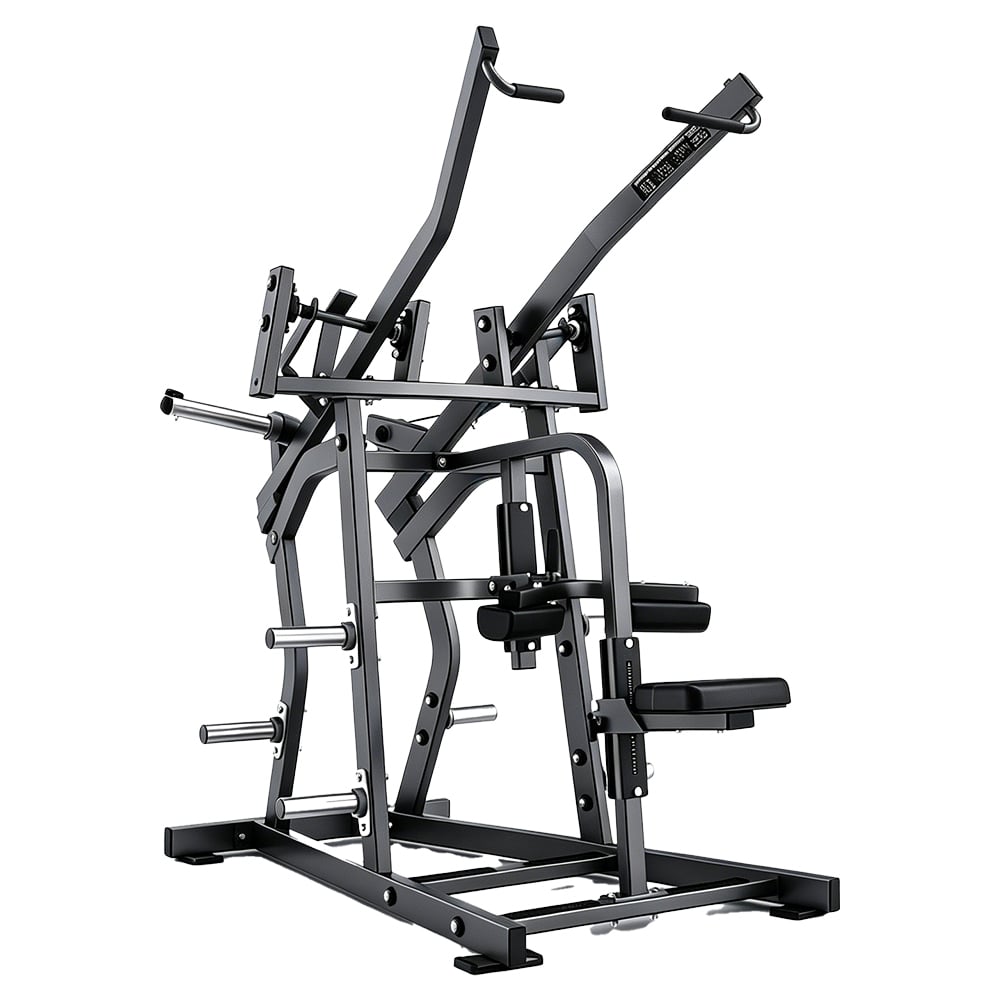
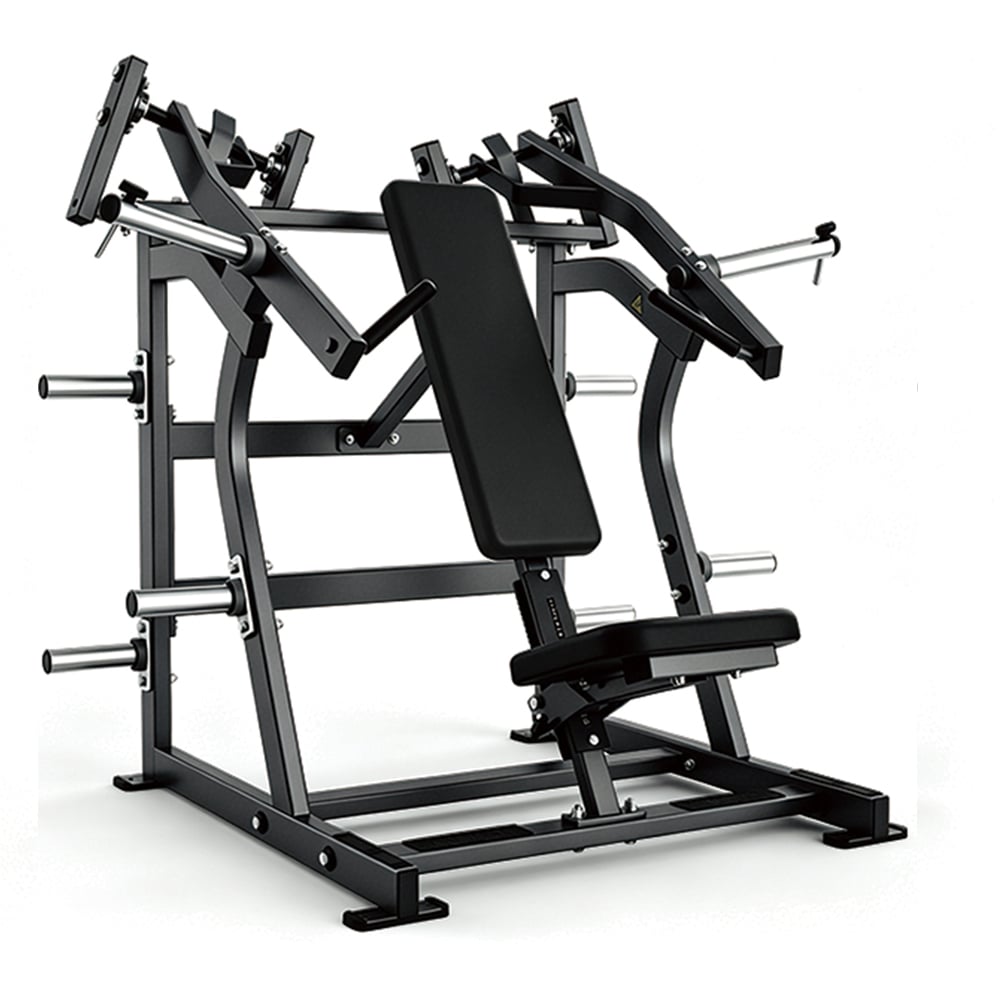
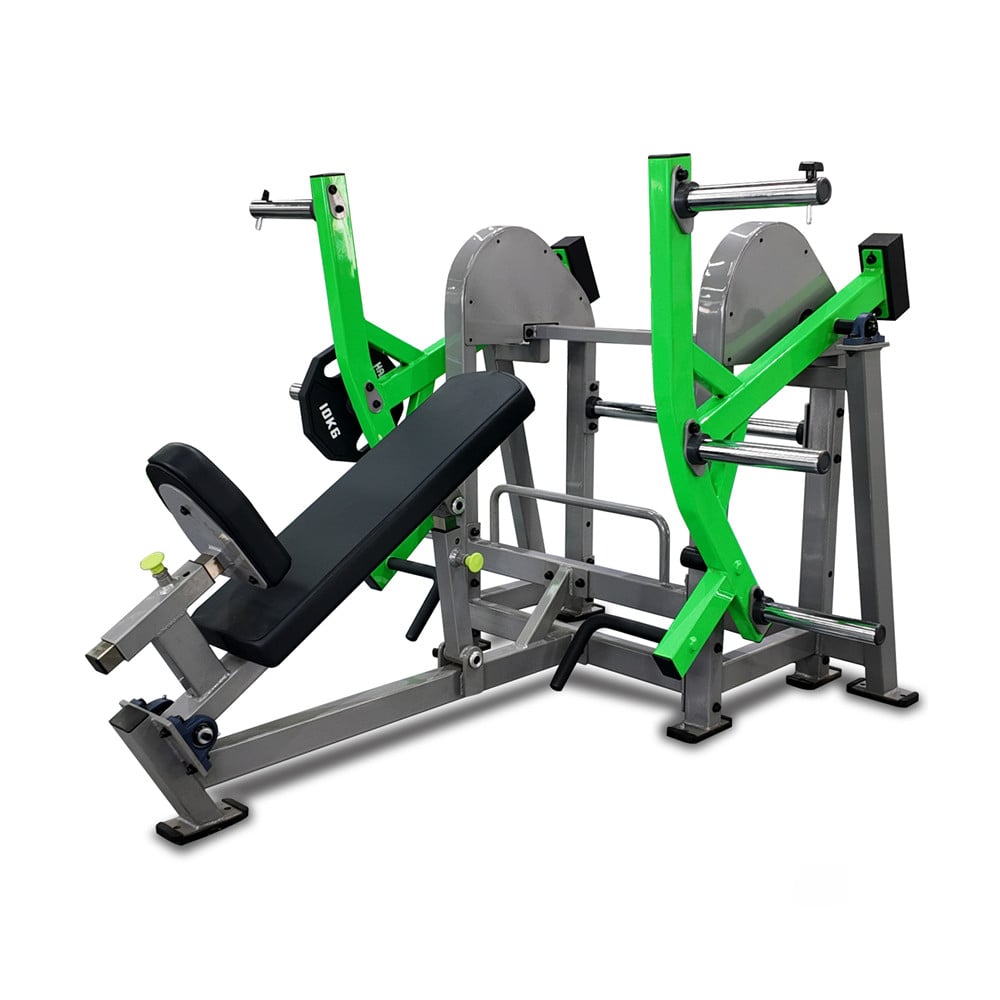
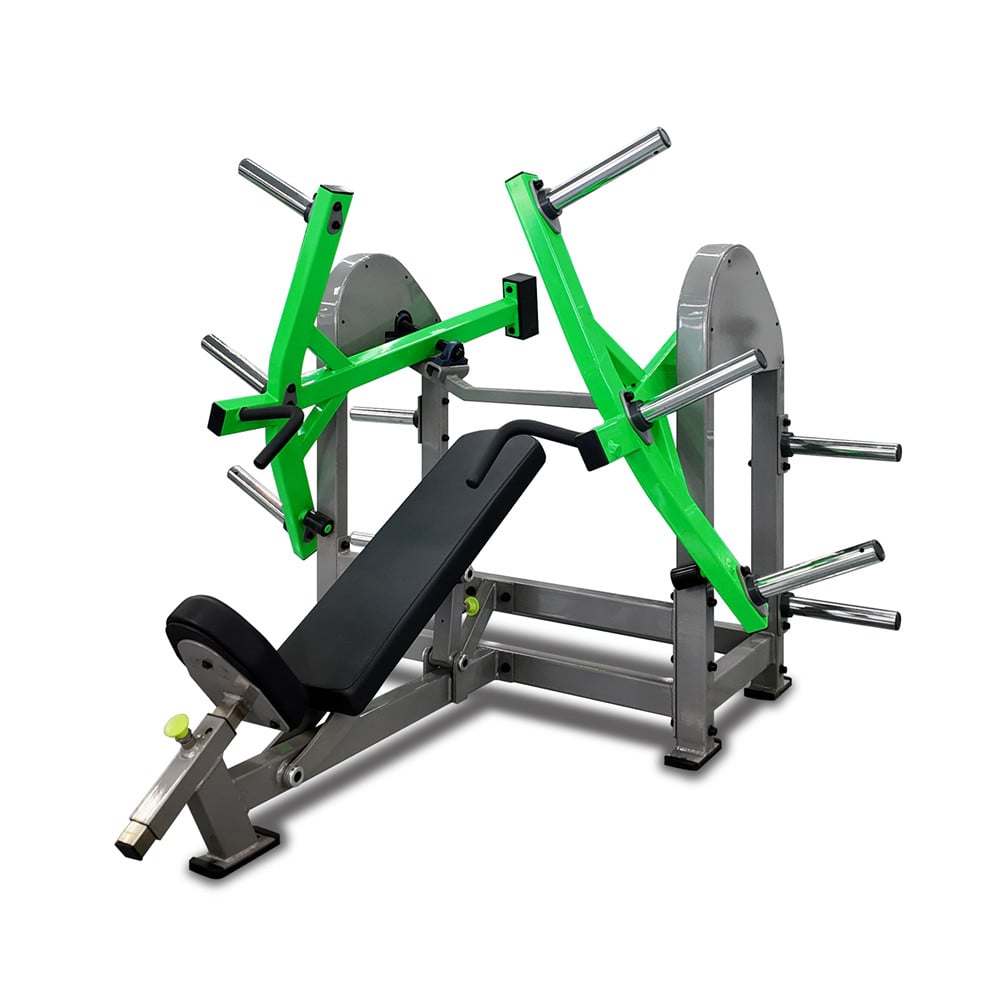
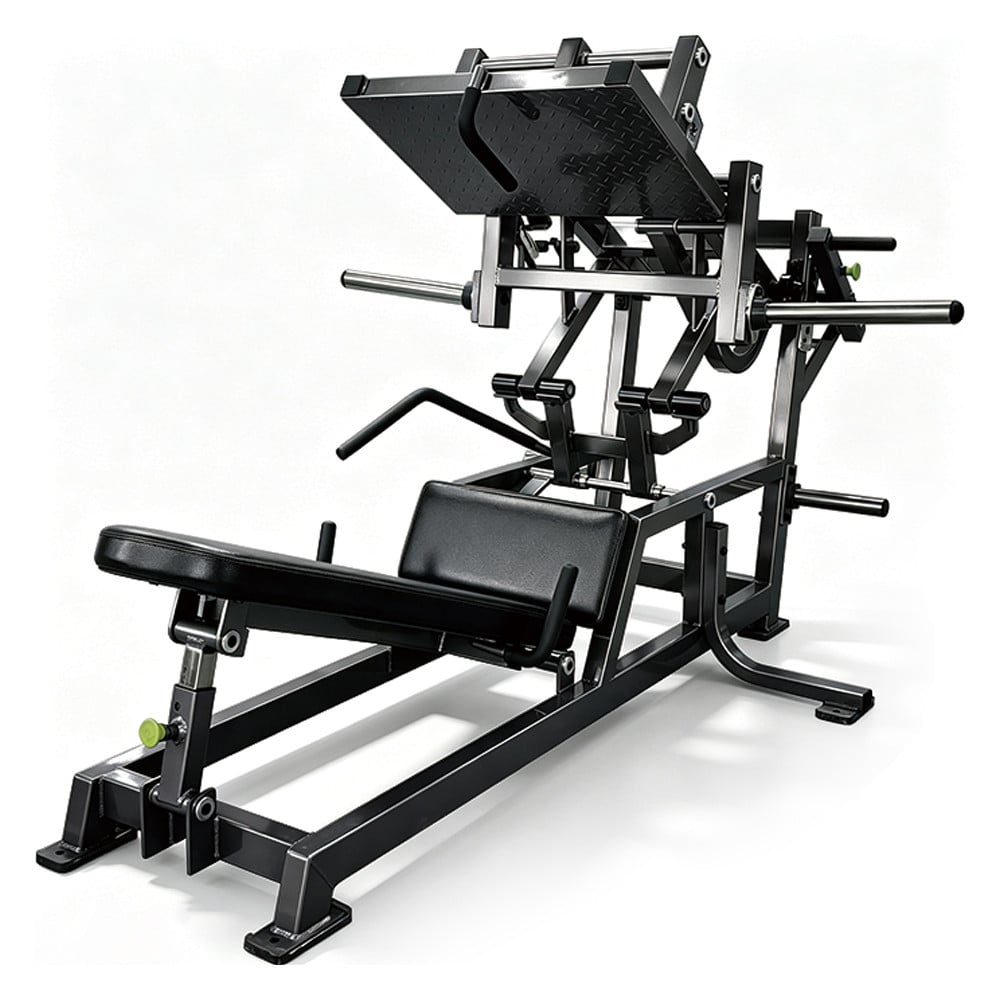
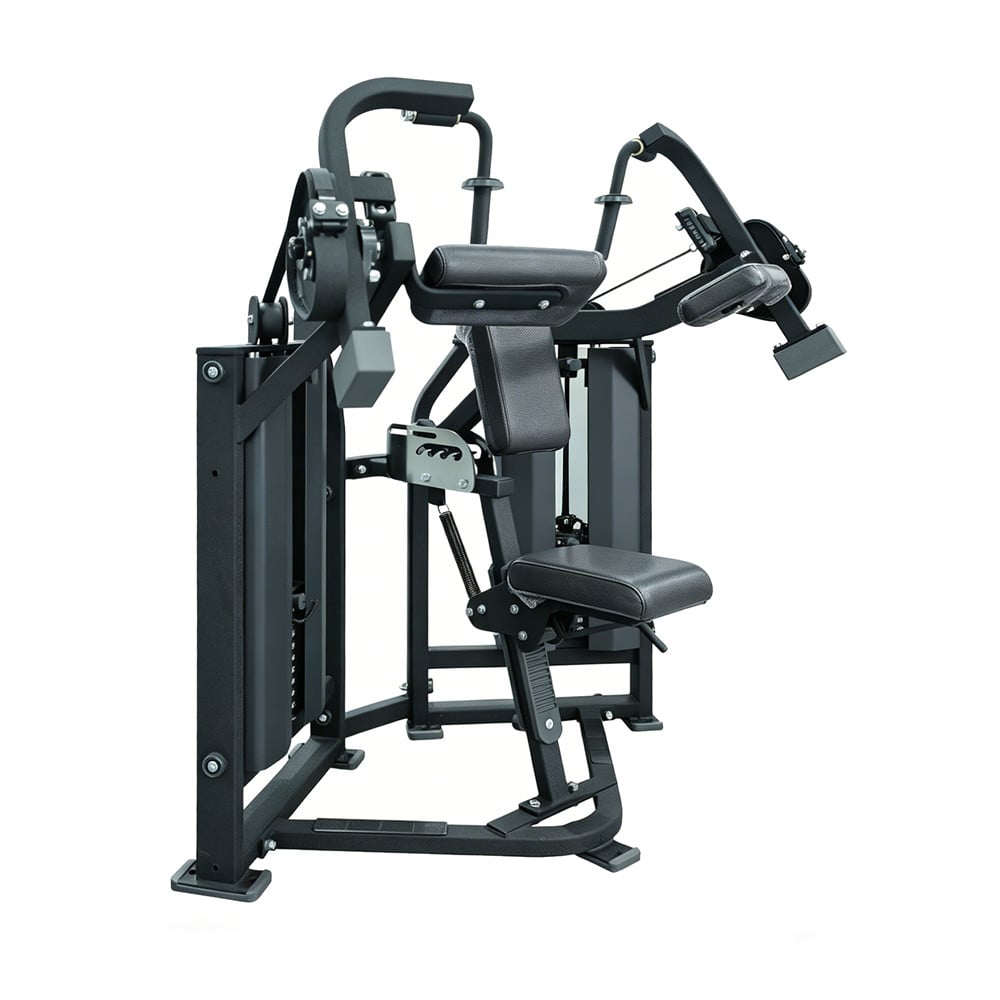
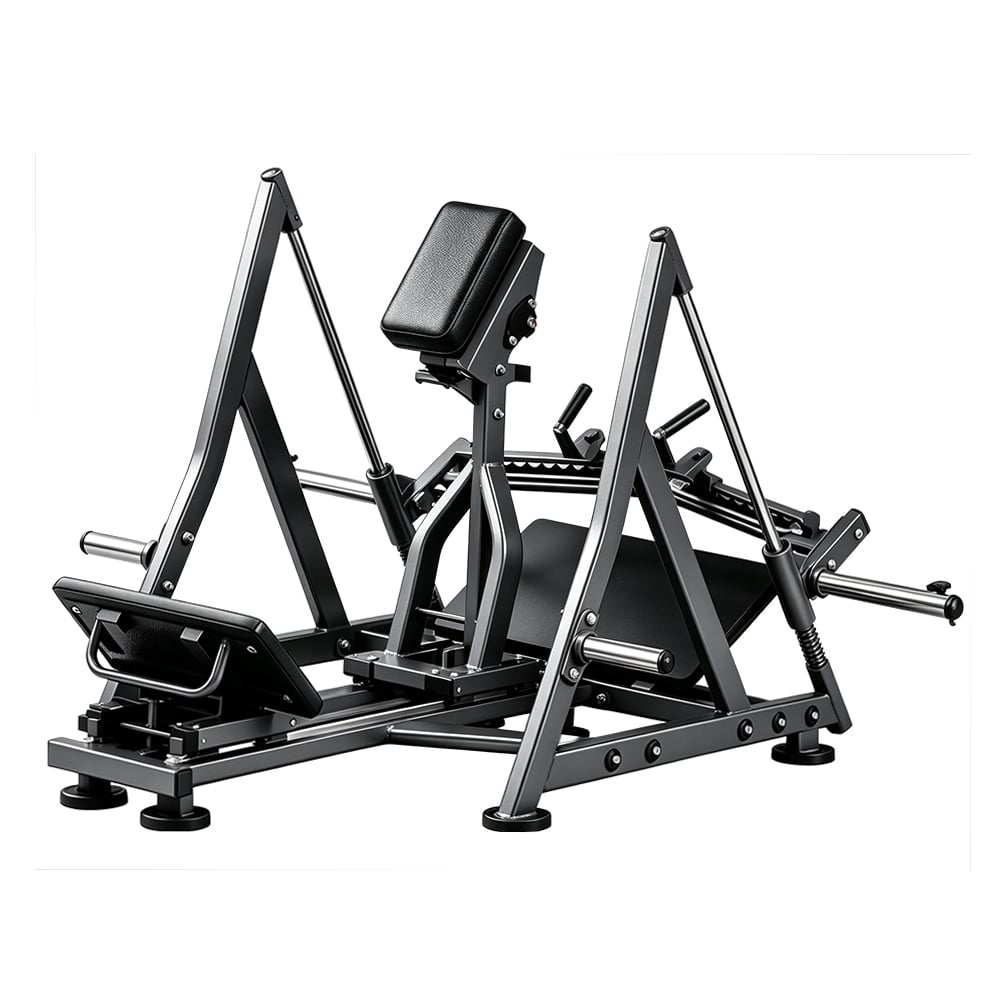
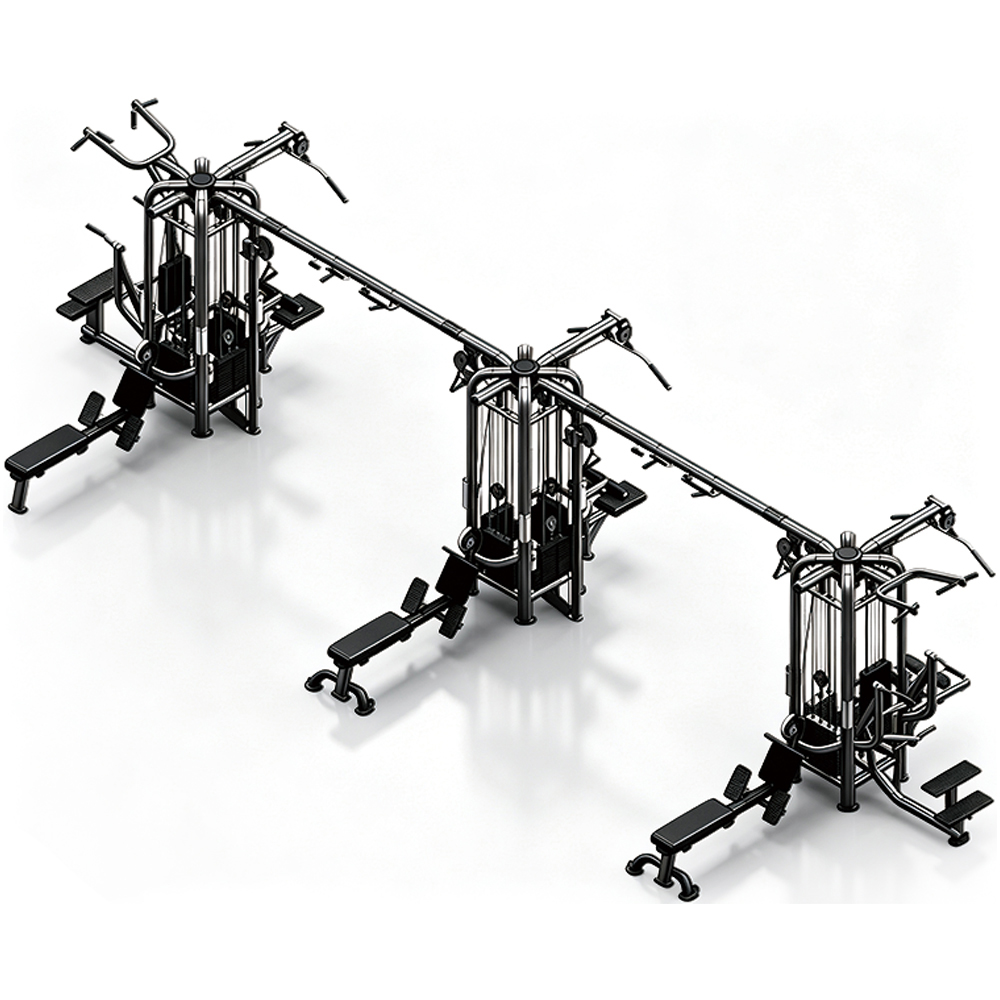
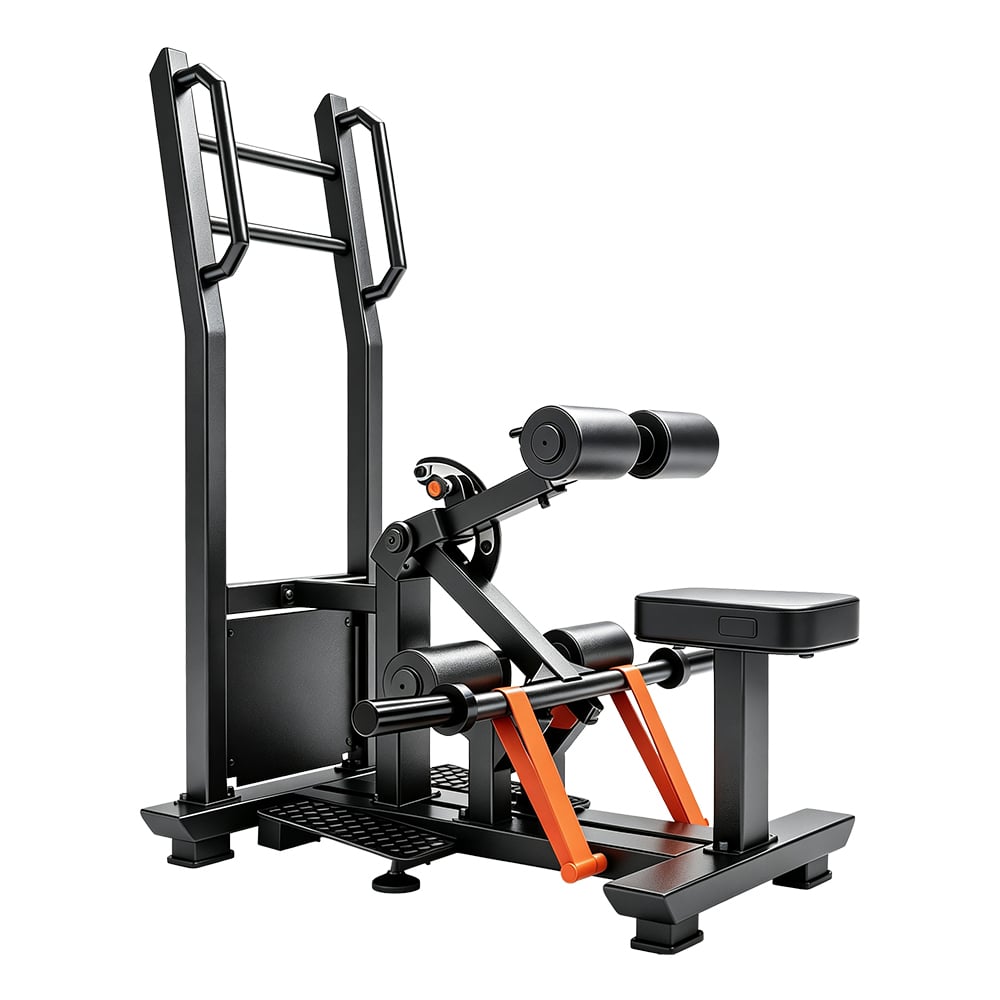
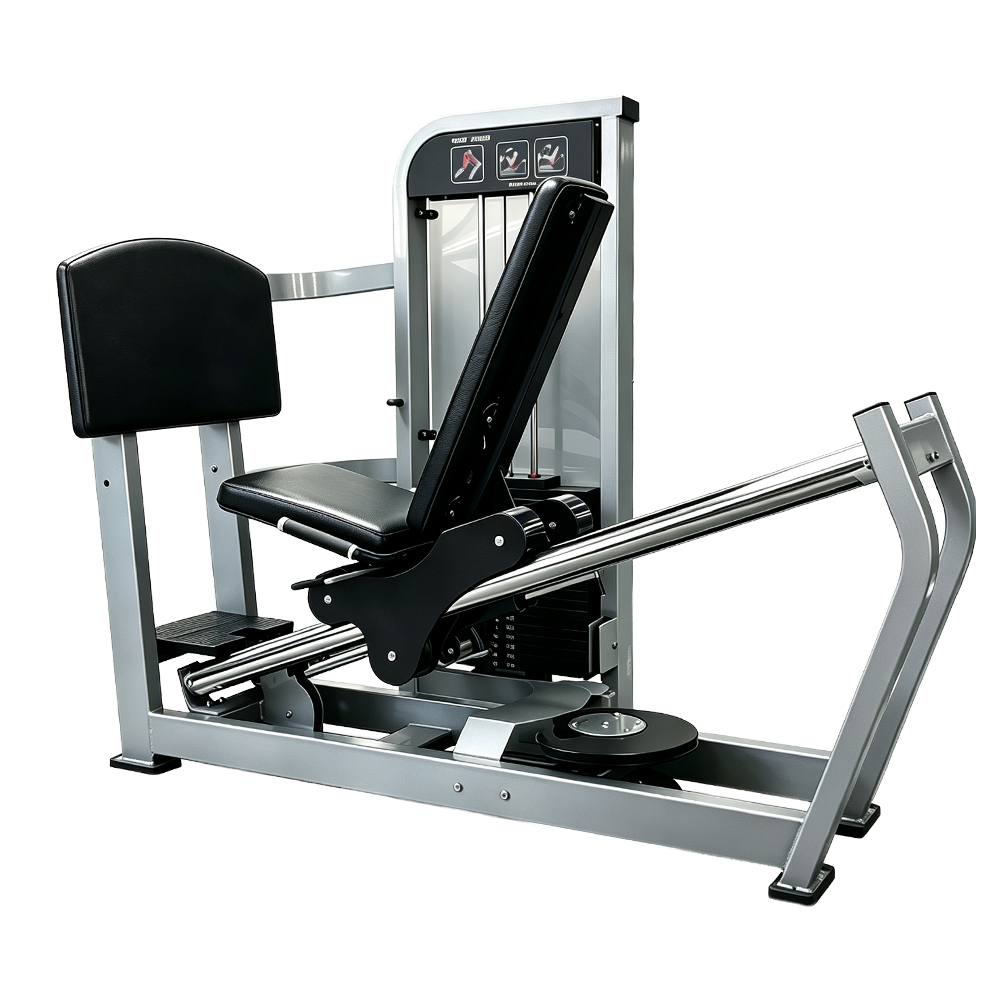
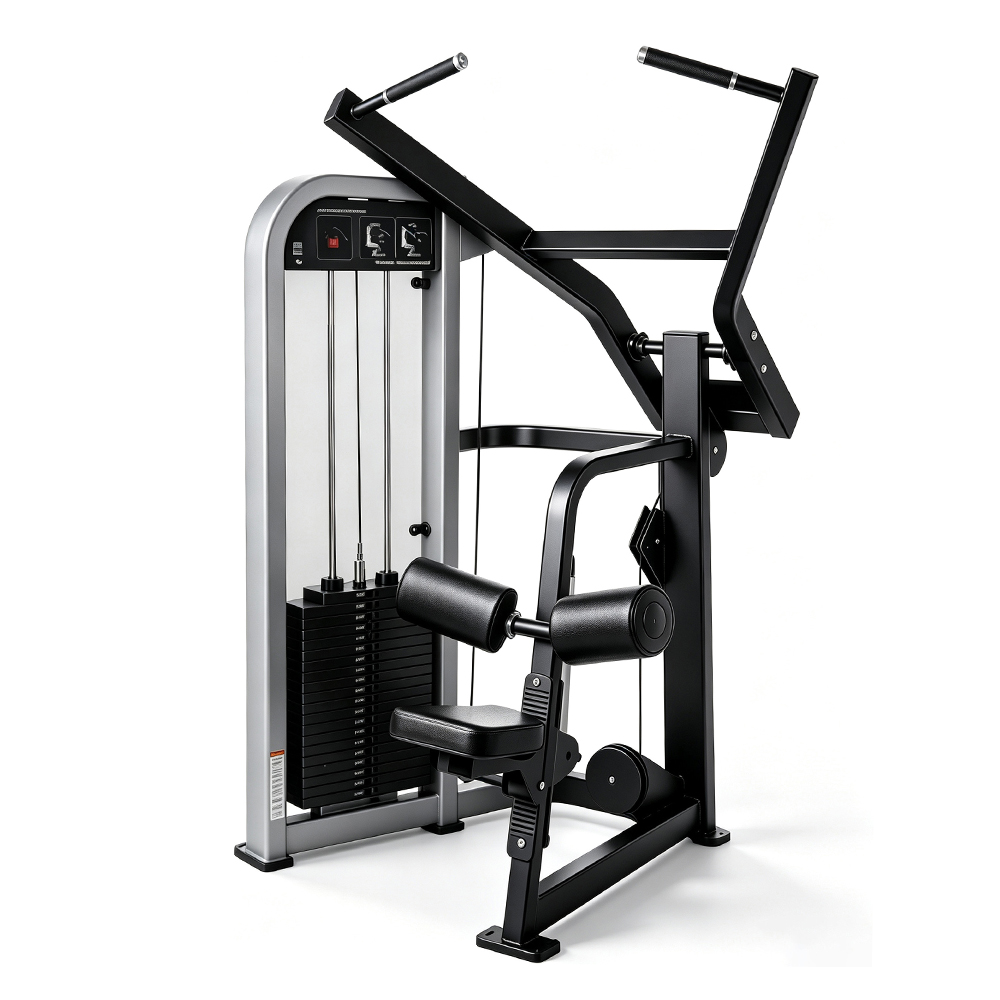
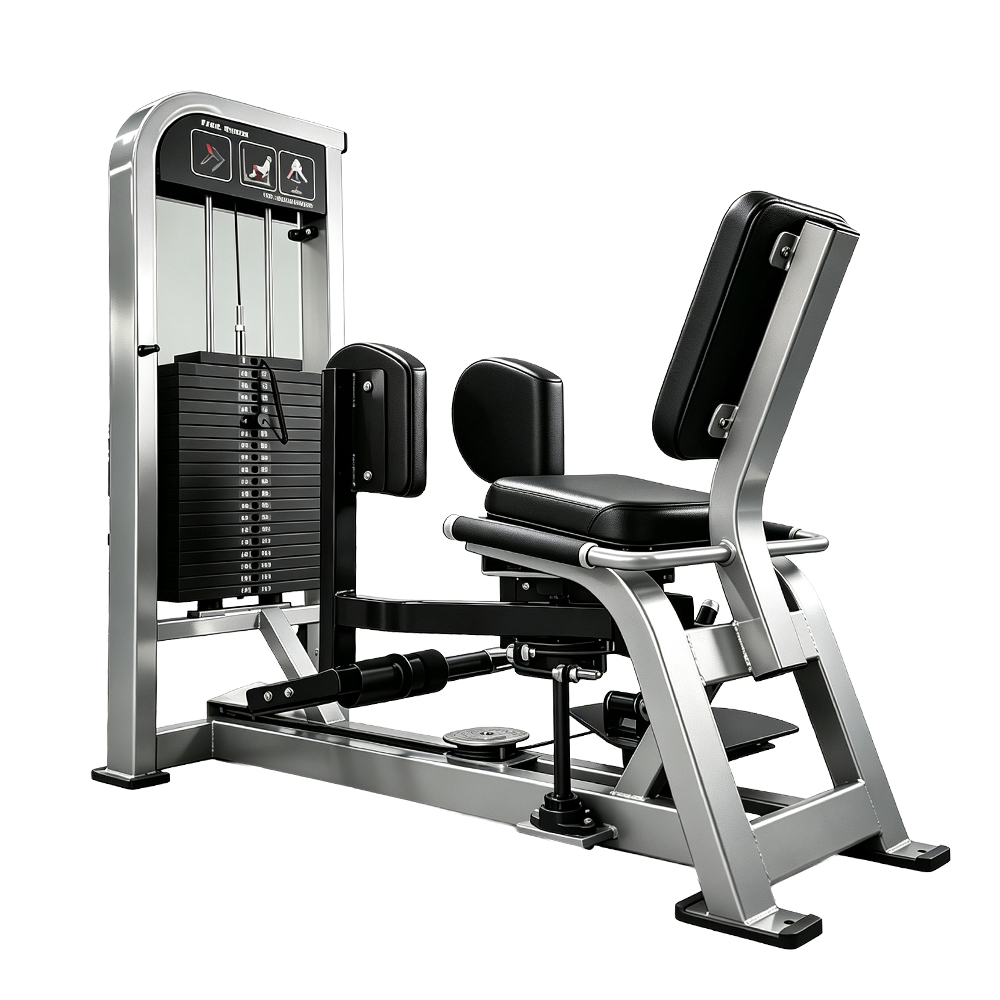
When comparing decline chest press machines, buyers should consider a structured approach to ensure they evaluate all relevant aspects:
Specifications Comparison: Create a comparison chart that outlines the key specifications of each machine, such as frame material, weight stack capacity, adjustability features, and safety elements. This visual aid helps in identifying the best options quickly.
User Reviews and Testimonials: Research customer feedback regarding each machine's performance. User reviews can provide insights into durability, comfort, and effectiveness, which are not always apparent from specifications alone.
Supplier Reputation: Investigate the reputation of the suppliers. Check for their history in the industry, responsiveness to customer inquiries, and after-sales support. A reliable supplier can make a significant difference in the overall purchasing experience.
Demo or Trial Options: If possible, arrange for a demonstration or trial period for the machines you're considering. Testing the equipment in real-world conditions can reveal practical insights about usability and performance.
Price vs. Features: Evaluate whether the added features justify the higher price of a machine. Sometimes, a less expensive option may offer sufficient performance for your needs without unnecessary frills.
After-Sales Service: Consider the level of support provided after the sale. Evaluate warranty terms, availability of spare parts, and customer service responsiveness, which can affect long-term satisfaction with the purchase.
By systematically comparing decline chest press machines based on these criteria, buyers can make informed decisions that align with their operational needs and budget constraints. Additionally, looking into products like the BM1010 Split Leg Dorsiflexion Trainer can be beneficial for comprehensive training options.
 EN