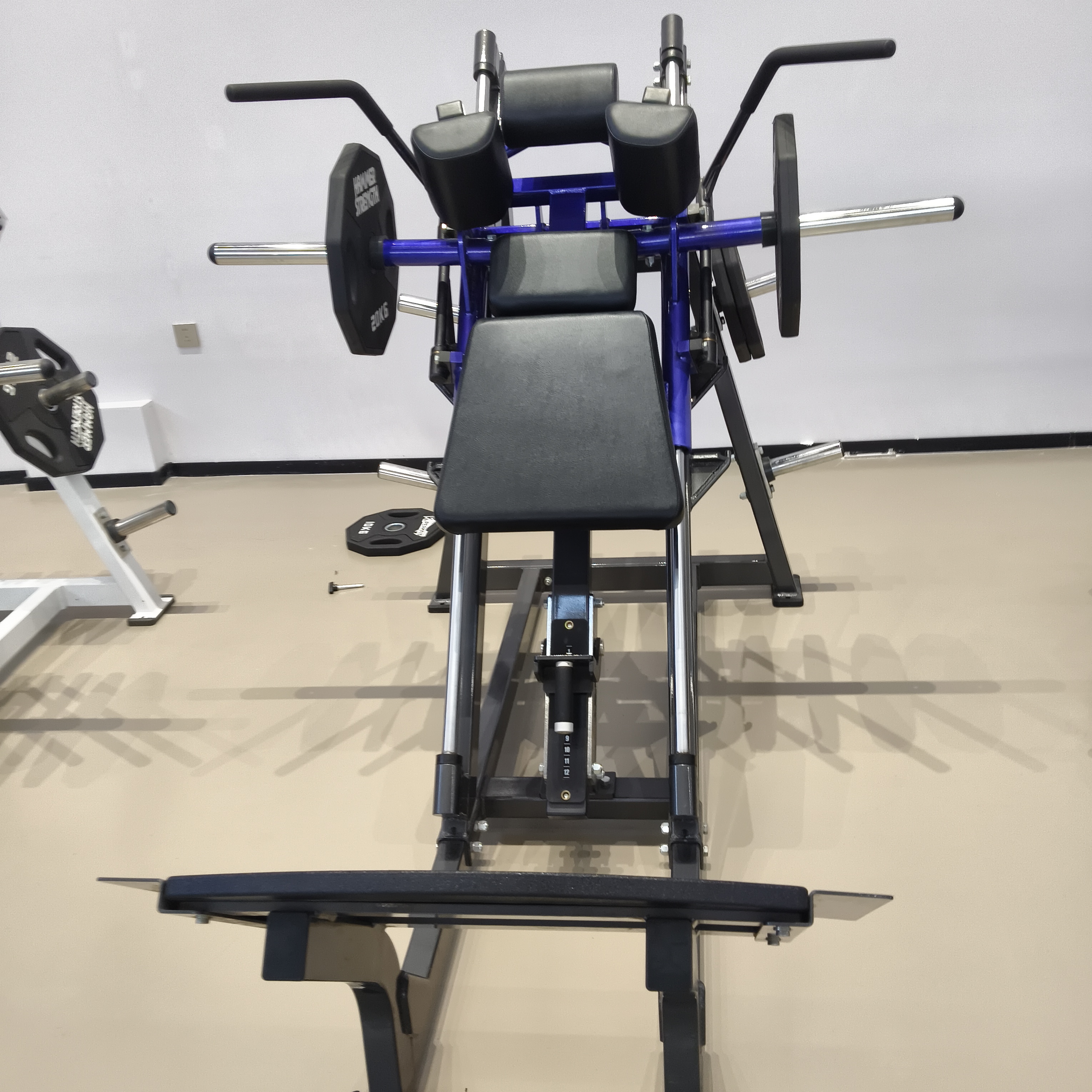
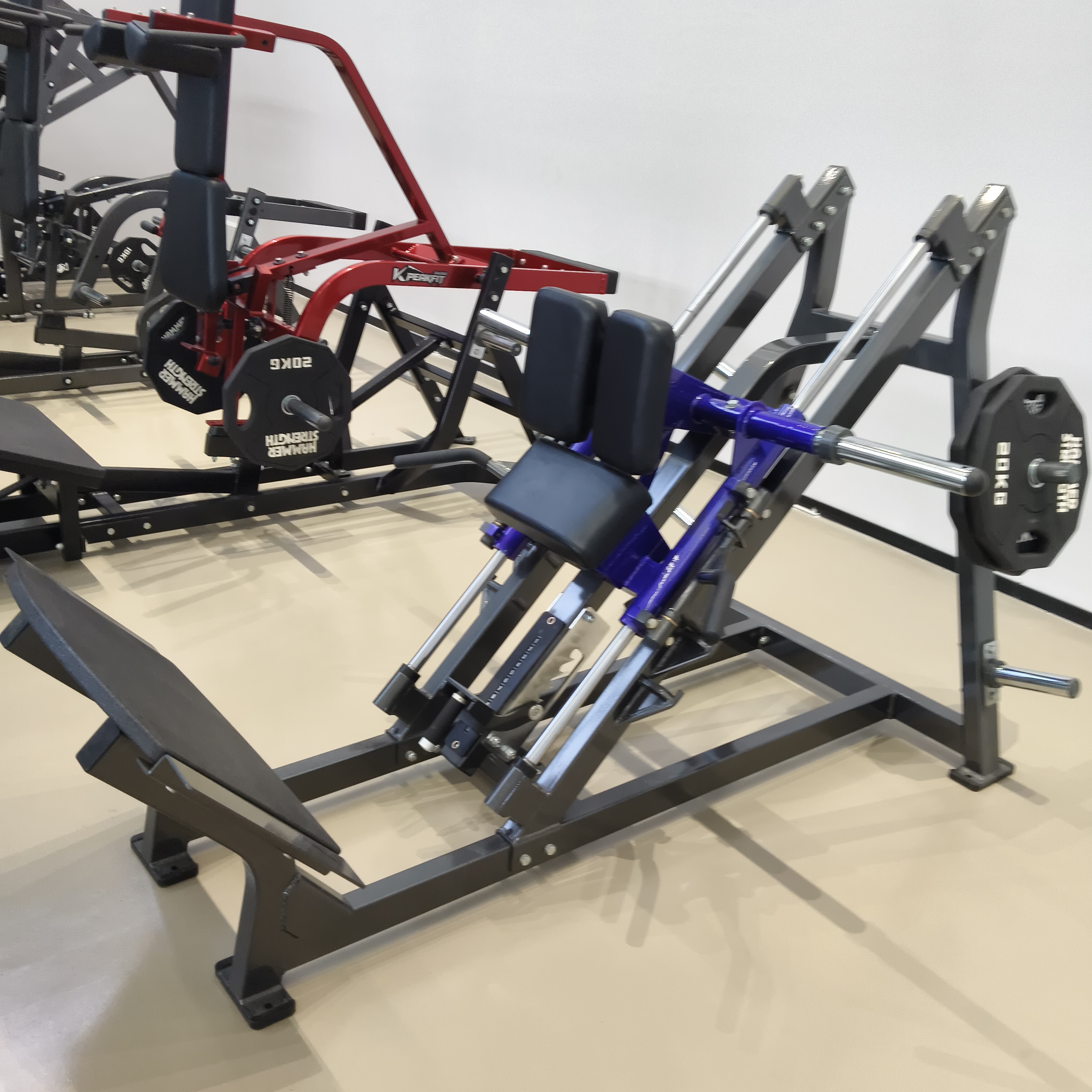
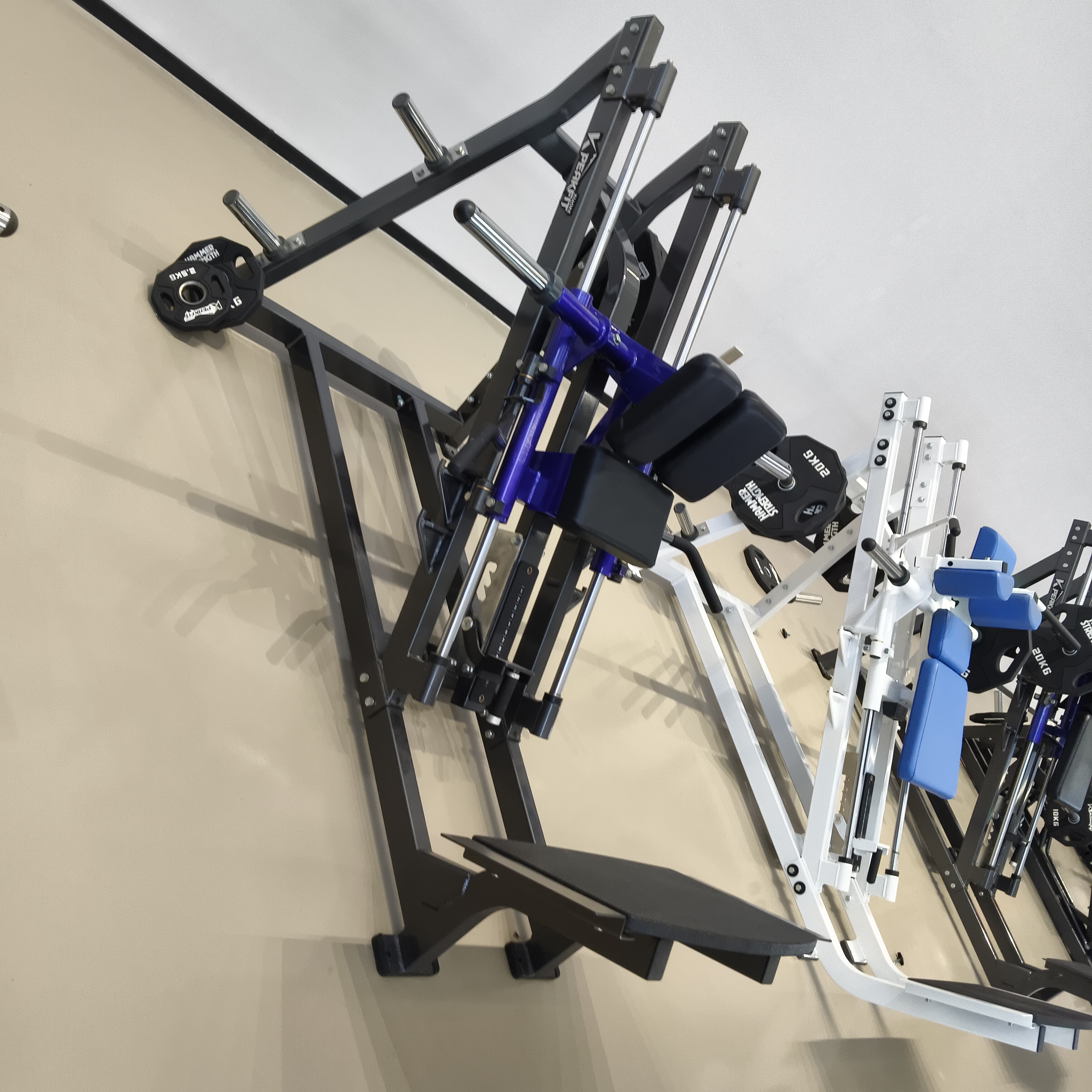
Plate Loaded Chest Machine for B2B Buyers

Kpeakfit, full-chain manufacturer with 10+ years & 90,000㎡ workshop.

Exhibit at IWF Shenzhen(H4A10) & WFF Shaoxing for global buyers.

Certified fitness gear, one-stop service for worldwide partners.

application/plate-loaded-chest-machine, application/plate-loaded-chest-machine, 
Inquiry
Inquiry

plate loaded chest machine

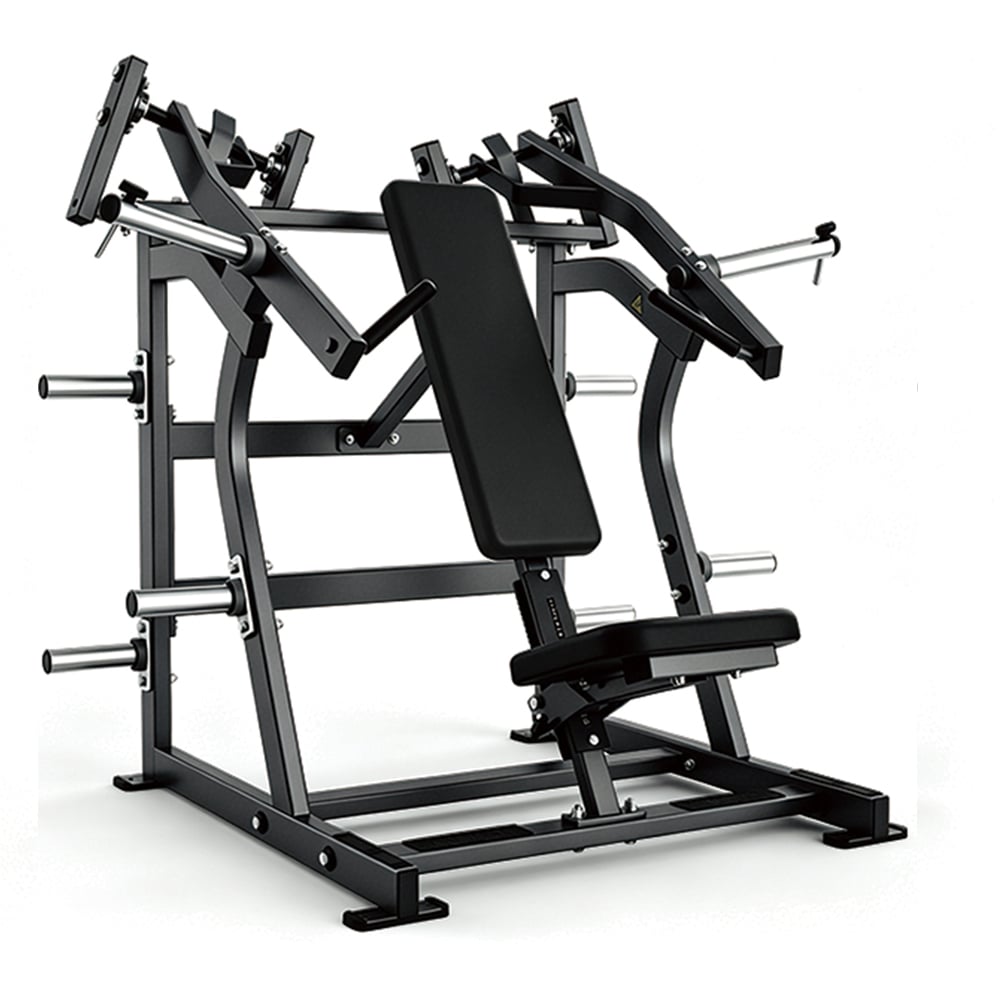
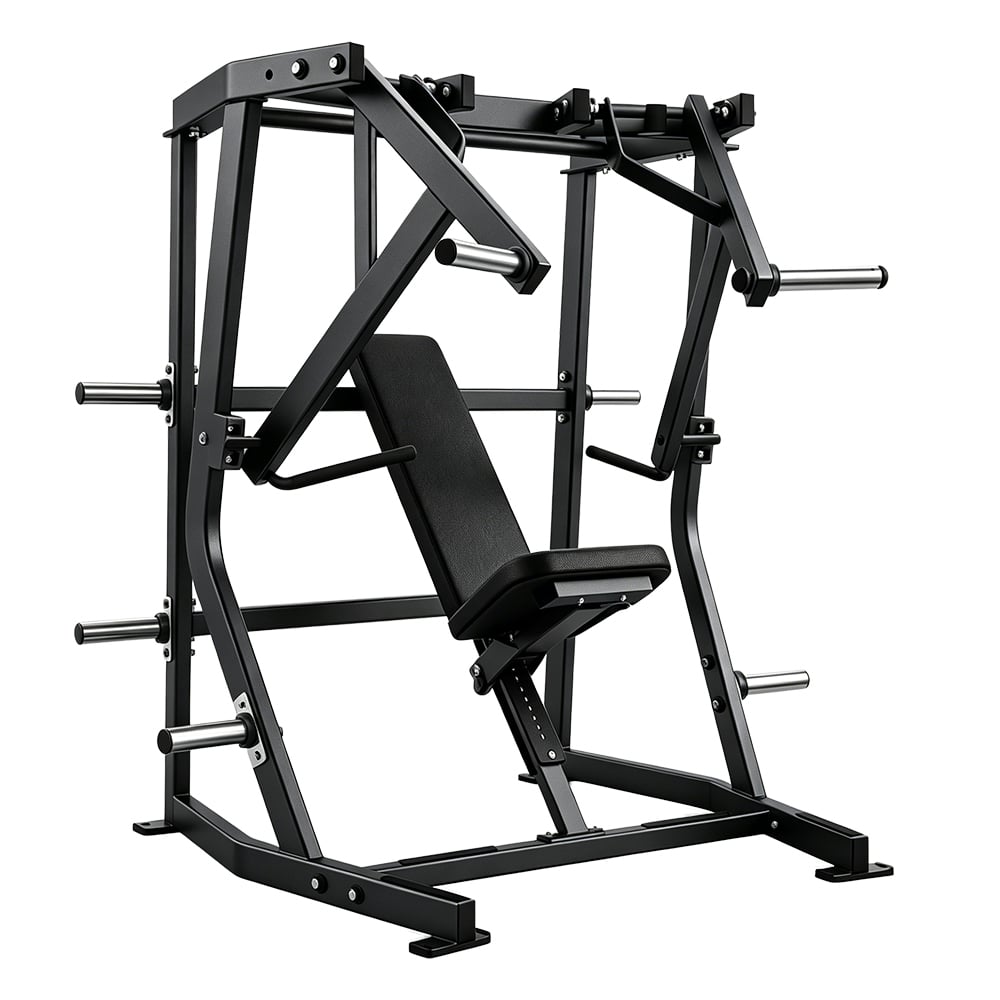
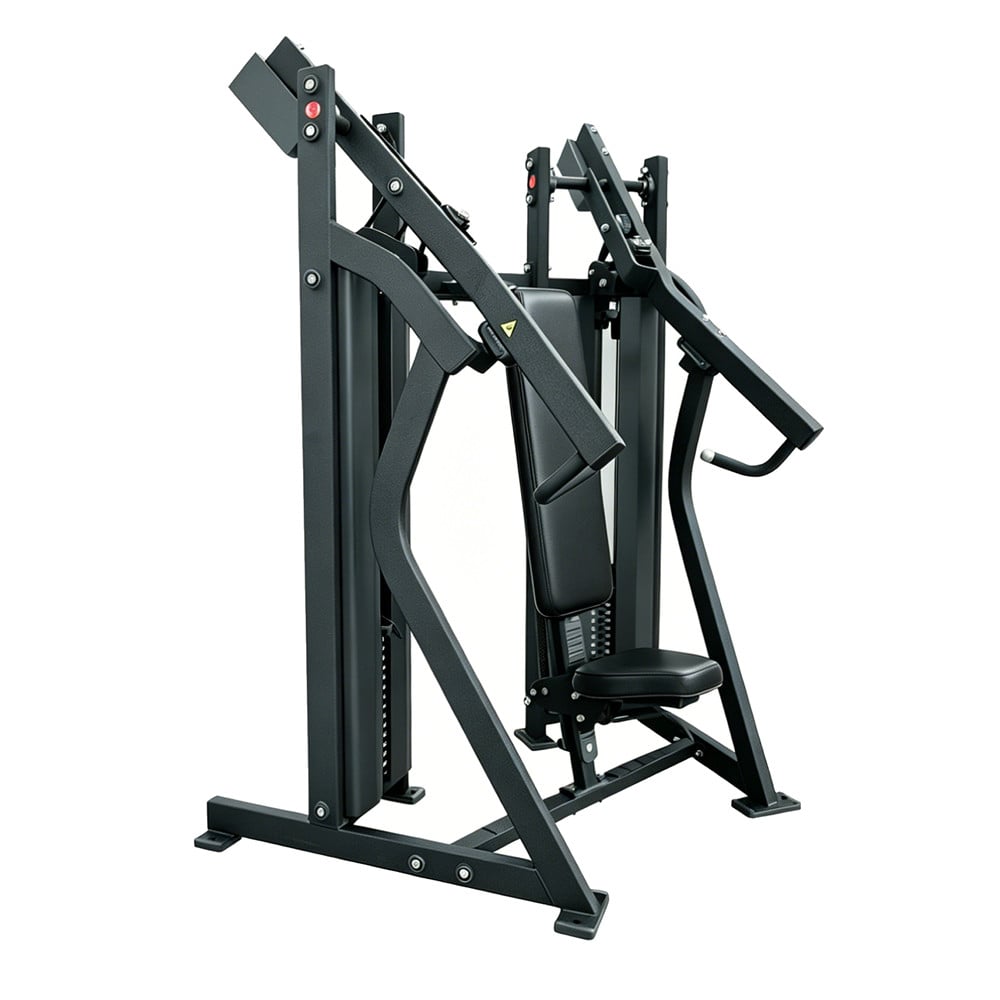
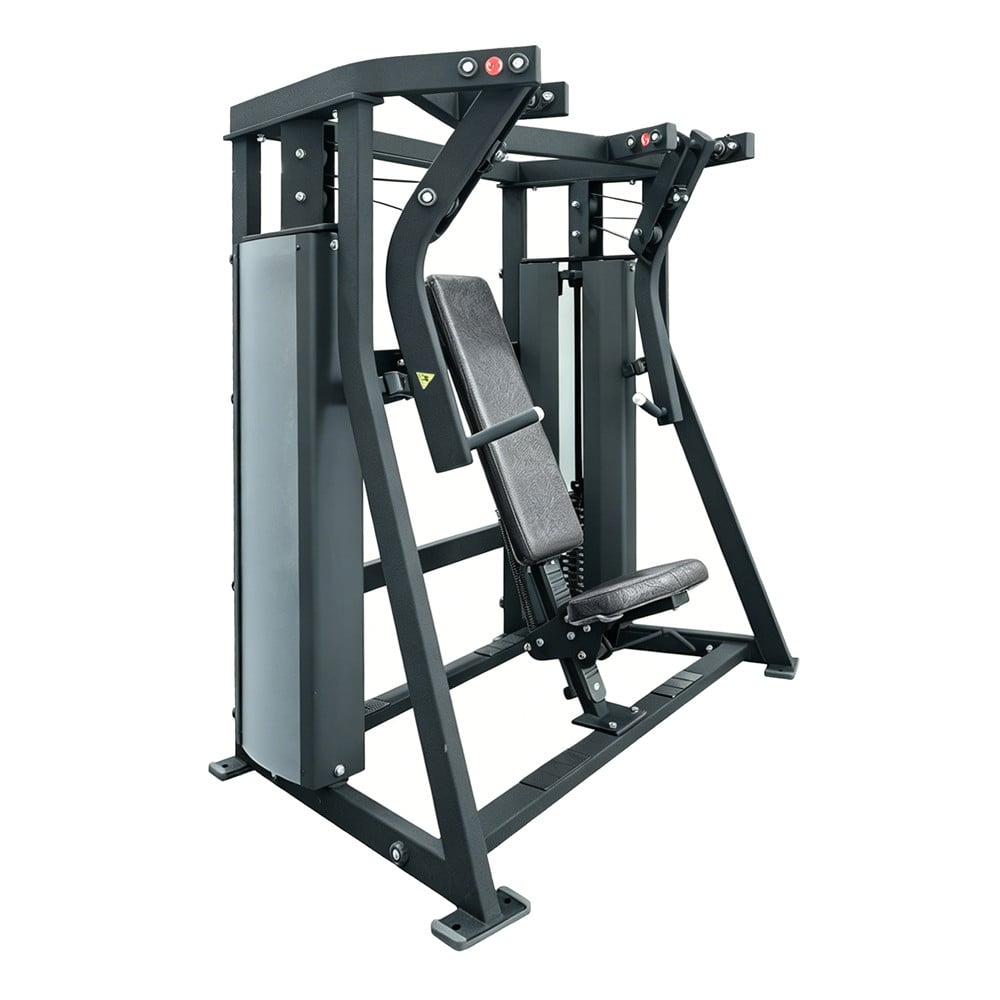
The plate loaded chest machine is a vital piece of fitness equipment designed to enhance upper body strength through resistance training. For B2B buyers, such as gym owners, fitness equipment distributors, and commercial fitness facility managers, understanding the intricacies of sourcing these machines is crucial. This article delves into key considerations such as product specifications, cost factors, installation guidance, common issues, and various applications to facilitate informed purchasing decisions.

Cost Factors When Sourcing Plate Loaded Chest Machines in Bulk

Cost Factors When Sourcing Plate Loaded Chest Machines in Bulk

Cost considerations play a significant role in B2B purchasing decisions. Here are some factors to take into account:

Material and Construction Quality: Higher-quality materials and robust construction will typically increase costs but also ensure longevity and reliability, reducing future replacement expenses.

Customization Options: Customized machines, such as those with specific colors or features tailored to your brand, may incur additional charges.

Minimum Order Quantity (MOQ): Many manufacturers have a MOQ for bulk orders, impacting the total cost. Be sure to negotiate terms that align with your budgetary constraints.

Shipping and Handling: Factor in shipping costs, which can vary based on the distance, weight, and size of the machines. Consider local manufacturers to reduce these costs.

Installation Services: Some suppliers offer installation services, which can save time and ensure proper setup. This may be a worthwhile investment if your team lacks the necessary expertise. For example, consider installation with Multifunctional Equipment to optimize your space.

Long-term Maintenance: Assess ongoing maintenance costs, such as replacement parts and servicing, which can add to the overall cost of ownership.

Installation Guidance for Plate Loaded Chest Machines in Commercial Spaces

Installation Guidance for Plate Loaded Chest Machines in Commercial Spaces

Proper installation is essential for the safe and effective operation of plate loaded chest machines. Here are steps to guide the process:

Preparation: Clear the installation area and ensure the floor is level. If the machine is particularly heavy, consider reinforcement options for the flooring to support the weight.

Assembly: Follow the manufacturer’s instructions meticulously. Ensure that all bolts and screws are tightened to prevent any malfunctions. If possible, have a qualified technician oversee the assembly.

Safety Checks: After assembly, conduct a thorough inspection to ensure all moving parts operate smoothly. Check for any loose components or misalignments.

User Instructions: Provide clear instructions for users, highlighting safety features and proper use to minimize the risk of injury.

Regular Maintenance: Establish a maintenance schedule to regularly inspect and service the machine, which will prolong its lifespan and maintain safety standards.

Common Problems with Plate Loaded Chest Machines and Their Solutions

Common Problems with Plate Loaded Chest Machines and Their Solutions

Understanding potential issues with plate loaded chest machines can help buyers mitigate risks. Common problems include:

Wear and Tear: Over time, machines may experience wear on moving parts, leading to reduced performance. Regular maintenance and timely replacement of worn components are crucial.

Improper Assembly: Misalignment during installation can lead to mechanical issues. Always refer to the assembly manual and consider professional installation if unsure.

User Misuse: Educate users on proper usage to prevent accidents and damage to the equipment. Offer training sessions or visual aids to reinforce correct techniques.

Rust and Corrosion: Machines exposed to moisture may develop rust. Ensure equipment is stored in a dry environment and consider machines with corrosion-resistant finishes.

Plate Jamming: Occasionally, weights can become stuck. Regularly inspect the weight stack for debris and ensure users understand how to adjust weights properly.

Applications of Plate Loaded Chest Machines in Various Fitness Settings

Plate loaded chest machines are versatile and can be utilized in diverse fitness environments, including:

Commercial Gyms: Ideal for general fitness enthusiasts, these machines cater to multiple skill levels, from beginners to advanced lifters, promoting a comprehensive workout experience.

Corporate Wellness Programs: Companies investing in employee wellness can benefit from these machines, encouraging staff to engage in strength training during breaks or after hours.

Physical Rehabilitation Centers: In rehabilitation settings, these machines can be adjusted for lower weights to aid recovery, helping patients regain strength safely and effectively.

Sports Training Facilities: Athletes can use plate loaded chest machines as part of their training regimen to enhance upper body strength, critical for various sports.

Home Gyms: With the growing trend in home fitness, these machines can be an excellent addition for those looking to maximize their strength training capabilities at home.

By considering these factors, B2B buyers can make informed decisions when sourcing plate loaded chest machines, ensuring they select the best equipment for their unique needs and applications.

What to Look For

When sourcing plate loaded chest machines, several critical specifications should be considered to ensure suitability for your facility. Key features include:

Weight Capacity: Ensure the machine can accommodate the maximum weight you anticipate your users will lift. Typically, this ranges from 200 to 1000 pounds, depending on the design.

Construction Materials: Look for machines made from high-quality steel frames for durability. The finish should be resistant to wear and tear, such as powder coating, which also enhances aesthetics.

Adjustability: Machines should offer various settings for users of different sizes and skill levels. This includes adjustable seat heights and arm positions.

Ergonomics: Comfort and safety are paramount. Handles should be designed for a natural grip, and padding should be sufficient to enhance user experience.

Space Requirements: Measure the dimensions of the machine, including the footprint and height, to ensure it fits within your intended space without compromising movement. Additionally, consider options like Series Strength Equipment that might better suit your facility layout.

Warranty and Support: A robust warranty and responsive customer service are indicators of a trustworthy manufacturer. Ensure you understand the terms and duration of the warranty.

Get a Free Quote

Our representative will contact you soon.
0/1000