Plate Loaded Hip Thrust Machine for Fitness Facilities

Kpeakfit, full-chain manufacturer with 10+ years & 90,000㎡ workshop.

Exhibit at IWF Shenzhen(H4A10) & WFF Shaoxing for global buyers.

Certified fitness gear, one-stop service for worldwide partners.

application/Plate-Loaded-Hip-Thrust-Machine, application/Plate-Loaded-Hip-Thrust-Machine, 
Inquiry
Inquiry

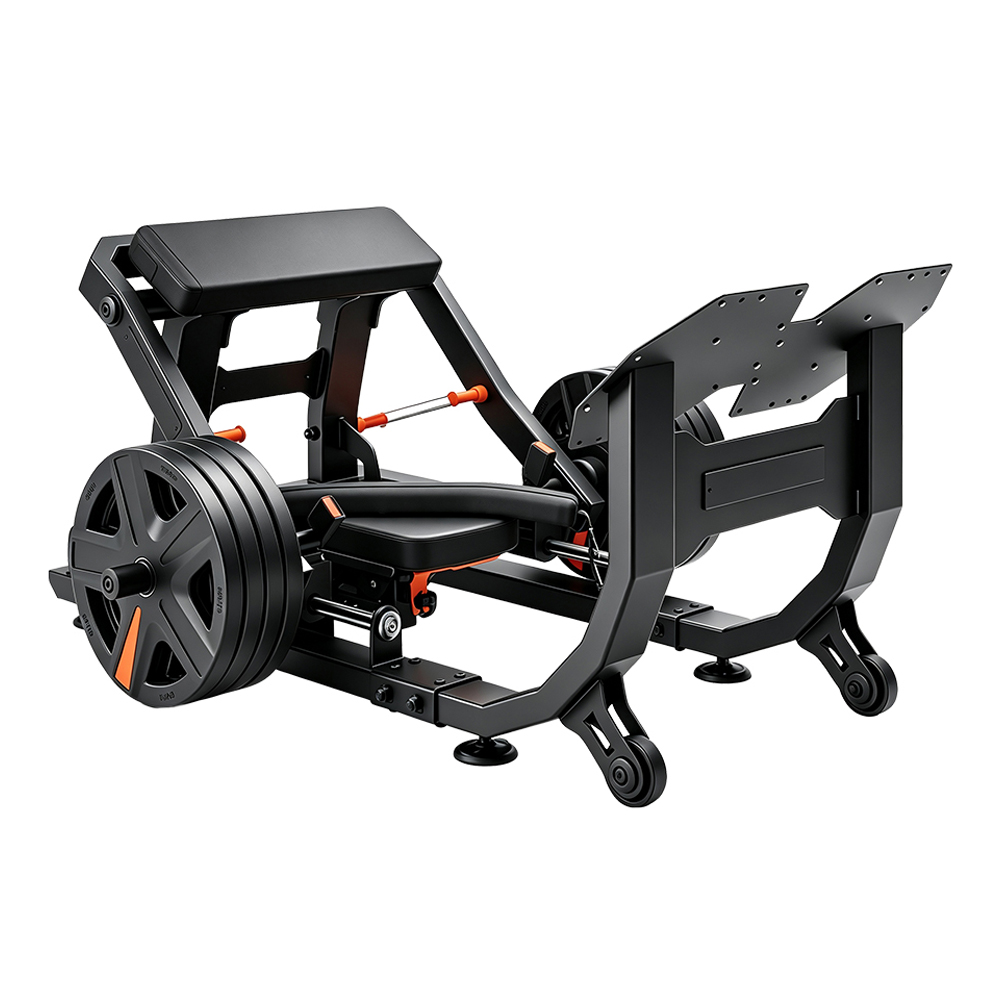
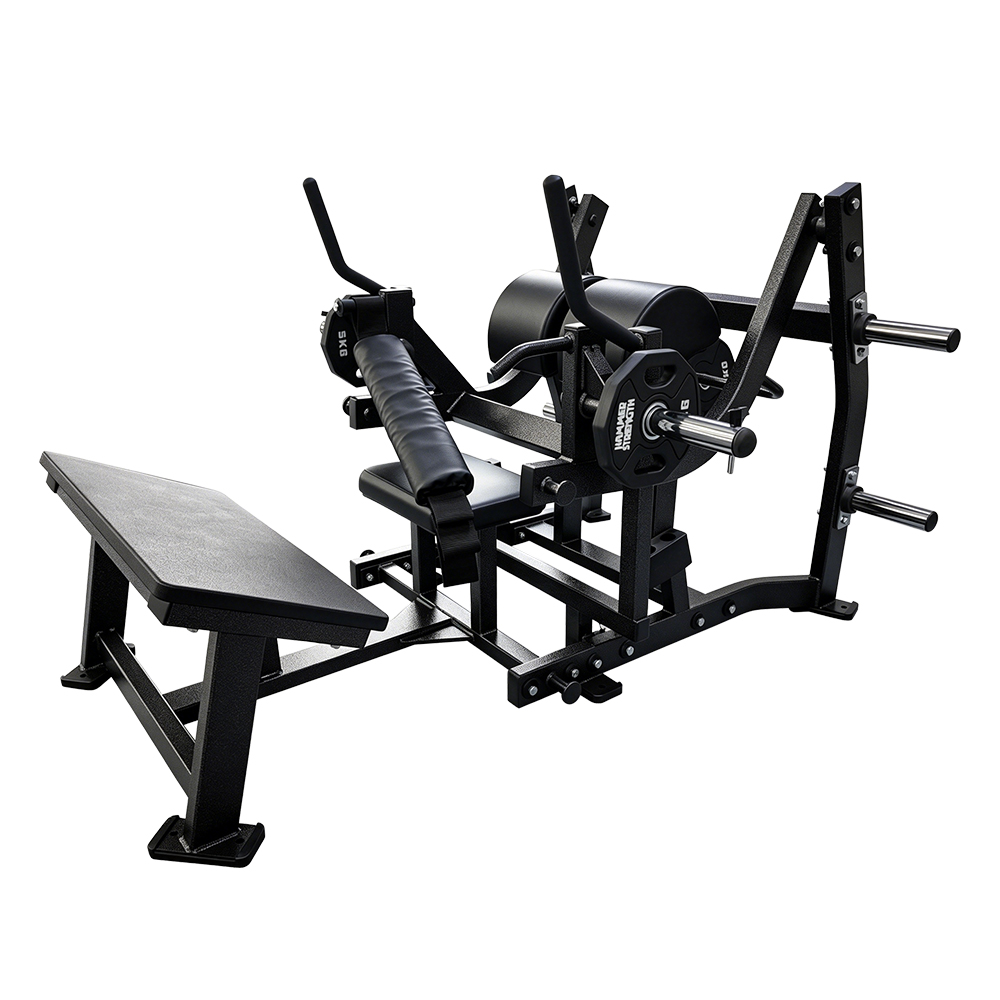
Plate Loaded Hip Thrust Machine

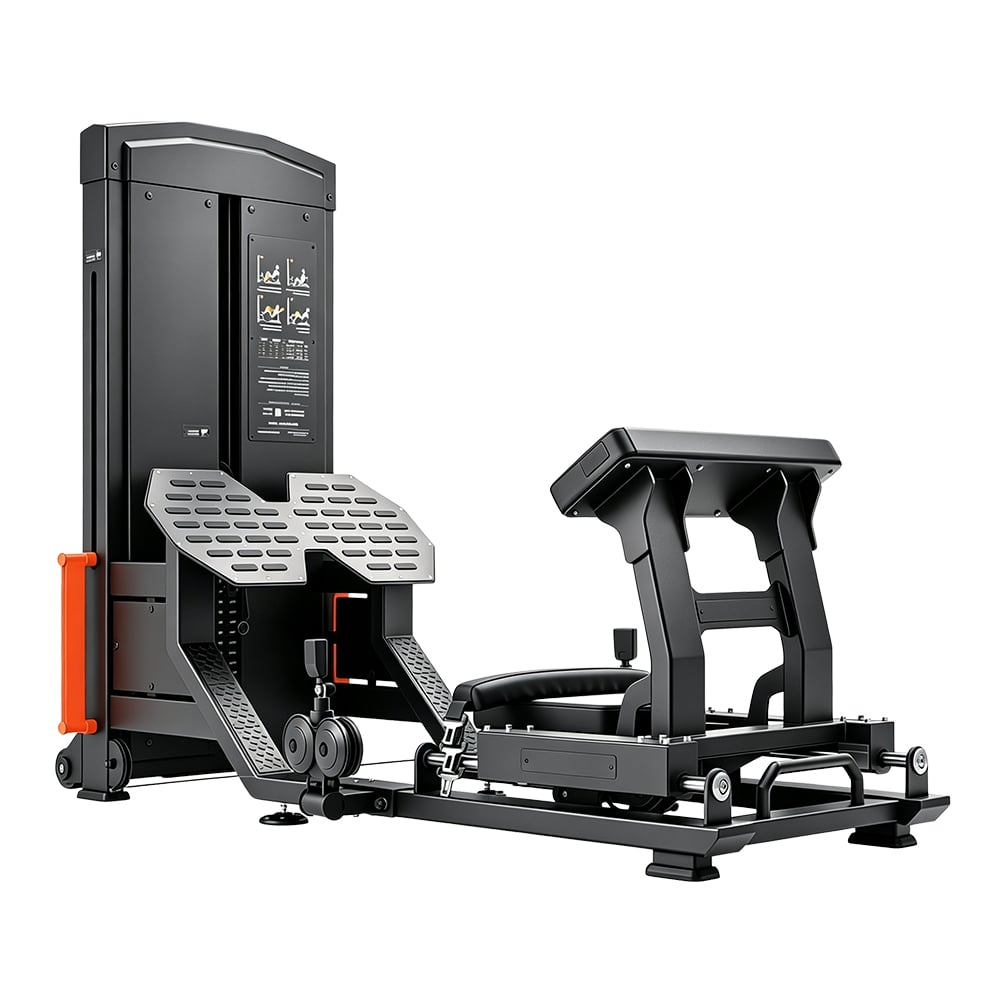
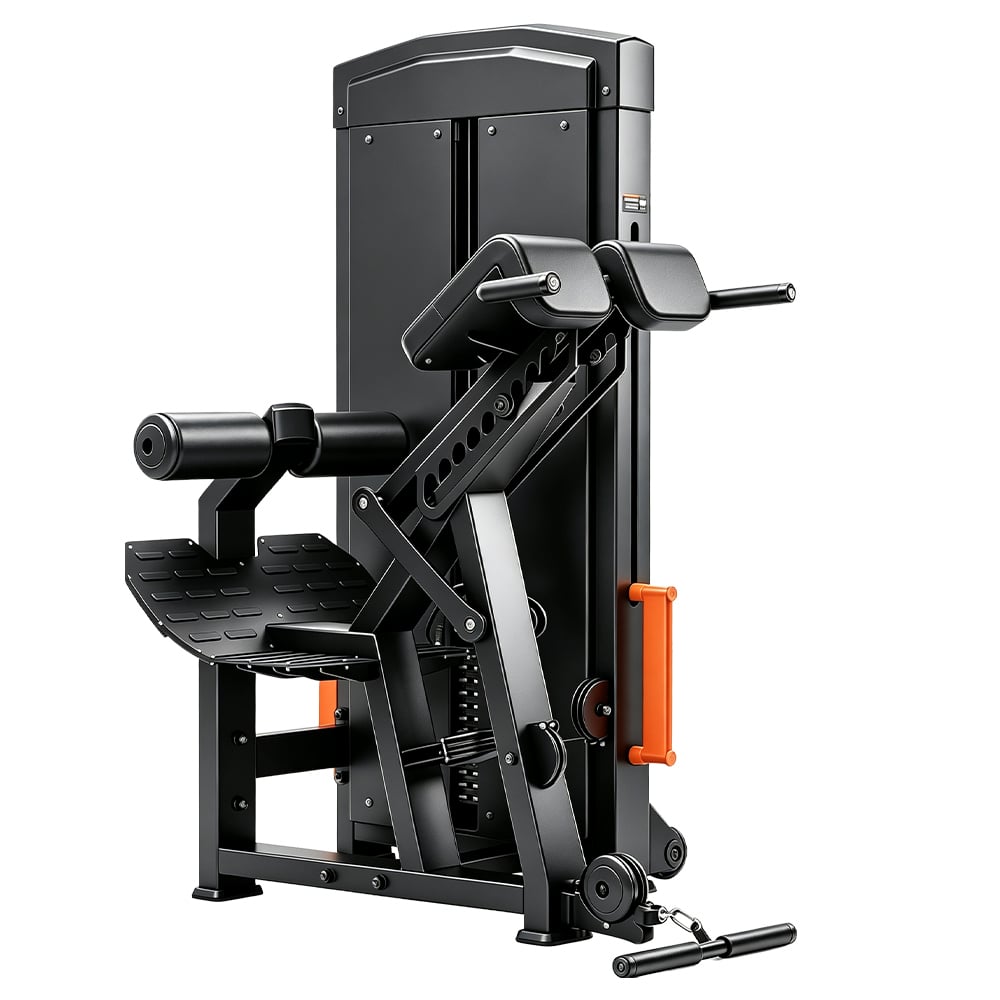
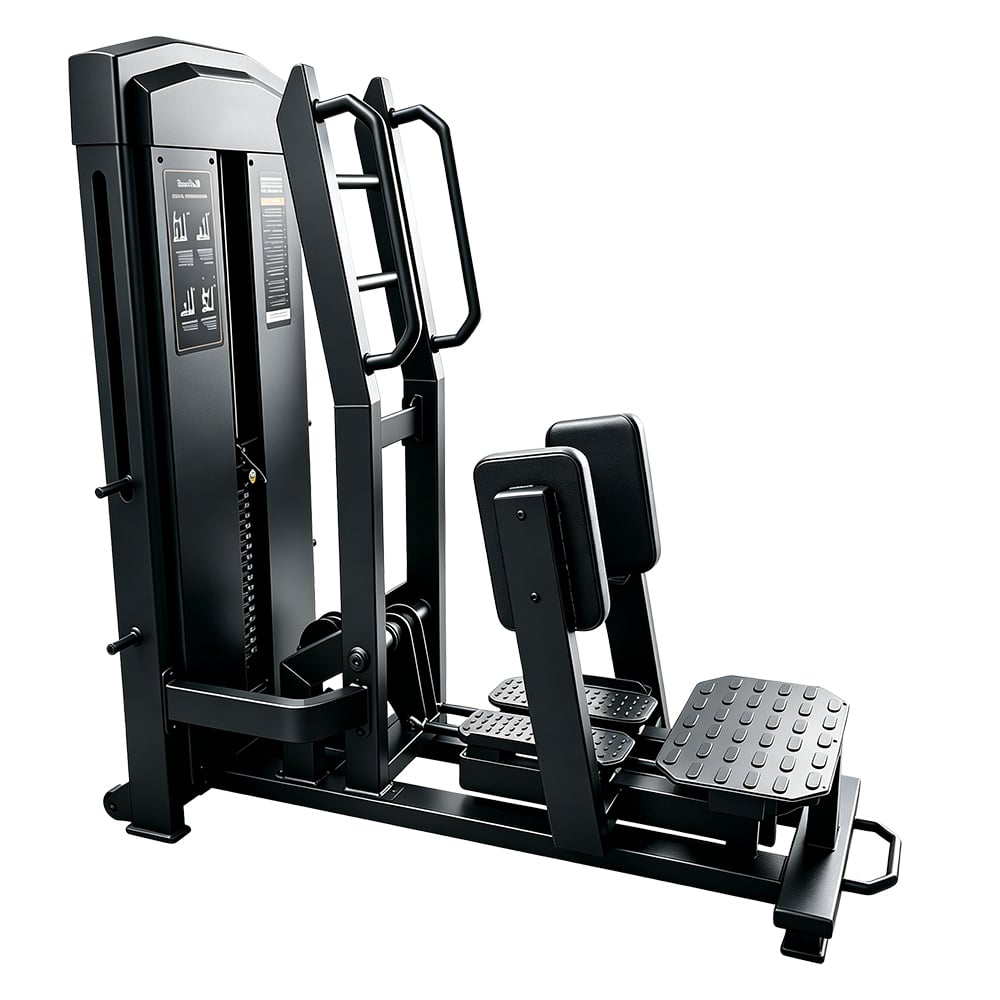
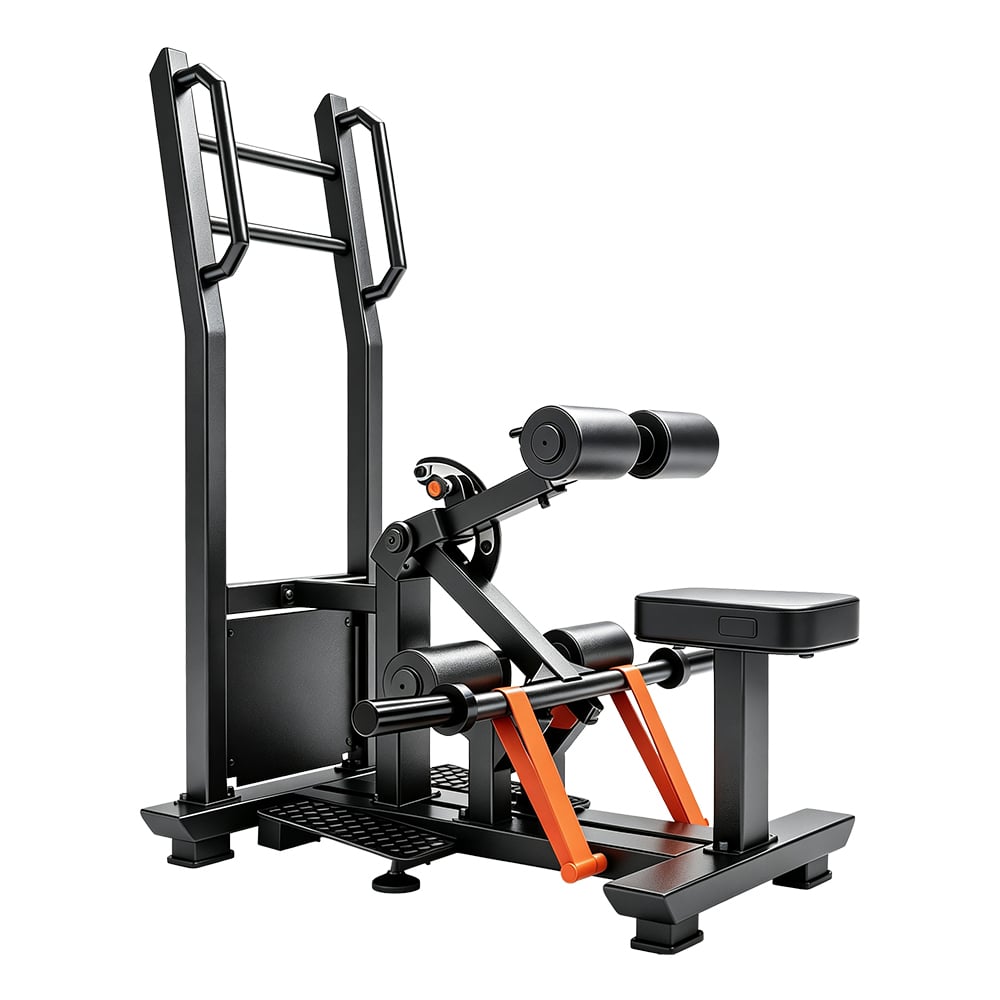
The Plate Loaded Hip Thrust Machine is an essential piece of fitness equipment designed to target the gluteal muscles effectively. As fitness facilities and personal trainers increasingly prioritize functional training, understanding the right specifications, installation, and maintenance of this machine becomes crucial for buyers. This article will guide purchasing managers, gym owners, and fitness distributors through key considerations for selecting a Plate Loaded Hip Thrust Machine, addressing common buyer concerns while providing practical insights into its technical specifications and operational requirements.

Technical Specifications of the Plate Loaded Hip Thrust Machine

Technical Specifications of the Plate Loaded Hip Thrust Machine

Understanding the technical specifications is crucial for ensuring the Plate Loaded Hip Thrust Machine meets performance and safety standards. Here are some key specifications to consider:

Dimensions: The footprint should be suitable for your available space. Typical dimensions are approximately 50 inches in length, 30 inches in width, and 36 inches in height, but this can vary by model.

Weight: A heavier machine provides stability during use. Most commercial-grade hip thrust machines weigh between 150 to 300 lbs.

Material Quality: The frame should be constructed from high-grade steel, with powder-coated finishes for corrosion resistance. This not only enhances durability but also impacts the aesthetic appeal.

Padding: Ensure that the cushioning on the seat and backrest is high-density foam, which provides comfort during workouts while maintaining its shape over time.

Load Mechanism: The machine should support plate loading with appropriate weight pins and safety features to secure weights effectively.

Installation Guidance for Your Plate Loaded Hip Thrust Machine

Installation Guidance for Your Plate Loaded Hip Thrust Machine

Installation is a critical step in ensuring the optimal performance of your Plate Loaded Hip Thrust Machine. Follow these guidelines for a successful setup:

Location: Choose a flat, stable surface with sufficient space around the machine for user movement. Consider proximity to other equipment to enhance the flow of your workout area.

Assembly Instructions: Follow the manufacturer's assembly instructions meticulously. Ensure that all bolts and screws are tightened to the specified torque to avoid issues during use.

Safety Checks: Once installed, conduct a thorough inspection of all components, including the frame, padding, and load mechanism. Check for any potential loose parts or misalignments.

User Training: Provide training for staff and users on how to operate the machine correctly. Proper instruction can help prevent misuse and injuries.

Common Problems with Hip Thrust Machines and Effective Solutions

Common Problems with Hip Thrust Machines and Effective Solutions

Despite their robust design, Plate Loaded Hip Thrust Machines can experience issues over time. Here are some common problems and recommended solutions:

Squeaking Noises: If the machine produces squeaking sounds during use, it may indicate a need for lubrication or tightening of connections. Regular maintenance checks can mitigate this issue.

Stability Issues: If the machine feels unstable, inspect the base for levelness and ensure that all components are securely fastened. Adjustments may be necessary to enhance stability.

Padding Wear: Over time, the padding may wear down. Regularly inspect the foam for tears or flattening and replace it as needed to maintain user comfort.

Weight Plate Compatibility: Ensure that the machine is compatible with standard weight plates. If users encounter difficulties loading or unloading weights, this can deter usage.

Understanding Cost Factors for Plate Loaded Hip Thrust Machines

The cost of a Plate Loaded Hip Thrust Machine can vary significantly based on several factors:

Quality of Materials: Higher-quality materials and construction often come at a premium. Investing in a well-constructed machine can reduce long-term maintenance costs.

Brand and Warranty: Established brands may charge more for their reputation and support services. Evaluate the warranty terms offered, as a longer warranty can provide peace of mind.

Customization Options: If your facility requires specific features or colors, customization may increase the base price. Discuss these options with the manufacturer to understand the implications on cost.

Shipping and Installation: Consider shipping costs and whether installation services are included or available for an additional fee. Shipping logistics can impact overall pricing, especially for larger machines.

Volume Discounts: If you are purchasing multiple units, inquire about bulk pricing or discounts. Manufacturers like XiaoKe Fitness Technology Co., Ltd. often provide better rates for larger orders. Additionally, consider incorporating versatile equipment like the BD1004 Hack Squat Trainer to optimize your offerings.

By considering these factors and leveraging the insights provided, B2B buyers can make informed decisions when selecting a Plate Loaded Hip Thrust Machine that aligns with their operational needs and budget constraints.

Choosing the Right Plate Loaded Hip Thrust Machine for Your Needs

Selecting the right Plate Loaded Hip Thrust Machine involves evaluating several key features that align with your specific application, user base, and space constraints. Consider the following factors:

User Capacity: Assess the maximum weight capacity of the machine. A higher weight limit is essential for accommodating a diverse clientele, from beginners to advanced athletes. Typically, machines range from 400 lbs to over 1,000 lbs.

Adjustability: Look for models that offer adjustable settings for different user heights and workout preferences. This ensures that your equipment can cater to a wider audience, enhancing user experience.

Footplate Design: The footplate should provide adequate surface area and grip, allowing users to perform hip thrusts safely. A non-slip surface is essential to prevent accidents during heavy lifting.

Construction Quality: Machines should be built with high-strength steel and durable coatings to withstand frequent use in a commercial setting. Inspect for weld integrity, frame stability, and the quality of moving parts.

Brand Reputation: Partnering with reliable manufacturers like XiaoKe Fitness Technology Co., Ltd. can ensure a high-quality product with consistent performance and after-sales support. Consider options like the BD1005 Hip Push Trainer for enhancing your gym's offerings.

Frequently Asked Questions

What are the key features of the Plate Loaded Hip Thrust Machine?

Sturdy plate-loaded design, adjustable range of motion, ergonomic pad, heavy-duty steel frame, anti-slip foot platform, and smooth pivot for stable, targeted glute and hip training.
Constructed from high-strength steel with corrosion-resistant finish, reinforced welds, high-density padding, and precision-machined pivots for durable, factory-grade performance.
Compact footprint suitable for commercial gyms; specific dimensions and max weight capacity are provided on request and tailored models, typically supporting heavy plate loads for advanced training.
We offer professional assembly guidance and installation support. Detailed manuals and technical assistance are available; onsite installation can be arranged where required.
We provide warranty coverage and responsive after-sales support, including spare parts, technical troubleshooting, and maintenance guidance to ensure long-term stable performance.

Get a Free Quote

Our representative will contact you soon.
0/1000