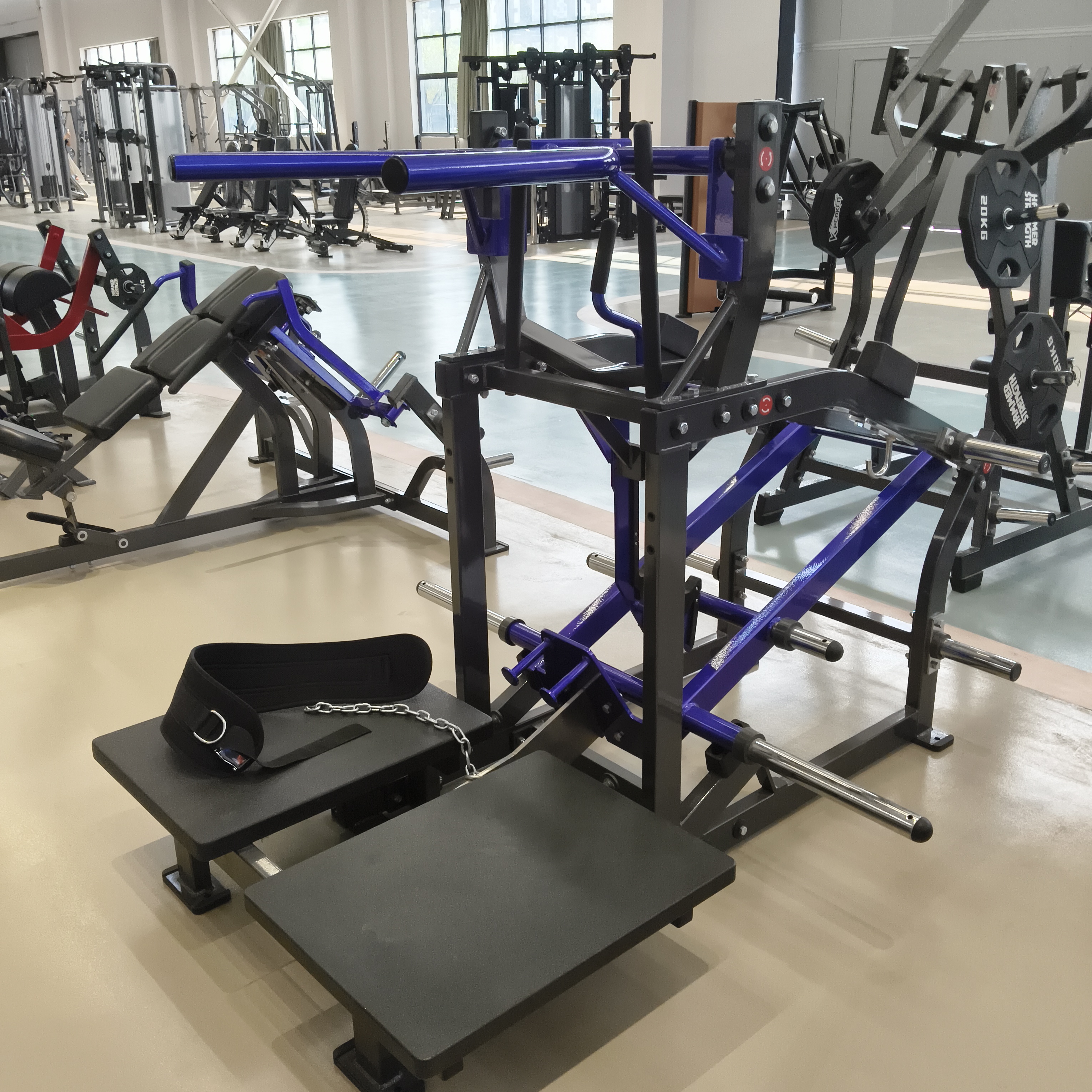
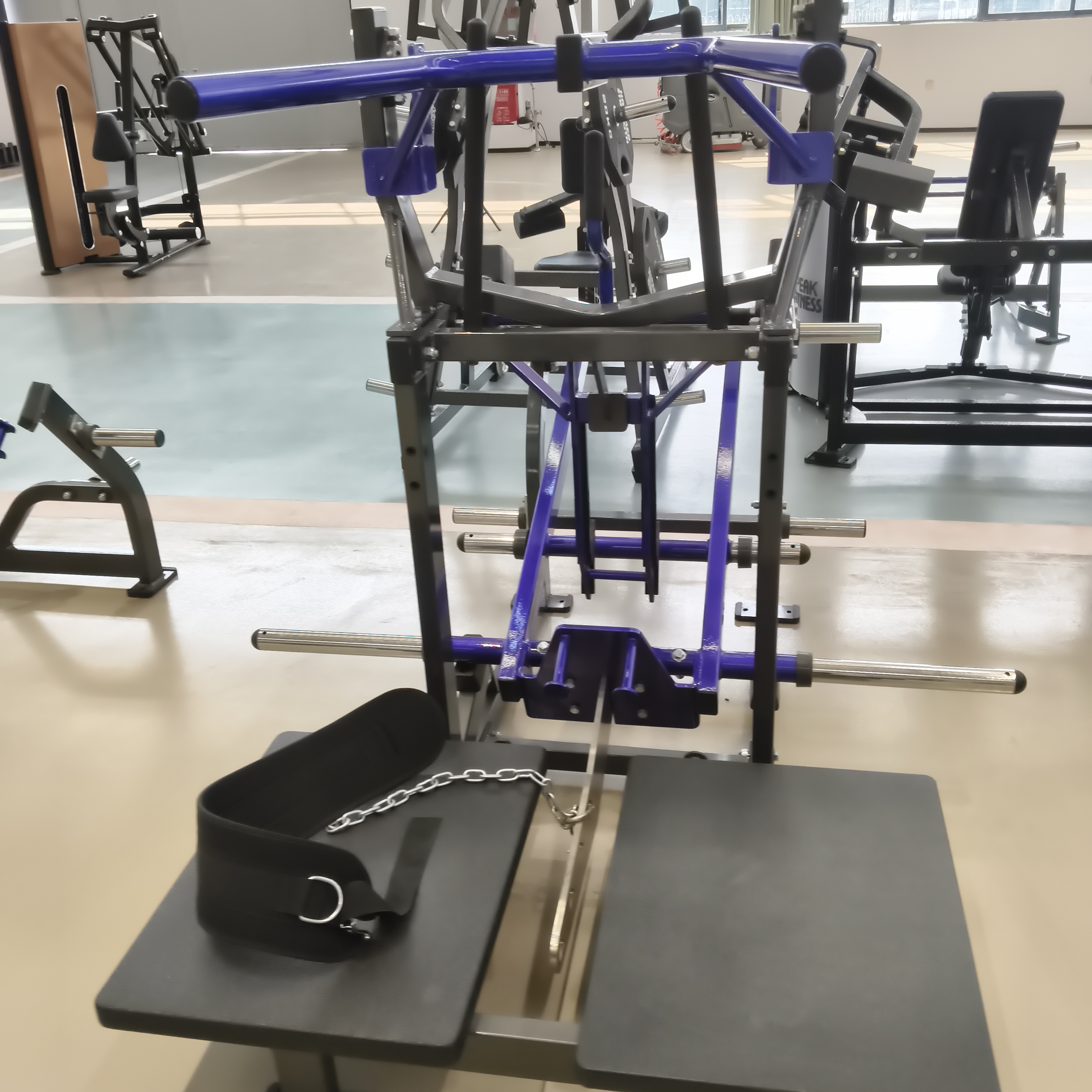
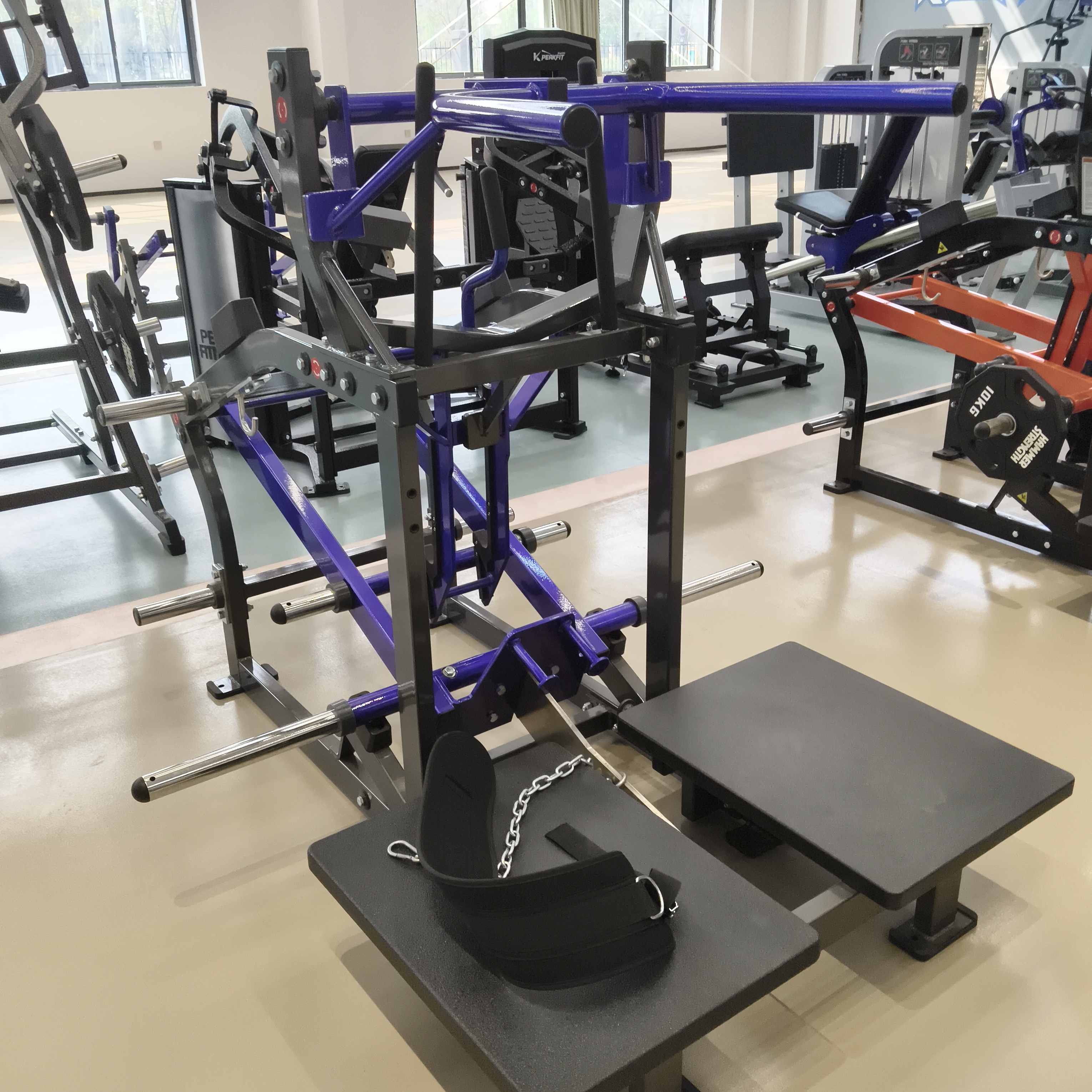
Essential Insights on Plate Loaded Machines

Kpeakfit, full-chain manufacturer with 10+ years & 90,000㎡ workshop.

Exhibit at IWF Shenzhen(H4A10) & WFF Shaoxing for global buyers.

Certified fitness gear, one-stop service for worldwide partners.

application/plate-loaded, application/plate-loaded, 
Inquiry
Inquiry

plate loaded

Plate loaded machines are an essential component in the fitness equipment landscape, designed to enhance strength training through a more controlled and stabilized lifting experience. For B2B buyers—such as purchasing managers, gym owners, and fitness equipment distributors—understanding the intricacies of plate loaded machines is crucial. This article will cover key specifications, installation guidance, common problems, purchasing strategies, and diverse applications of plate loaded equipment, providing insights needed to make well-informed decisions.

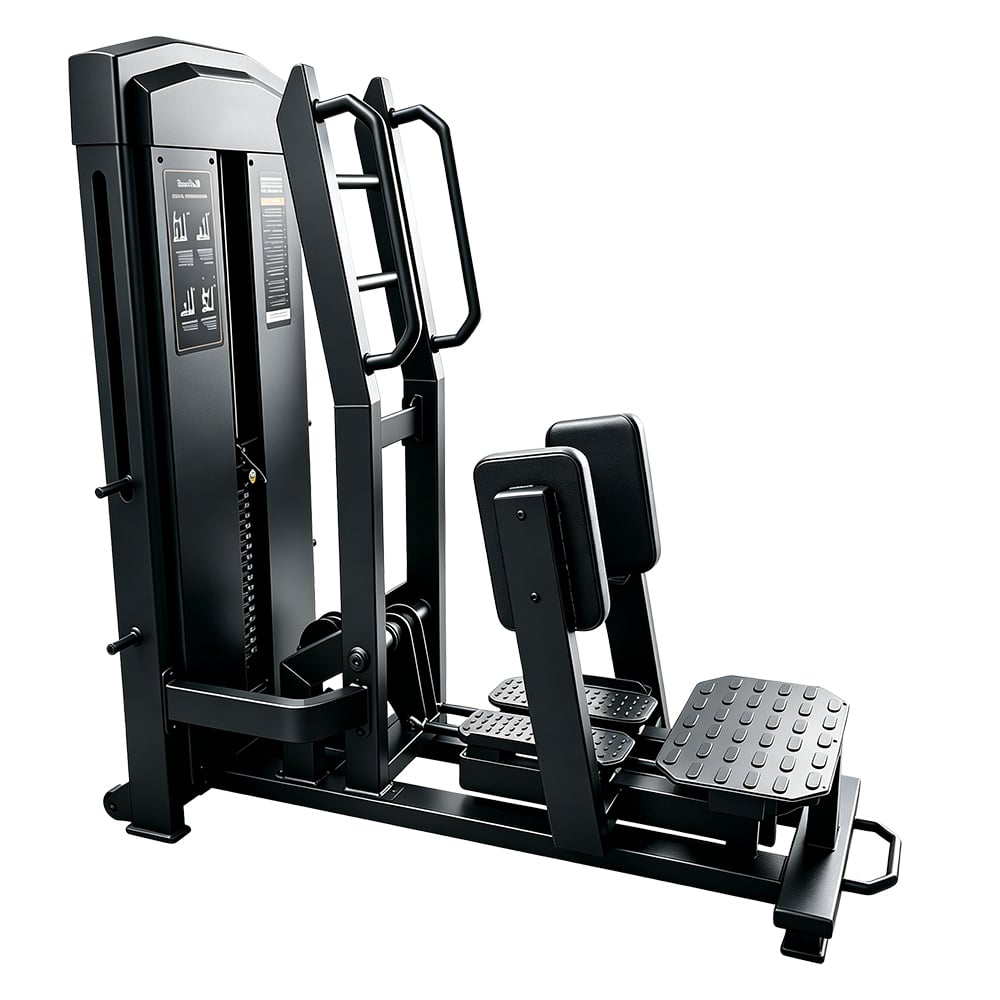
Installation Guidance for Plate Loaded Equipment in Commercial Spaces

Installation Guidance for Plate Loaded Equipment in Commercial Spaces

Proper installation is critical to the performance and safety of plate loaded machines. Begin by identifying a suitable location that allows for adequate space around the equipment, facilitating safe usage and movement. This space should ideally include a minimum clearance of three feet on all sides.

Next, verify that the flooring can support the weight and provide stability. Rubber flooring or similar materials can help absorb shock and protect both the equipment and the floor.

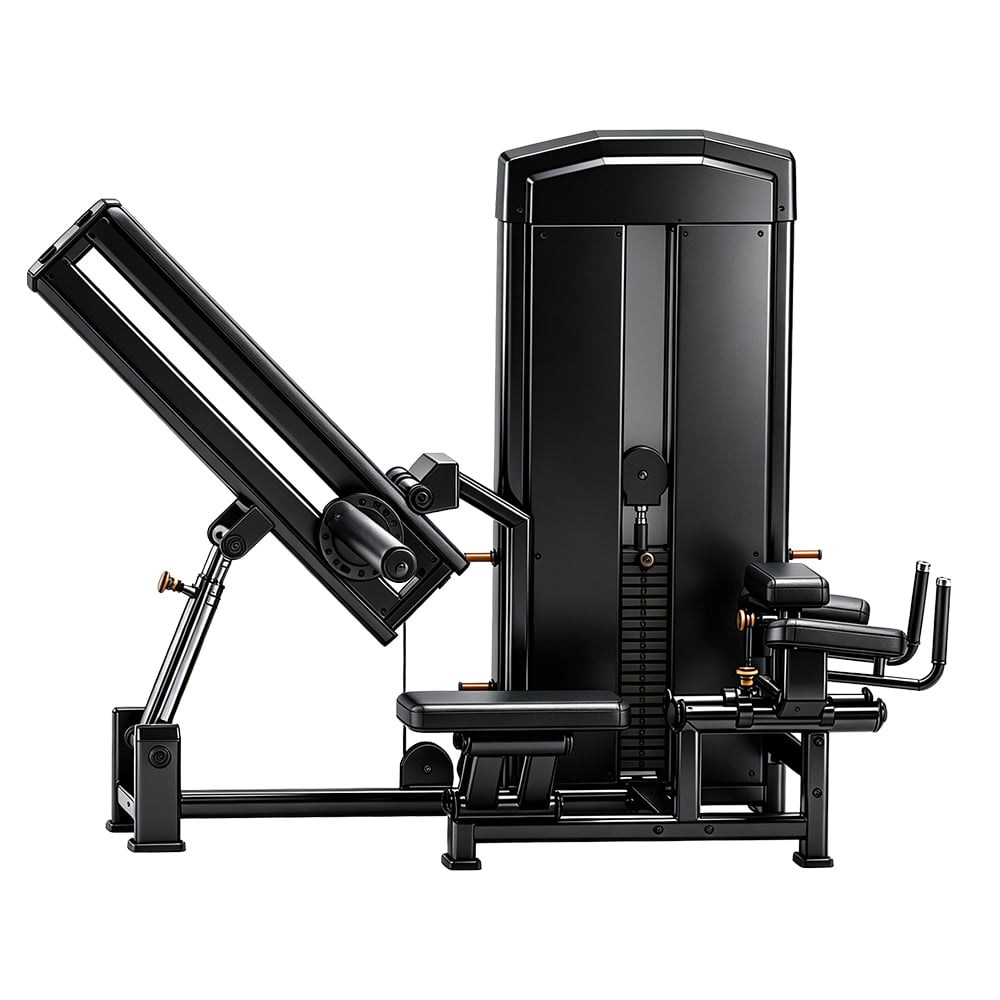
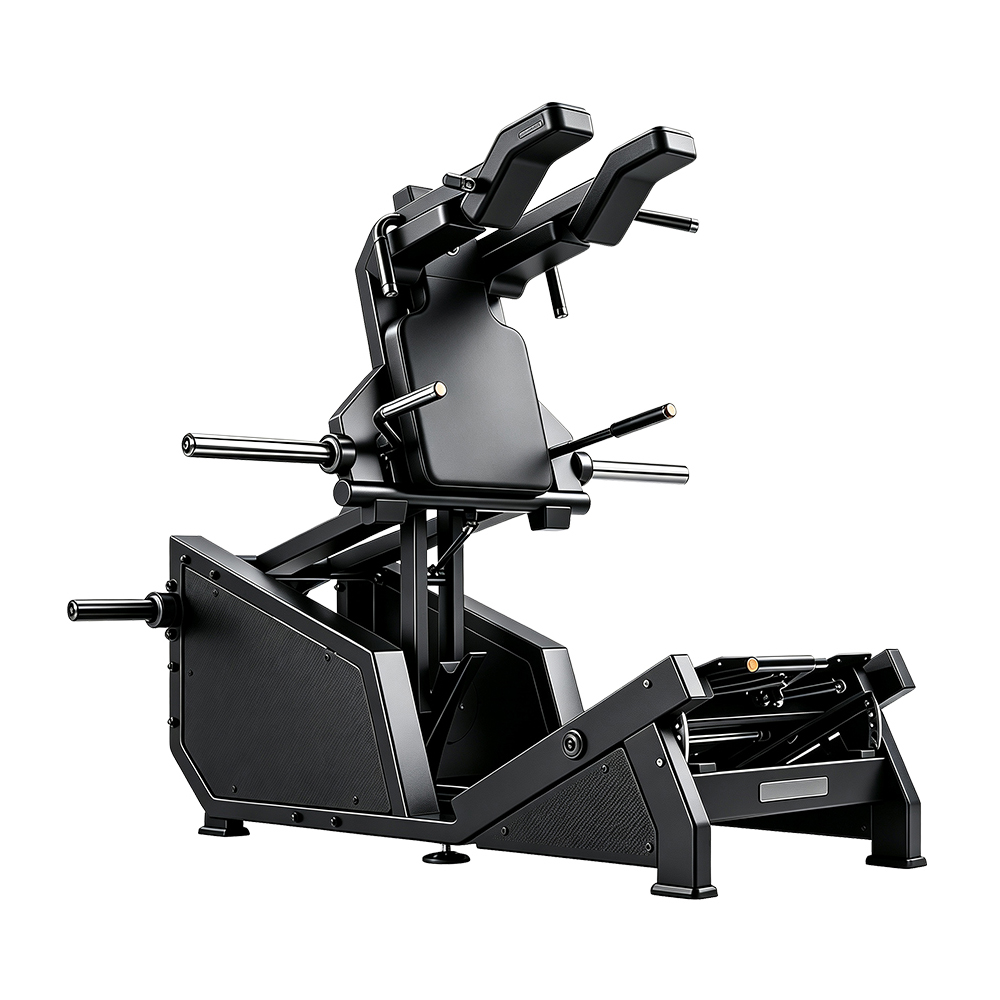
Before installation, it is advisable to review the manufacturer's installation manual for specific requirements and recommendations. Some machines may require assembly upon delivery, so consider having trained personnel handle this to avoid potential mishaps. Equipment such as the BD1004 Hack Squat Trainer may have specific assembly needs that should be addressed.

Lastly, once installed, conduct a thorough inspection to ensure all components are secure and functioning as intended. Regular maintenance checks should be scheduled to keep equipment in optimal working condition.

Common Problems with Plate Loaded Machines and Effective Solutions

Common Problems with Plate Loaded Machines and Effective Solutions

Despite their robust design, plate loaded machines can encounter several common issues. One frequent problem is worn bearings or components, which can lead to decreased performance and safety risks. Regular maintenance, including lubrication and inspection of moving parts, can significantly extend the machine's lifespan.

Another issue may arise from improper alignment. Misalignment can lead to uneven wear and tear or even accidents during use. To mitigate this, ensure that all machines are installed according to the manufacturer's specifications and perform periodic alignment checks.

User misuse is another concern. Educating users on the correct usage protocols can prevent damage and ensure safety. Providing clear instructional signage on each machine can aid in user understanding.

Finally, if you notice an unusual noise or resistance during operation, it may indicate a deeper mechanical issue. In such cases, consult the manufacturer for troubleshooting guidance or repairs.

Maximizing Value When Purchasing Plate Loaded Gear

Maximizing Value When Purchasing Plate Loaded Gear

To maximize value when purchasing plate loaded machines, start by researching multiple suppliers. Request quotations from various manufacturers and compare specifications, prices, and lead times. Be clear about your needs, including required features, load capacities, and potential customization options.

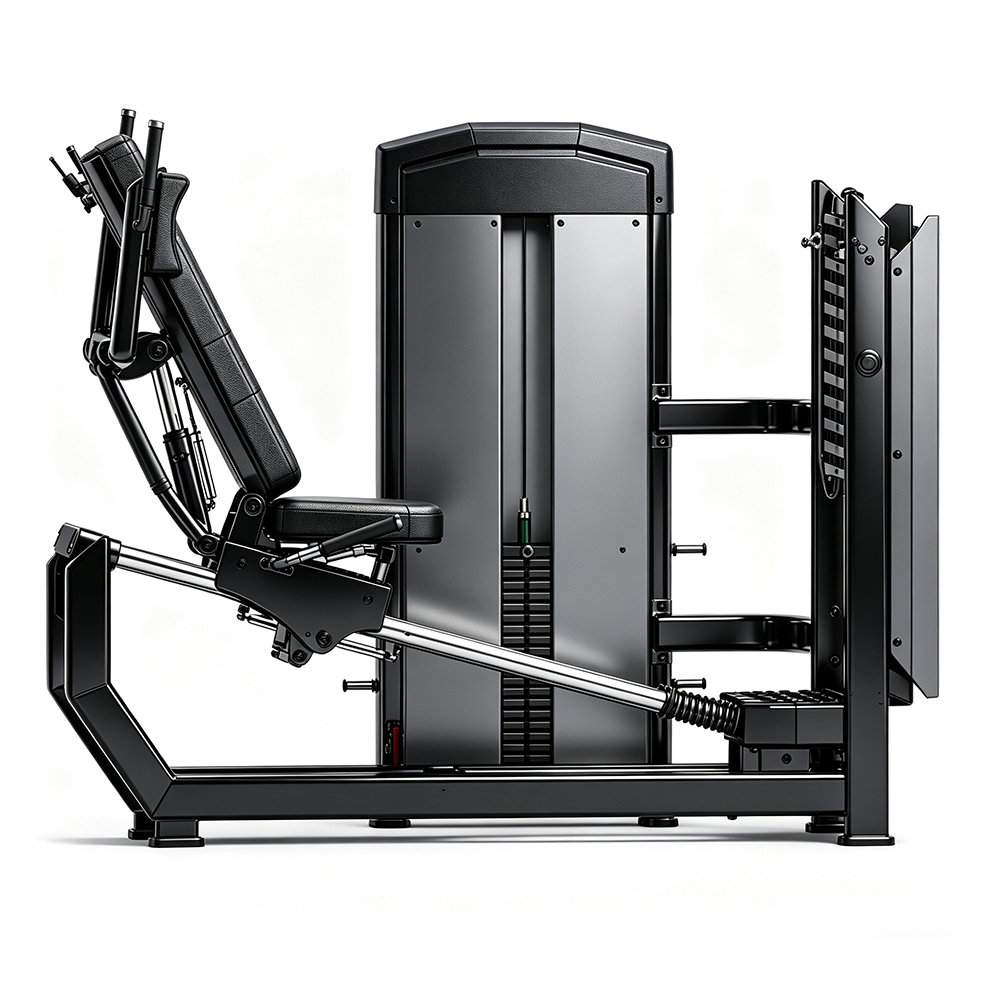
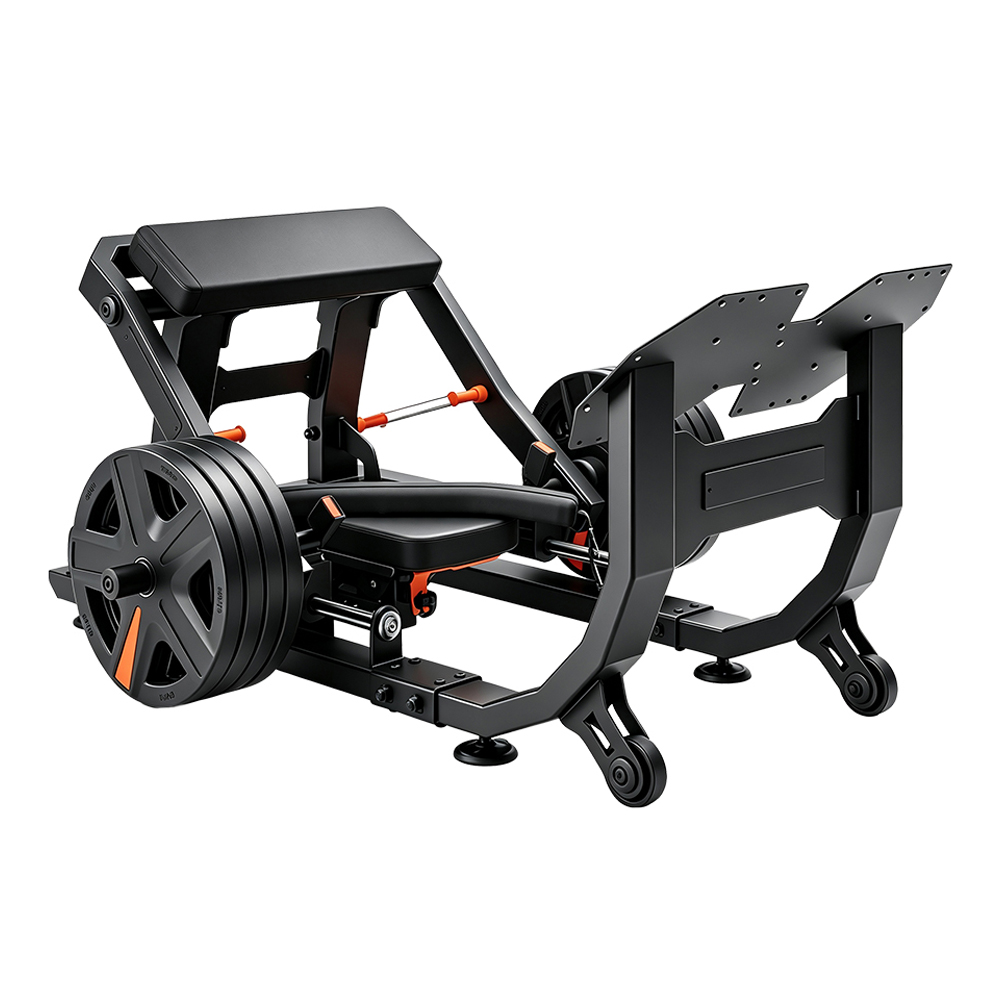
Consider the total cost of ownership rather than just the initial purchase price. This includes maintenance costs, potential downtime, and replacement parts. Investing in higher-quality machines, such as the BM1015 Leg Press Machine, may incur a higher upfront cost but can lead to long-term savings through durability and reduced maintenance needs.

Additionally, inquire about bulk purchasing discounts or financing options if you’re looking to purchase multiple units. Some suppliers may offer promotional deals or warranties that provide further value.

Finally, always request samples or demonstrations where possible. This allows you to assess the equipment's functionality and ensure it meets your quality standards before committing to a larger order.

Applications of Plate Loaded Equipment in Diverse Fitness Environments

Plate loaded machines find utility across various fitness environments, from commercial gyms to rehabilitation centers. In commercial settings, they are ideal for common strength training exercises, providing users with a reliable way to build muscle and strength while minimizing injury risks.

In rehabilitation environments, these machines can be adapted for lower-weight exercises, allowing patients to regain strength safely. The adjustable nature of many plate loaded machines makes them versatile for various therapy regimens.

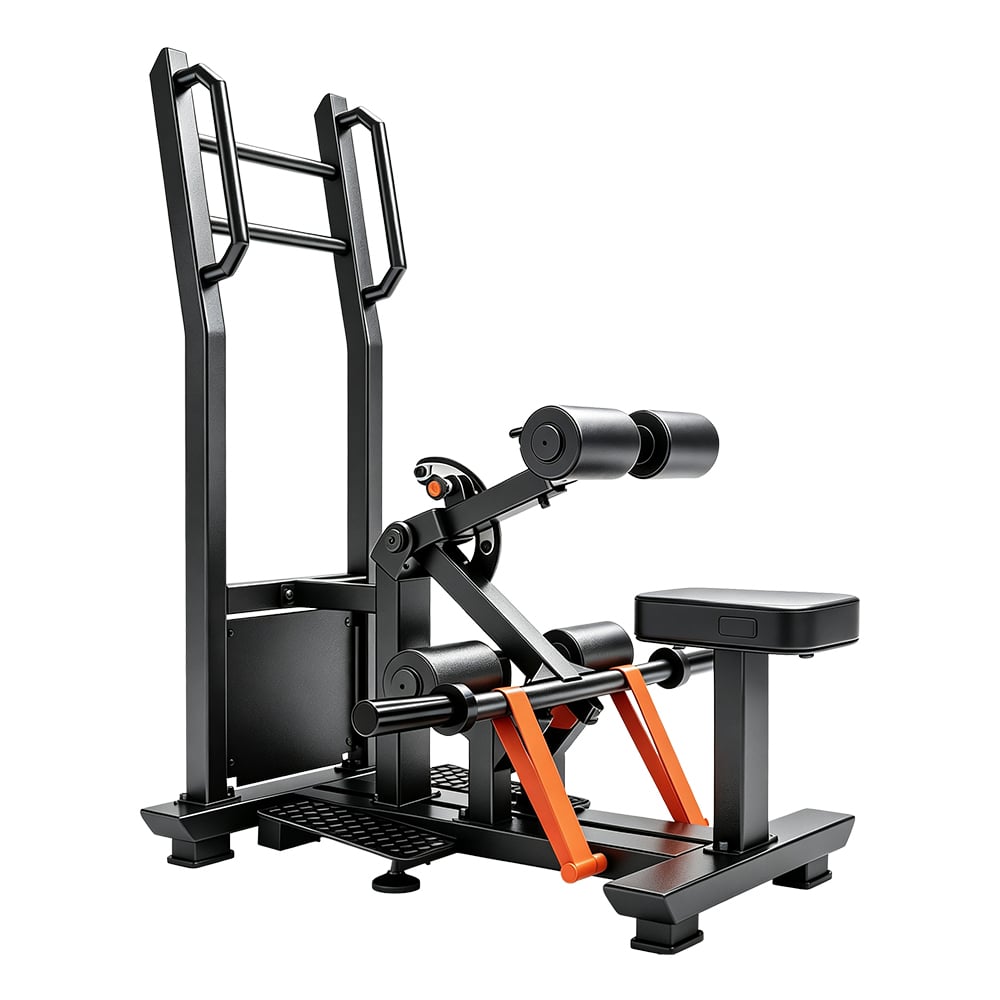
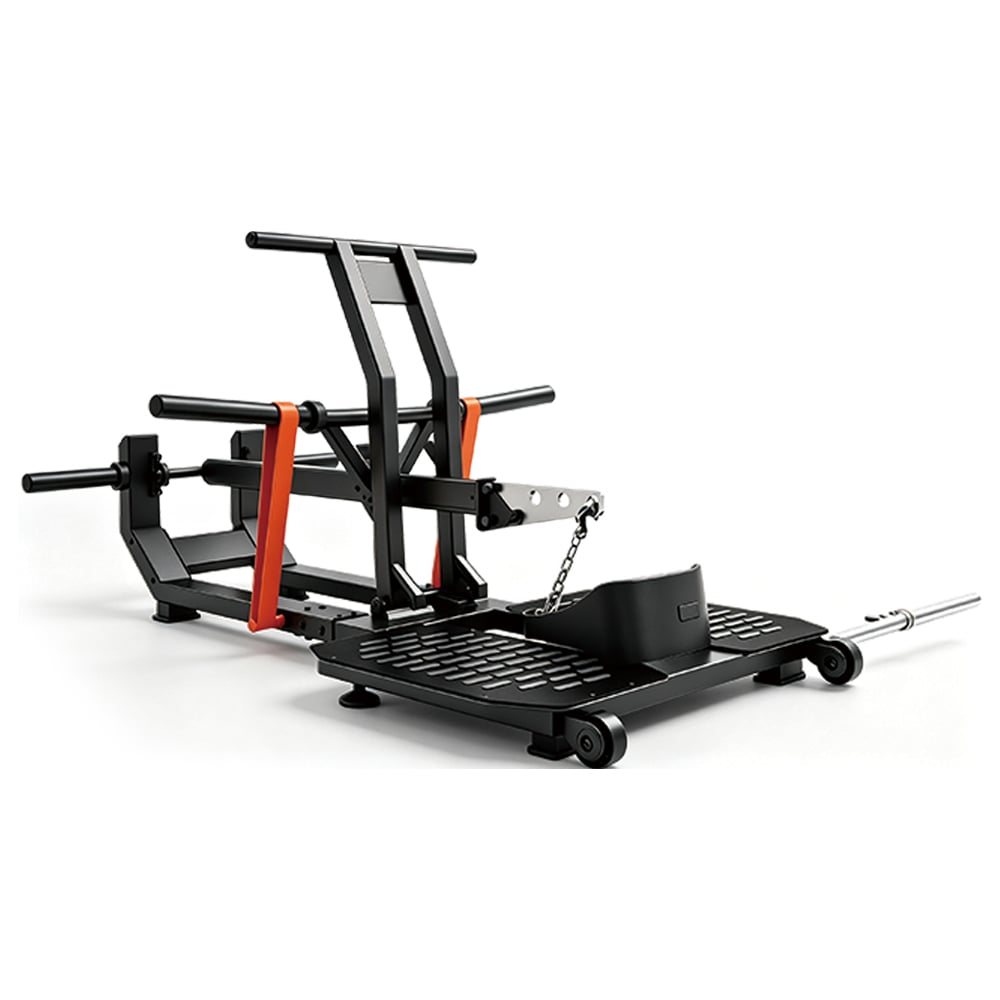
Moreover, in home gyms, space-efficient plate loaded machines can cater to serious fitness enthusiasts who require equipment that can handle heavy loads while providing stability and safety. For instance, the BM1008 Back Muscle Trainer is perfect for home setups.

Understanding the diverse applications of plate loaded equipment helps buyers match the right machines to specific market needs, ultimately driving better user satisfaction and business success.

Key Specifications to Consider When Sourcing Plate Loaded Machines

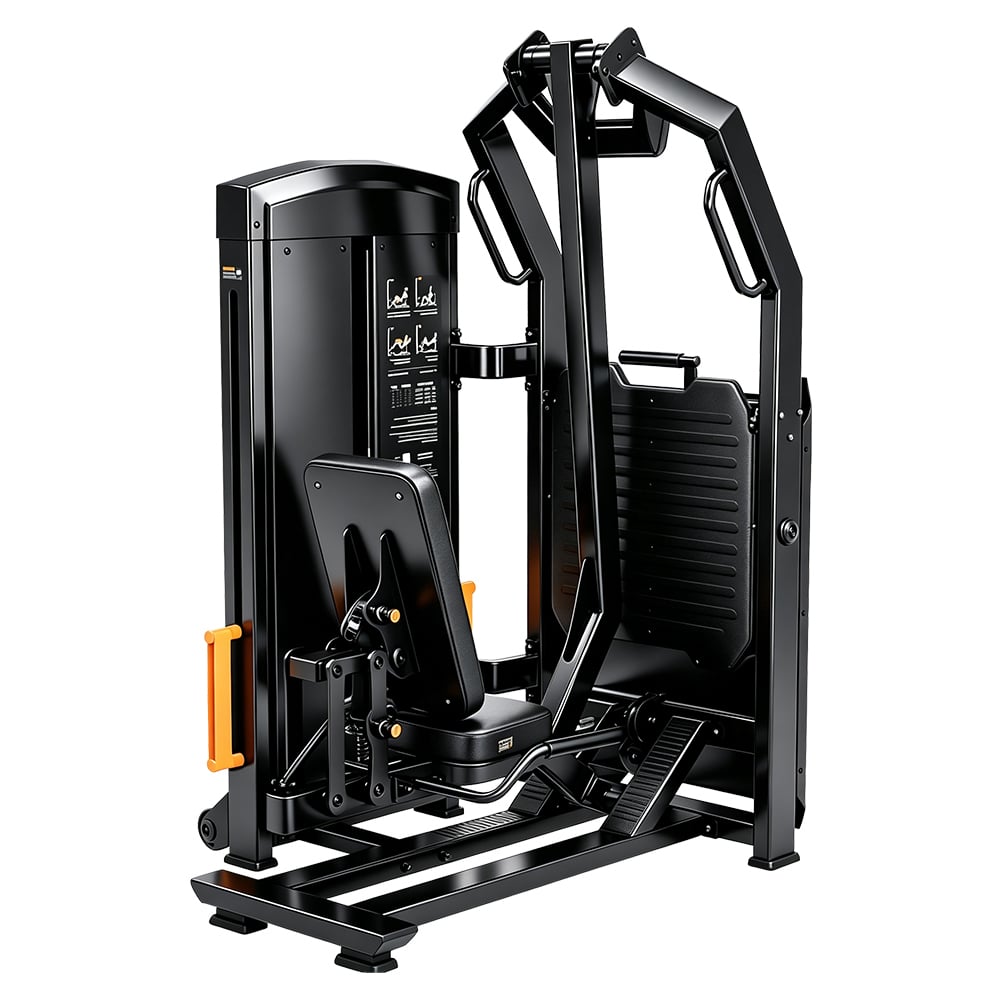
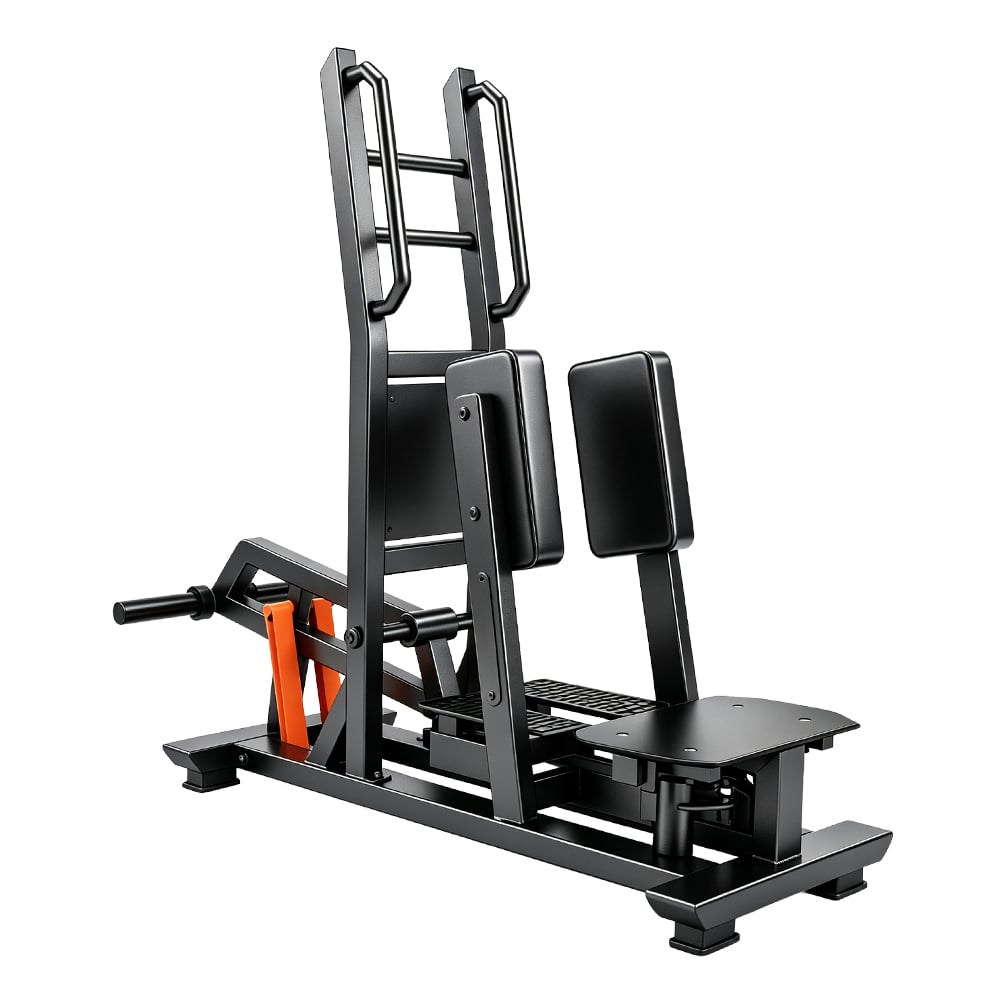
When sourcing plate loaded machines, several specifications demand careful consideration to ensure they meet your operational needs. First, load capacity is paramount. This specification determines how much weight the machine can safely handle, which is crucial for client safety and workout effectiveness. Generally, higher load capacities are preferable, especially for commercial gyms. For instance, the BD1005 Hip Push Trainer has an excellent load capacity suitable for various fitness levels.

Next, dimensions should align with your available space and intended use. Consider the machine's footprint, height, and width, as these will affect how many units can fit within your facility. Additionally, the weight of the machine itself can influence shipping costs and installation logistics.

The material used in construction affects durability and maintenance. Look for machines made from high-quality steel or durable composites that can withstand heavy use. Finish and corrosion resistance are also important; machines with powder-coated finishes often offer better longevity in busy environments.

Don’t overlook ergonomic design. Machines that facilitate natural movement patterns can enhance user experience and reduce injury risk. Finally, inquire about certifications that validate safety and quality standards, ensuring that the machines comply with industry regulations.

Frequently Asked Questions

What is a plate loaded machine?

A plate loaded machine uses free weights (weight plates) attached to a lever or sled to provide resistance, offering a stable, joint-friendly way to perform compound and isolation strength exercises.
We use high-grade steel, precision welding, and durable finishes made on advanced automated lines to ensure structural strength, corrosion resistance, and consistent quality.
Yes. Built in a 90,000 m² facility with high-precision manufacturing, our plate loaded machines are designed for heavy daily use in commercial and professional fitness environments.
Yes. We offer customization in frame color, upholstery, logo placement, and minor design adjustments to meet facility specifications and branding requirements.
We provide warranty coverage for manufacturing defects and offer technical support, spare parts, and after-sales service to ensure long-term performance and customer satisfaction.

Get a Free Quote

Our representative will contact you soon.
0/1000