Key Specifications for Plate Loaded Row Machines

Kpeakfit, full-chain manufacturer with 10+ years & 90,000㎡ workshop.

Exhibit at IWF Shenzhen(H4A10) & WFF Shaoxing for global buyers.

Certified fitness gear, one-stop service for worldwide partners.

application/plate-loaded-row, application/plate-loaded-row, 
Inquiry
Inquiry

plate loaded row

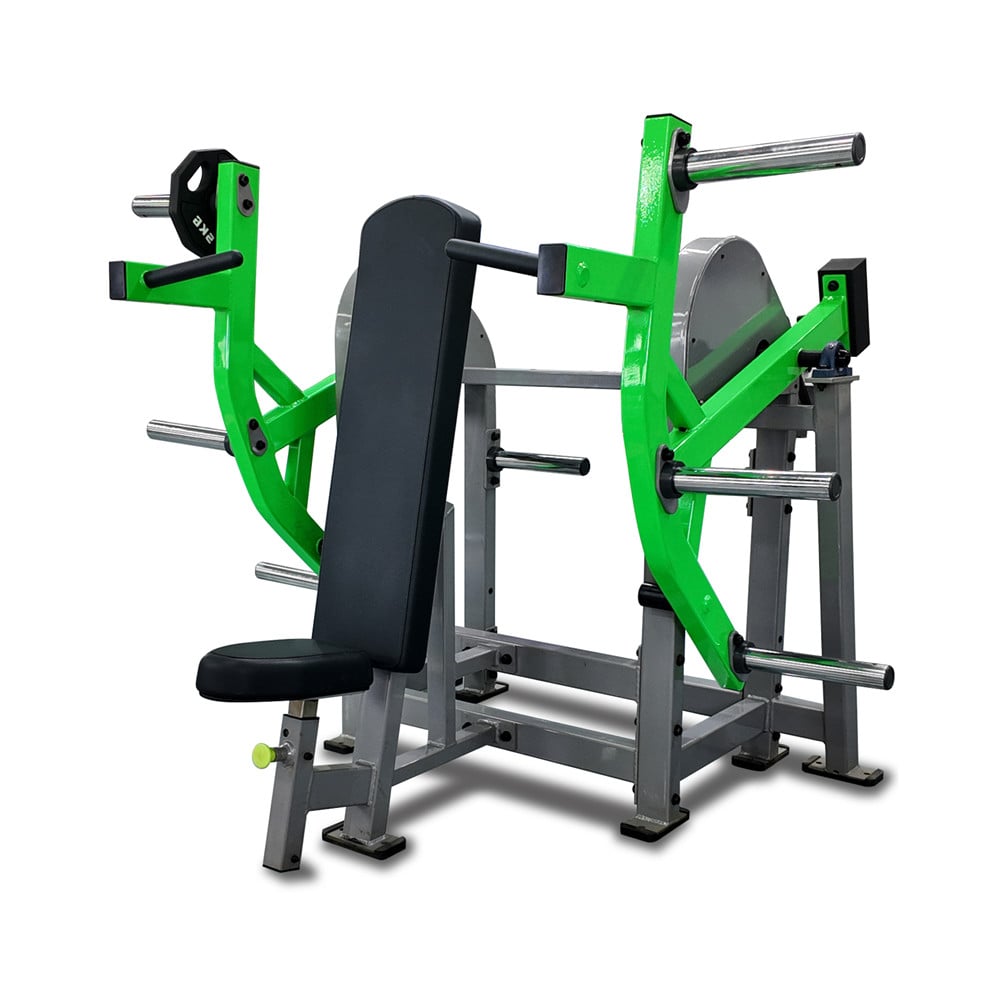
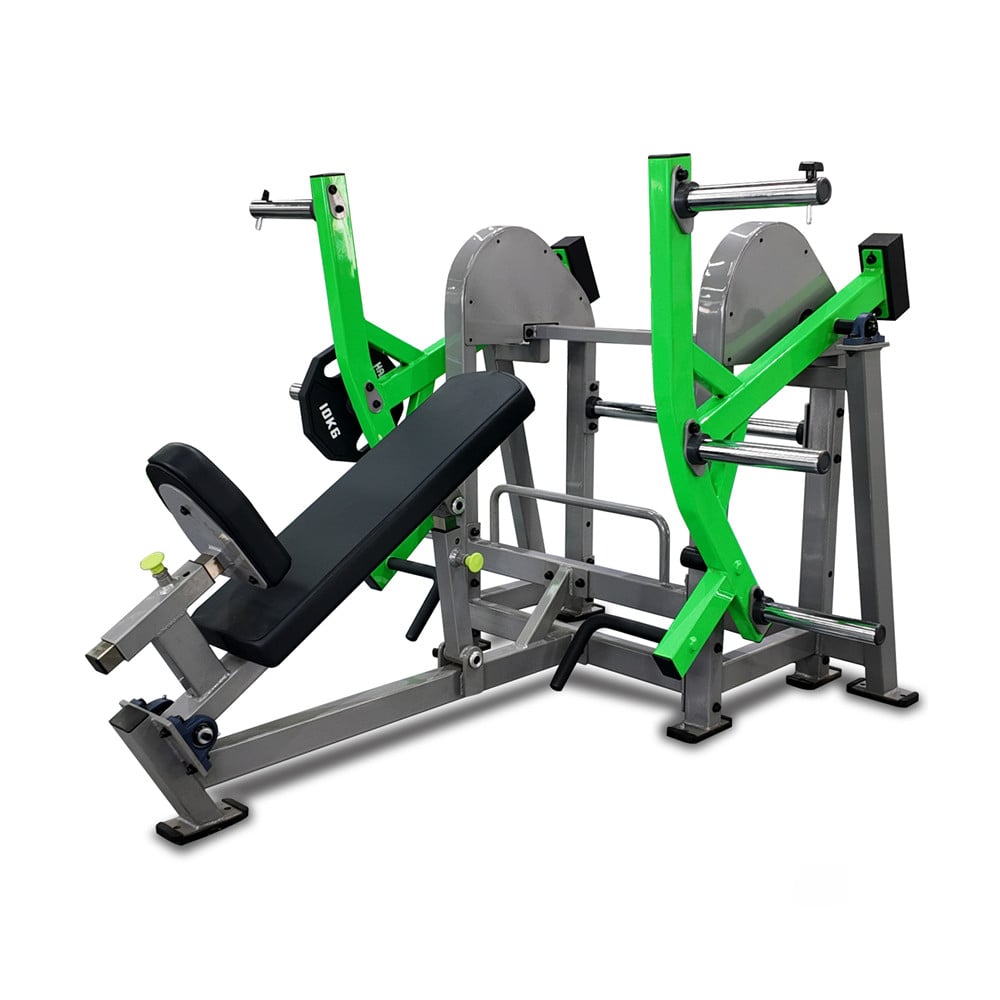
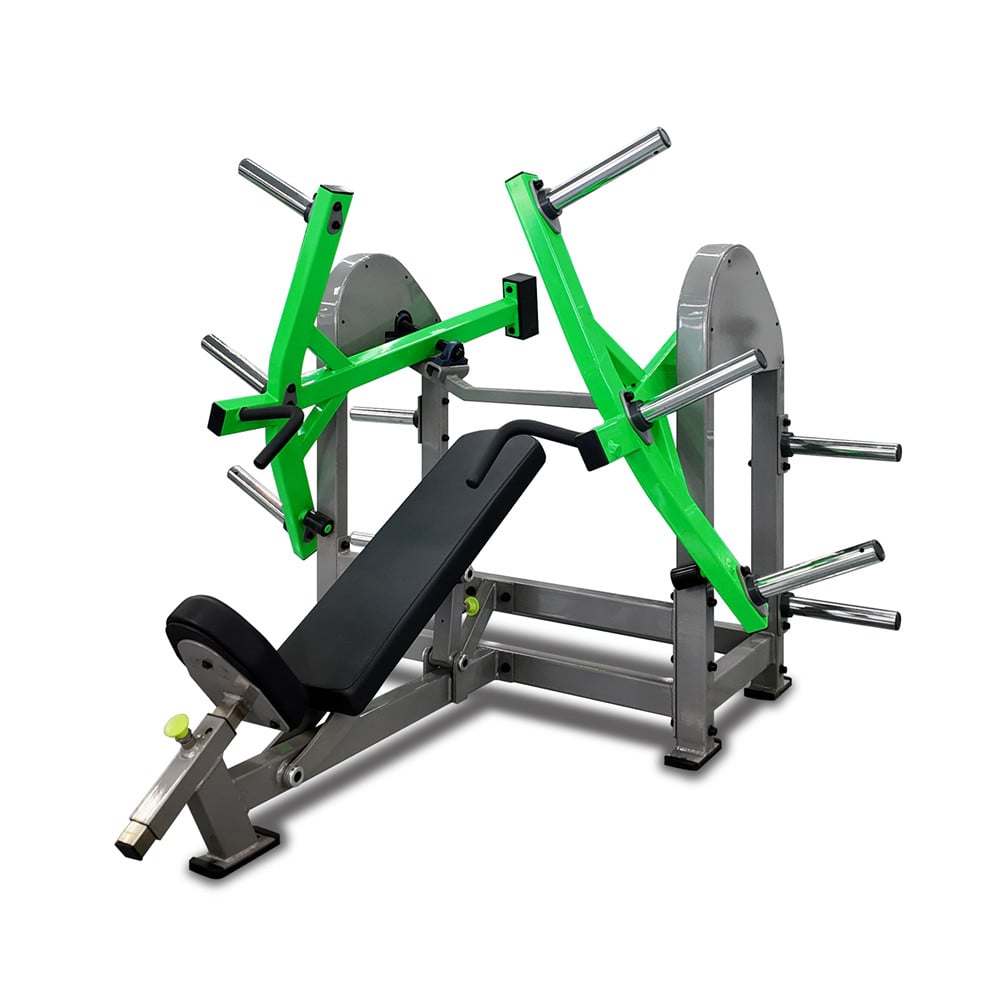
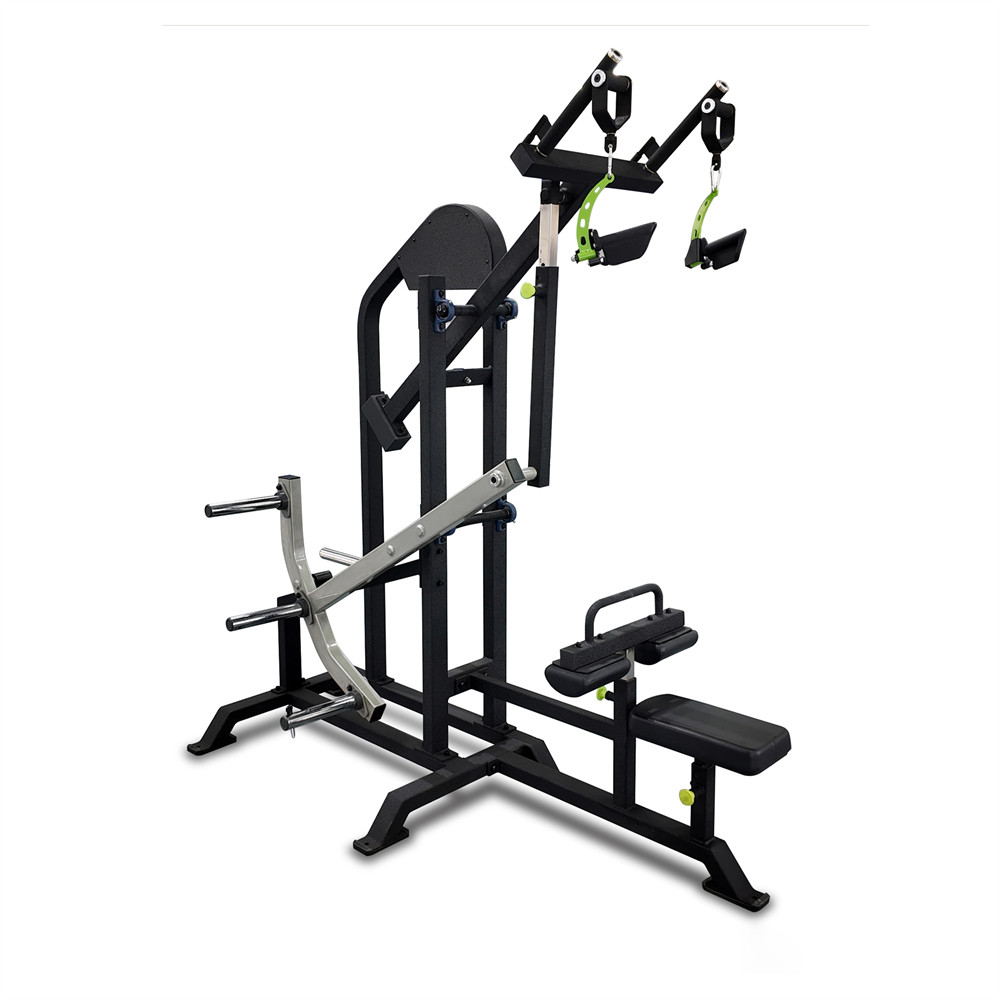
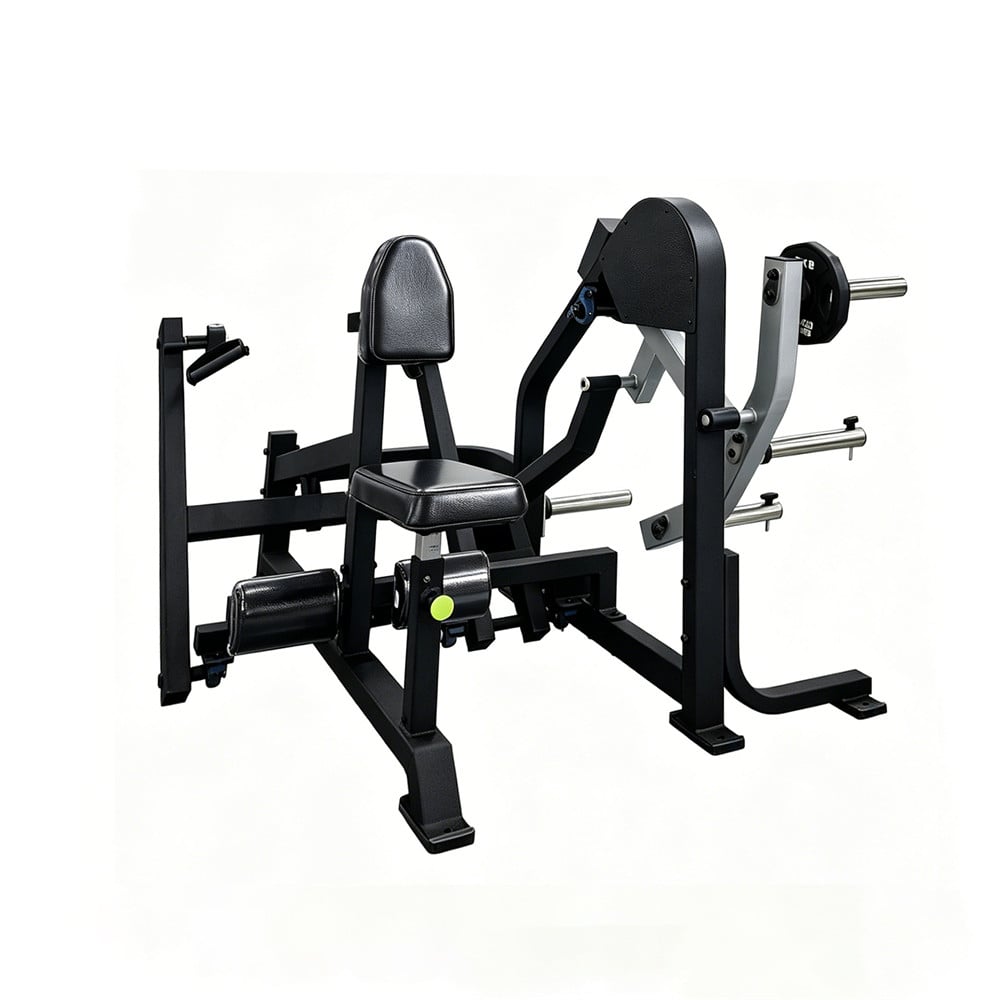
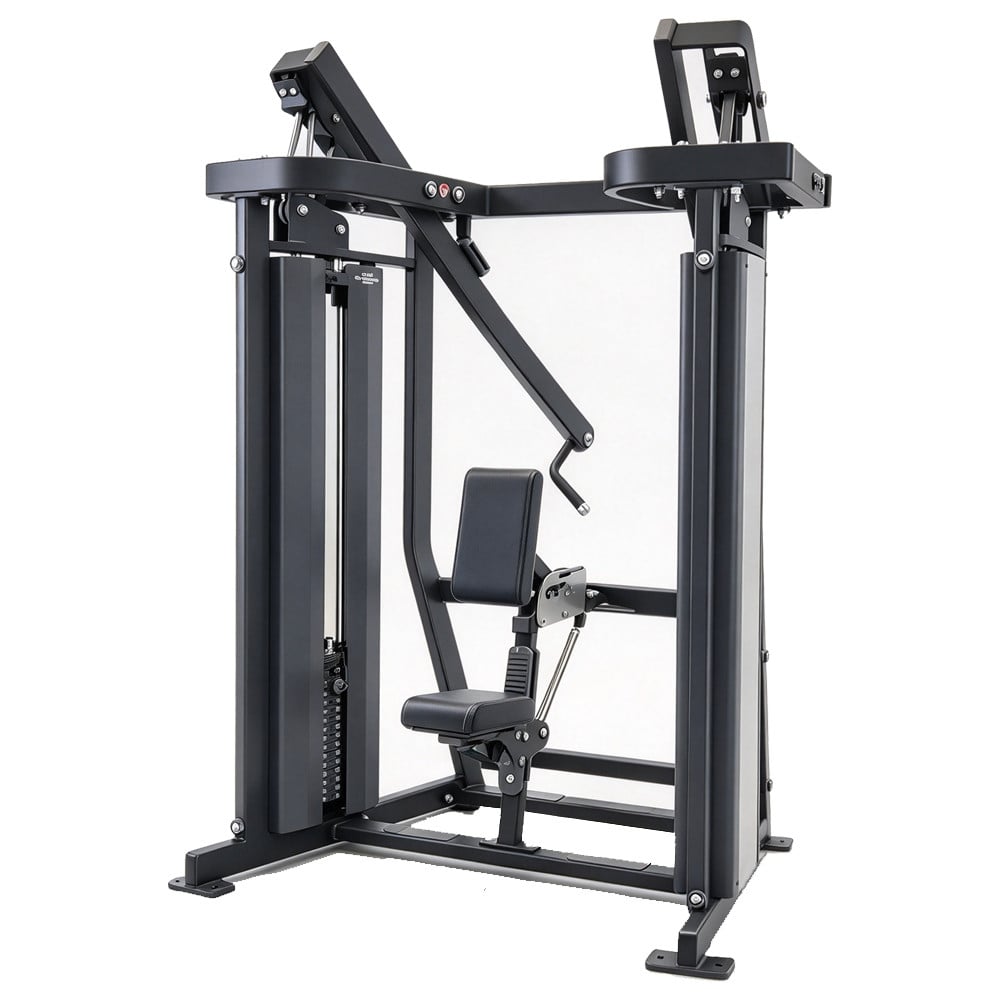
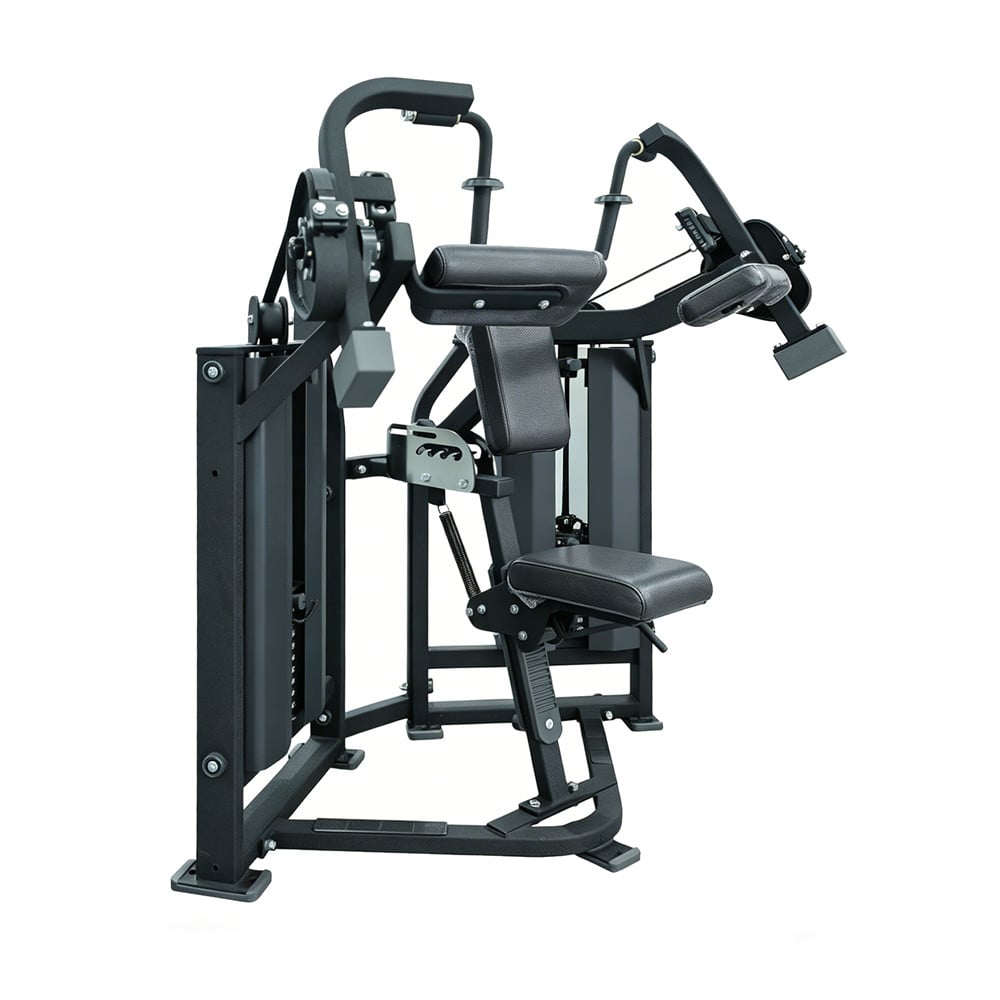
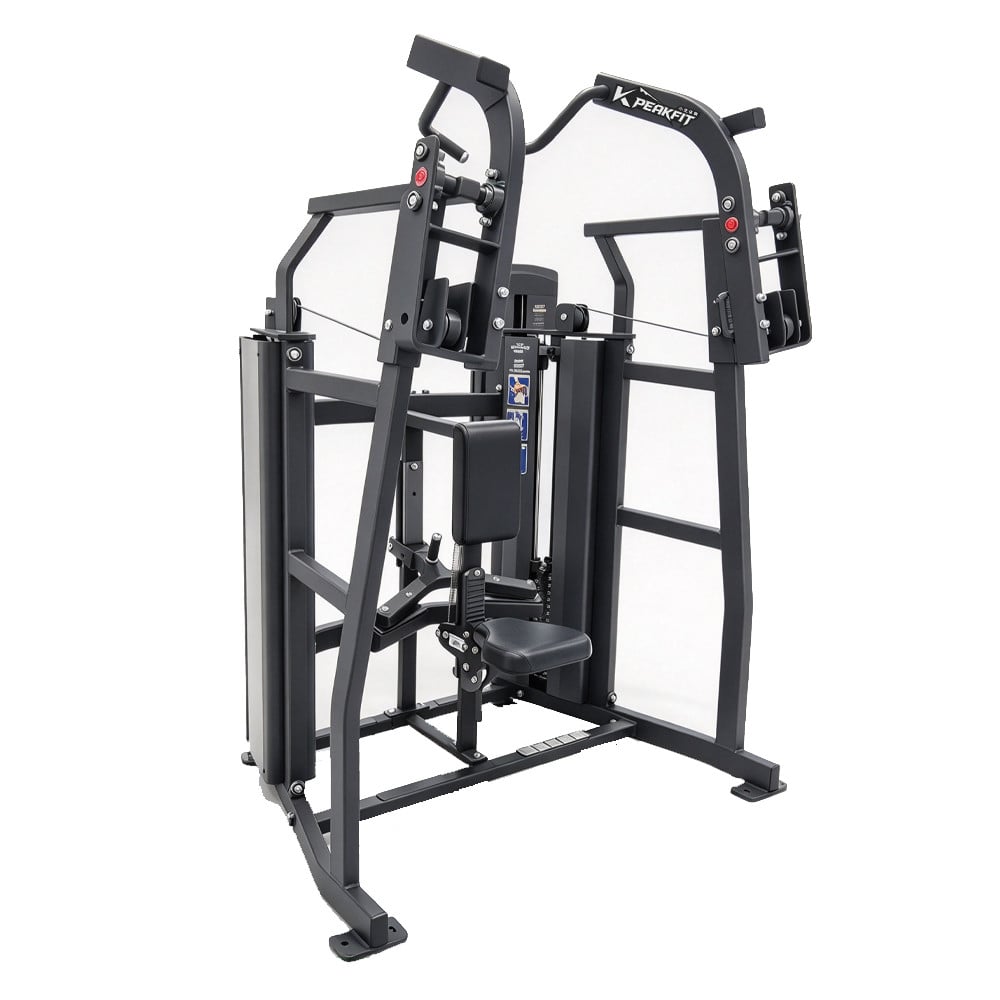
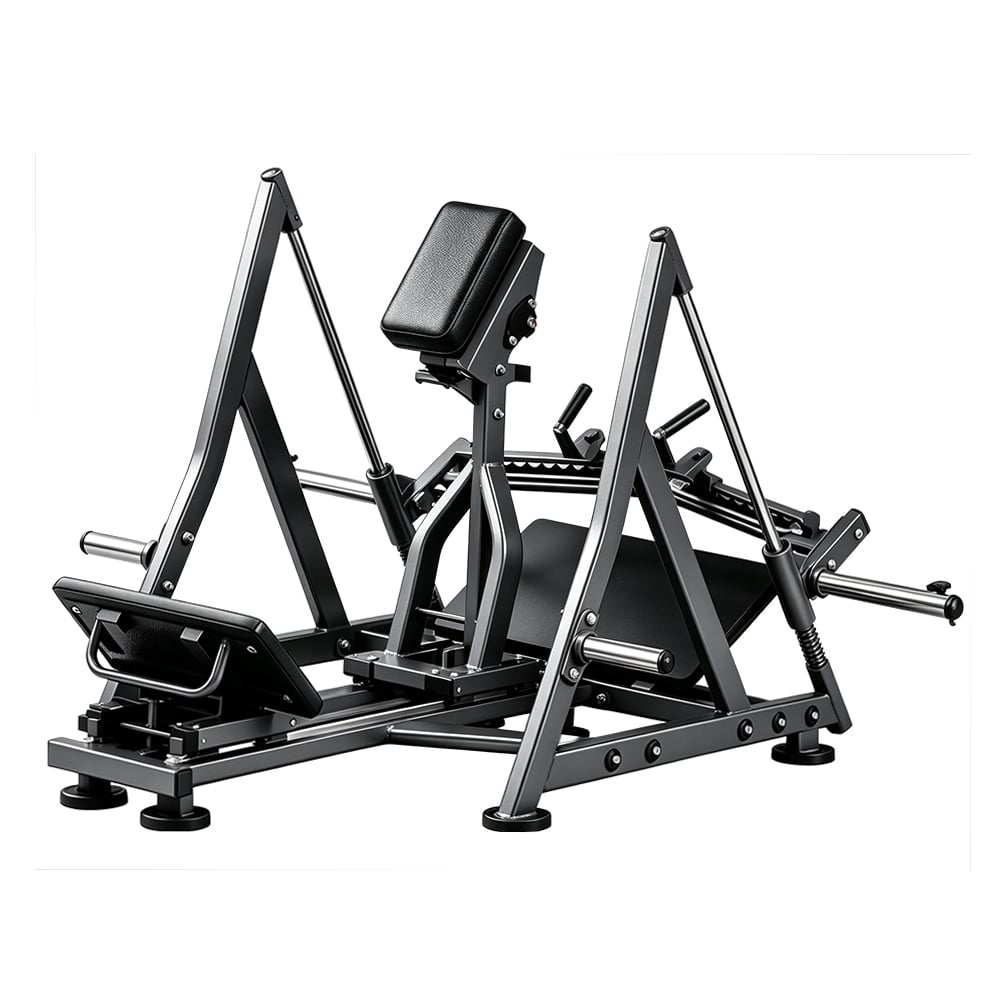
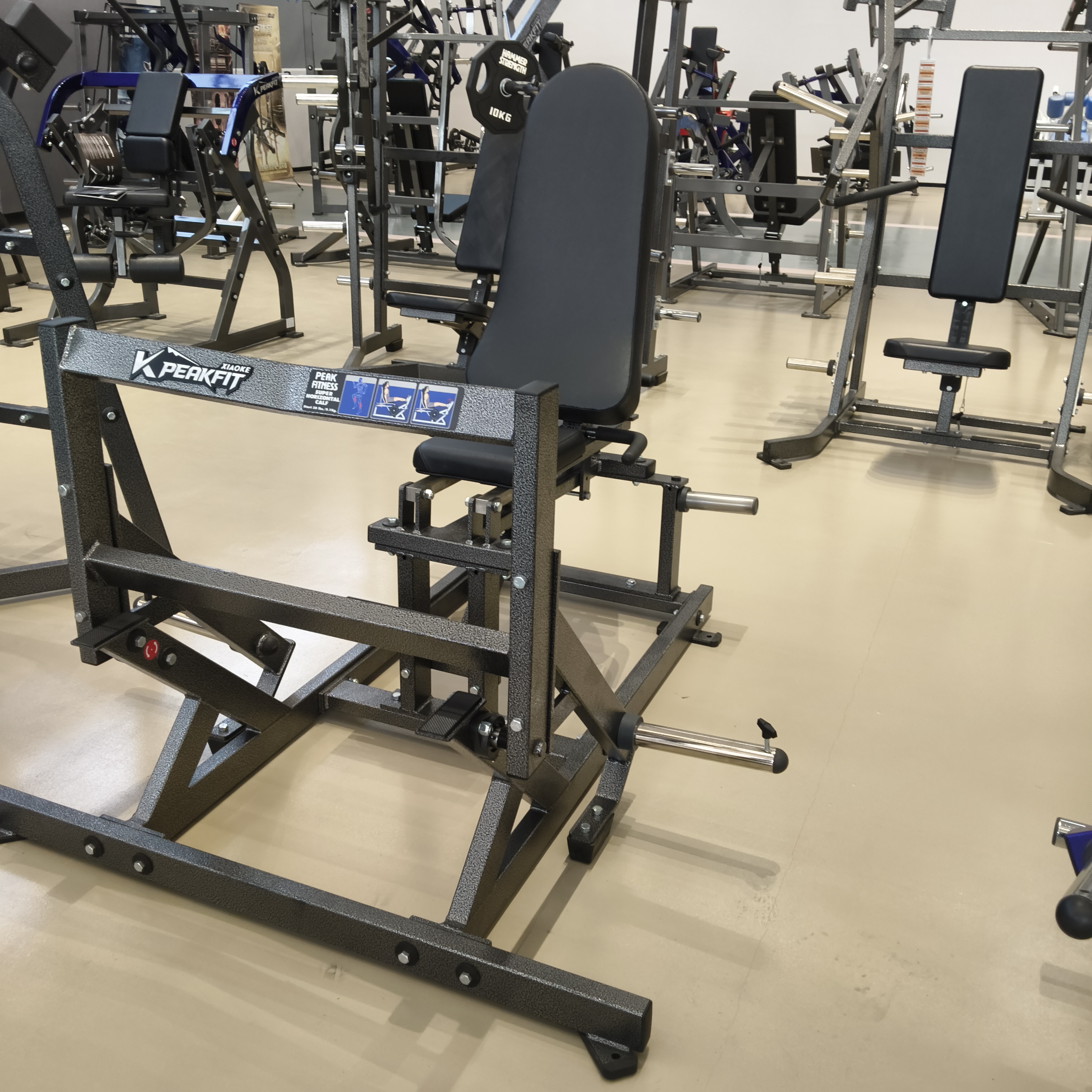
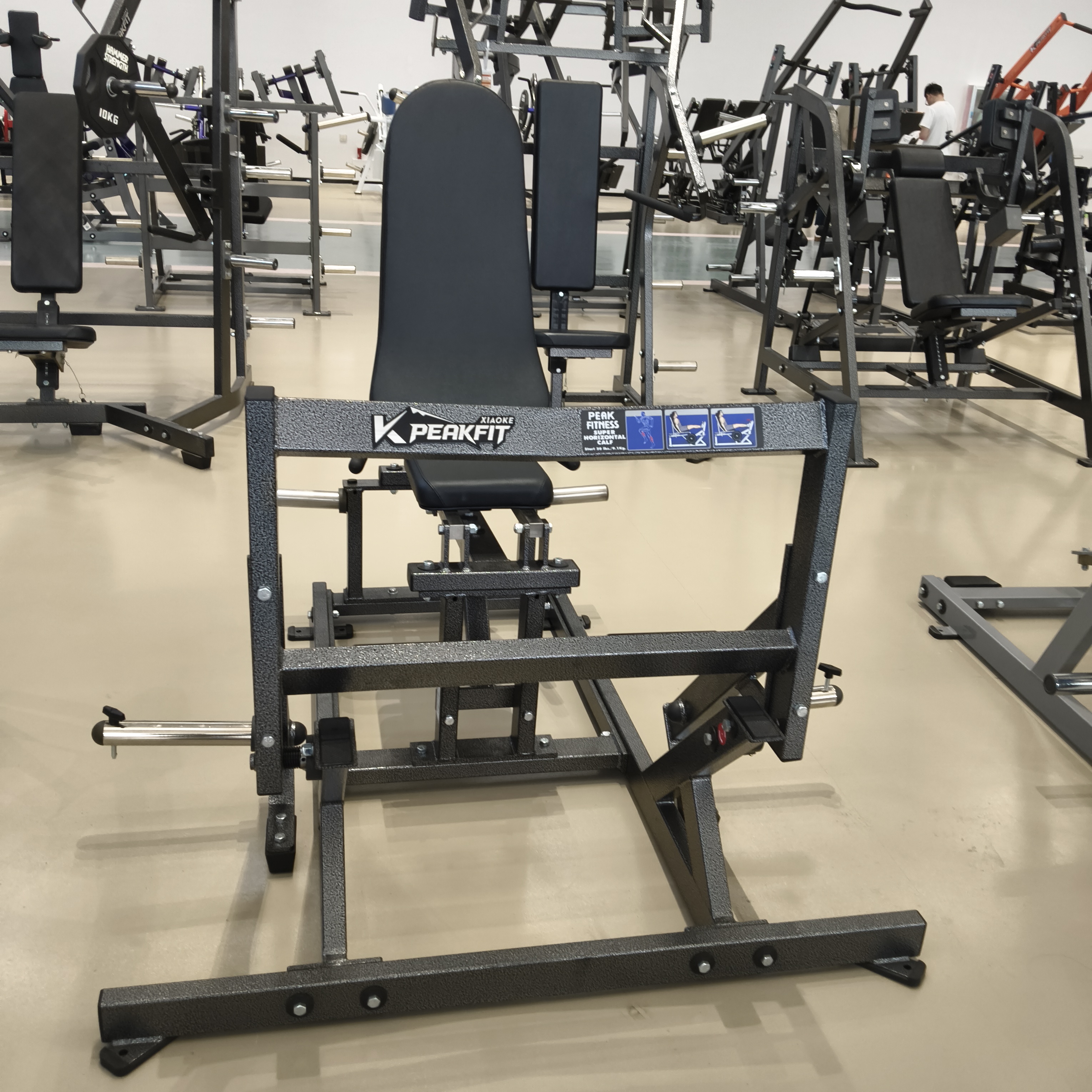
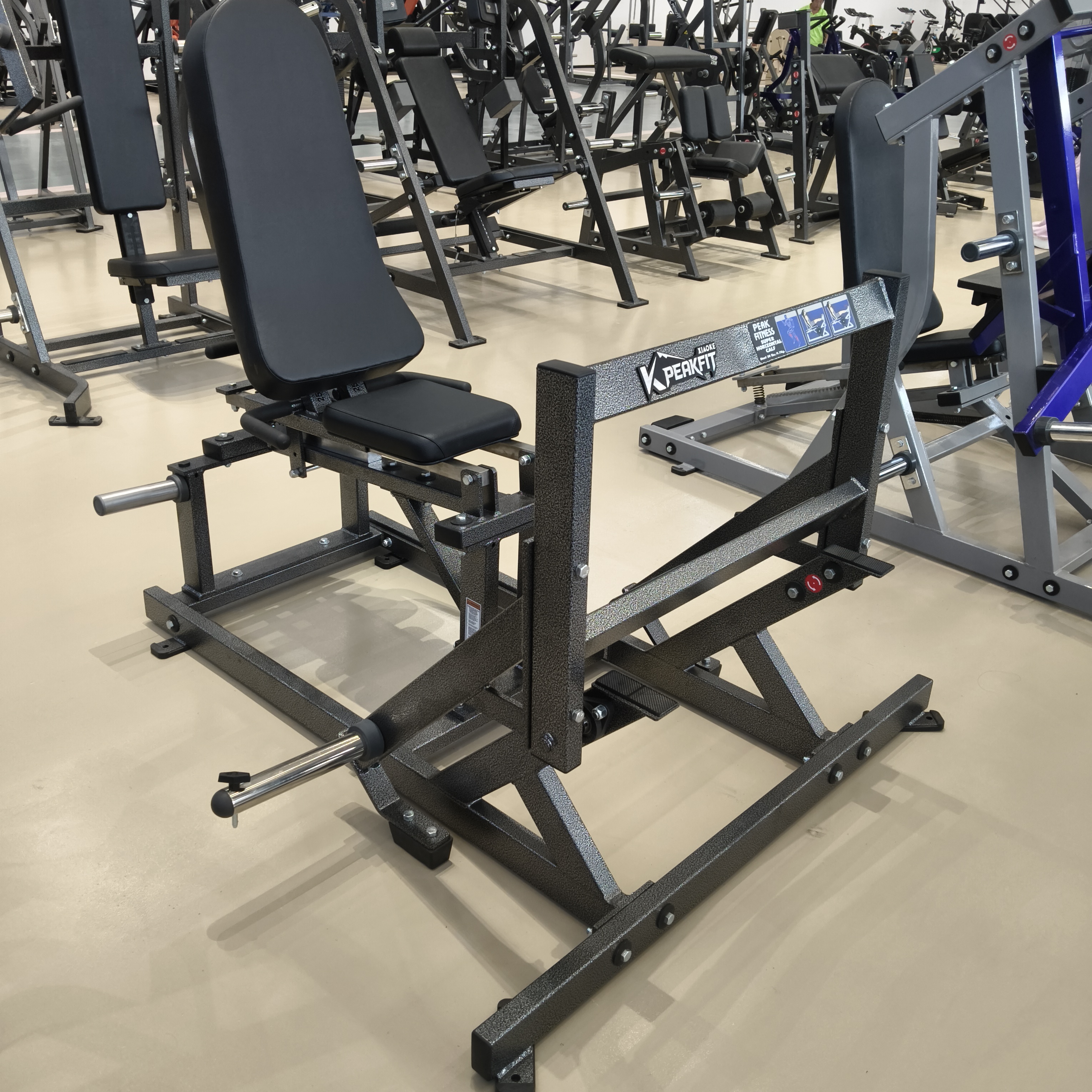
Plate loaded row machines are essential pieces of fitness equipment used primarily in strength training, designed to facilitate rowing movements that target the upper back, biceps, and shoulder muscles. For B2B buyers such as gym owners, fitness equipment distributors, or commercial fitness managers, understanding the intricacies of these machines is crucial. This article will cover key specifications to consider, wholesale purchasing options, factors affecting costs, common issues and solutions, and the applications of plate loaded rows in commercial fitness settings.

Wholesale Purchasing Options for High-Quality Plate Loaded Rows

Wholesale Purchasing Options for High-Quality Plate Loaded Rows

For purchasing plate loaded row machines at wholesale, it is essential to connect with reputable manufacturers and suppliers. XiaoKe Fitness Technology Co., Ltd. offers various options, including bulk orders and customizable features tailored to your business needs.

Minimum Order Quantity (MOQ): Understand the MOQ for wholesale purchases, which can vary by manufacturer. This helps in planning inventory and budget effectively.

Customization: Many manufacturers, including XiaoKe, offer customization options, such as color, branding, and specific features. Customization can enhance the appeal of your product line.

Lead Times: Confirm lead times for production and delivery. This is critical for planning your inventory and ensuring timely availability of equipment for your customers.

Payment Terms: Negotiate favorable payment terms. This may include upfront payments, deposits, or net payment terms based on order size and business relationships.

Shipping Options: Understand the shipping methods and costs involved, especially if importing internationally. Consider FOB (Free on Board) terms to manage shipping logistics effectively.

By leveraging wholesale purchasing strategies, businesses can secure high-quality plate loaded rows that align with market demand while optimizing costs. For example, the BM1015 Leg Press Machine is another valuable addition that complements the strength training spectrum.

Understanding the Cost Factors for Plate Loaded Row Machines

Understanding the Cost Factors for Plate Loaded Row Machines

The pricing of plate loaded row machines can vary significantly based on several factors:

Material Quality: Higher quality materials, such as commercial-grade steel, typically increase costs but improve durability and performance.

Design Complexity: More complex designs with advanced features, such as adjustable components or integrated technology, will generally cost more.

Brand Reputation: Established brands with a history of quality and performance may command higher prices due to their reliability and customer trust.

Production Volume: Larger orders often result in lower per-unit costs due to economies of scale. Consider negotiating pricing for bulk purchases.

Additional Features: Features such as integrated weight stacks, digital displays, or enhanced ergonomic designs can increase the price. Assess which features align with your target market’s needs.

Understanding these cost factors can help buyers make informed decisions and budget effectively for their fitness equipment purchases.

Common Problems with Plate Loaded Rows and Their Solutions

Common Problems with Plate Loaded Rows and Their Solutions

While plate loaded row machines are robust, they can encounter issues that may affect performance. Here are some common problems and suggested solutions:

Mechanical Wear and Tear: Over time, components may wear out, leading to decreased performance. Regular maintenance checks, including lubrication and tightening of bolts, are essential for longevity.

Misalignment: If the machine is not level or properly aligned, it can lead to user discomfort or injury. Ensure the installation site is even and periodically check the machine's alignment.

Weight Plate Compatibility: Some machines may have specific design requirements for weight plates. Verify that the machines are compatible with standard Olympic plates or specific brands to avoid buying additional equipment.

User Adjustment Difficulties: If adjustments are cumbersome, users may avoid using the machine. Implementing user-friendly mechanisms for seat and backrest adjustments can alleviate this issue.

Rust or Corrosion: Machines exposed to moisture may develop rust. Using powder-coated finishes and ensuring proper gym ventilation can mitigate this risk.

By proactively addressing these issues, gym operators can maintain their equipment's performance and ensure user satisfaction.

Applications of Plate Loaded Rows in Commercial Fitness Settings

Plate loaded row machines are versatile and serve various applications in commercial fitness settings:

Strength Training: They are primarily used for strength training, targeting the back, shoulders, and arms. This makes them essential for personal training sessions and group classes.

Rehabilitation: Plate loaded rows can be used in physical therapy to strengthen back muscles and improve posture for patients recovering from injuries.

Functional Training: Many fitness programs incorporate plate loaded rows as part of functional training routines, helping users build strength for everyday activities.

Weightlifting Competitions: In specialized training facilities, these machines can prepare athletes for weightlifting competitions, enhancing their strength and technique.

CrossFit Facilities: Plate loaded rows are often found in CrossFit gyms, where diverse training regimes require robust and effective strength equipment.

By understanding these applications, gym owners and fitness managers can effectively market their offerings and meet the diverse needs of their clientele.

In summary, selecting a plate loaded row machine involves careful consideration of specifications, purchasing strategies, cost factors, common issues, and applications in the fitness industry. By focusing on these critical elements, B2B buyers can make informed purchasing decisions that enhance their offerings and ultimately benefit their customers.

Key Specifications to Evaluate in Plate Loaded Row Machines

When selecting a plate loaded row machine, buyers should evaluate several key specifications to ensure optimal performance and durability.

Weight Capacity: The maximum load the machine can handle is paramount. Machines typically range from 200 to 1,000 pounds. Ensure the weight capacity aligns with the expected usage in your facility.

Frame Construction: Look for machines made from high-quality steel with a robust frame design. This affects stability and longevity. A powder-coated finish can enhance resistance to wear and rust.

Adjustability: An adjustable seat and backrest can accommodate various user sizes and preferences, improving user experience and safety. Ensure the machine's adjustments are smooth and easy to operate.

Dimensions: Evaluate the overall footprint of the machine to ensure it fits within the available space in your facility. Consider the space needed for user access and movement.

Ergonomics: Machines should be designed to support natural body movements, reducing strain and risk of injury during use. Features such as padded grips and contoured seats contribute to ergonomic design.

By focusing on these specifications, buyers can select plate loaded row machines that meet user needs and enhance workout effectiveness. Additionally, incorporating equipment like the BD1001 Standing Hip Thruster can further diversify workout options.

Frequently Asked Questions

What is the plate loaded row designed for?

The plate loaded row targets back, lats, and rear delts. It offers a natural rowing motion for strength and muscle development in pulling movements.
Our plate loaded row is built with high-precision manufacturing and supports heavy commercial loads; exact capacity varies by model—please request specifications for model-specific limits.
Constructed from durable steel with anti-corrosion powder coating and high-strength bearings to ensure long-lasting performance and stable quality for commercial use.
We provide detailed assembly instructions and can offer remote technical support. For large orders, installation services can be discussed to ensure proper setup.
Yes. We supply warranty coverage and global after-sales support, backed by our RD and production team to handle parts, repairs, and maintenance inquiries.

Get a Free Quote

Our representative will contact you soon.
0/1000