Choosing the Right Low Row Machine for Your Business

Kpeakfit, full-chain manufacturer with 10+ years & 90,000㎡ workshop.

Exhibit at IWF Shenzhen(H4A10) & WFF Shaoxing for global buyers.

Certified fitness gear, one-stop service for worldwide partners.

application/Low-Row-Machine, application/Low-Row-Machine, 
Inquiry
Inquiry

Low Row Machine

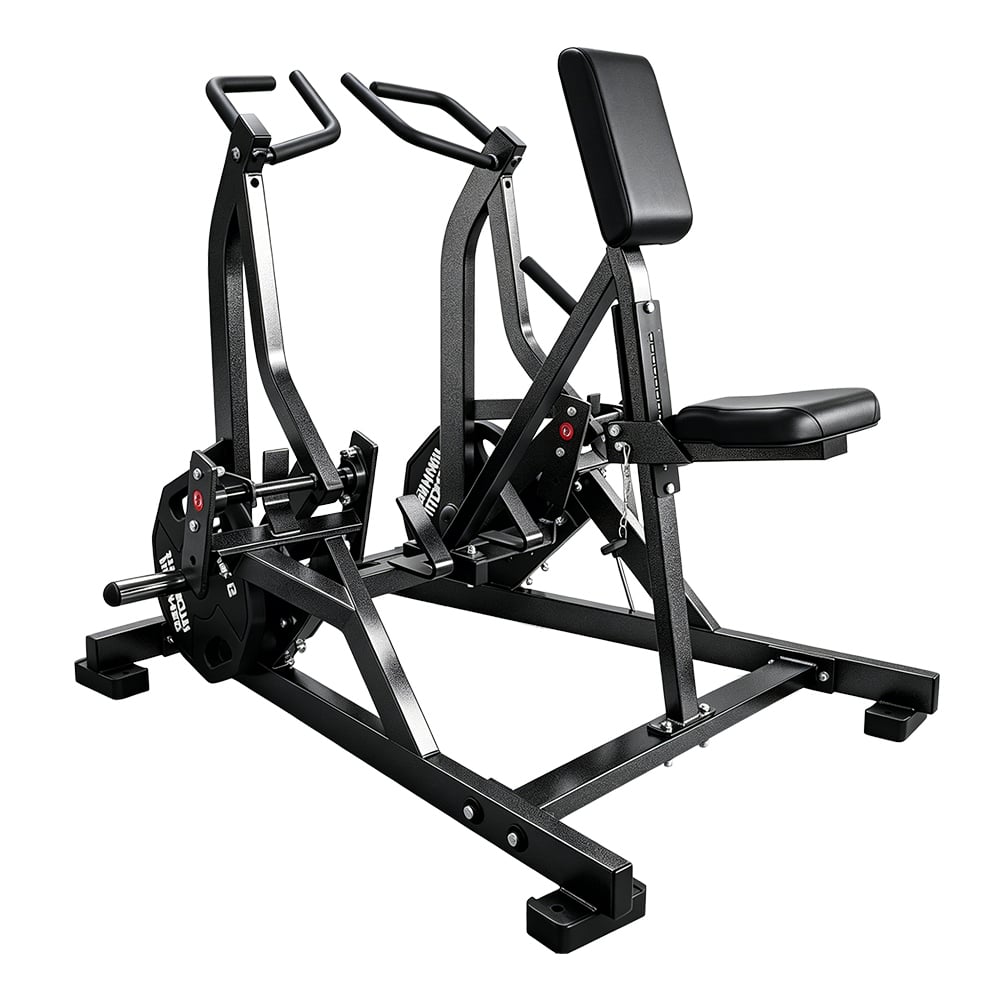
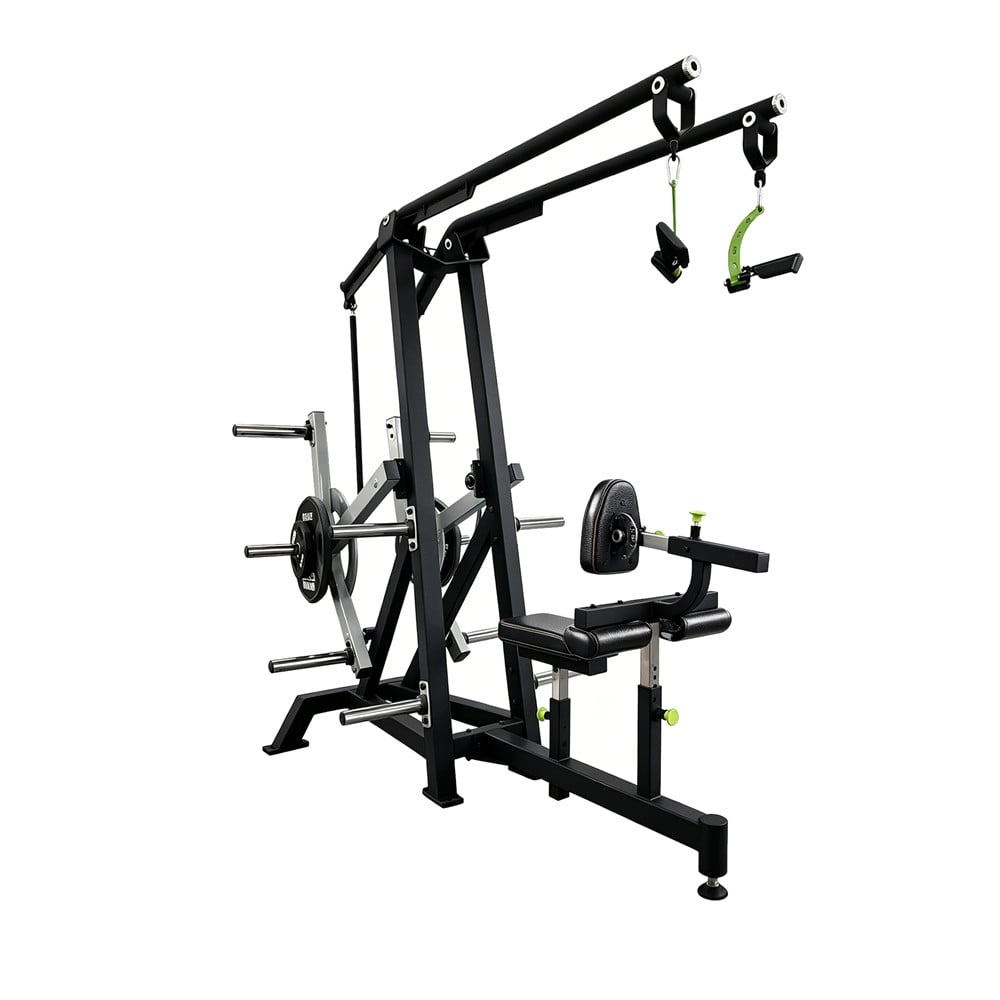
Low row machines are a vital component of fitness equipment designed to enhance strength training by targeting the back and upper body muscles. For B2B buyers—such as fitness equipment wholesalers, gym operators, and commercial distributors—choosing the right low row machine involves understanding specifications, quality control standards, and installation requirements. This article will help you navigate these considerations to make informed purchasing decisions.

Key Specifications to Consider When Sourcing Low Row Machines

Key Specifications to Consider When Sourcing Low Row Machines

Several specifications are critical when sourcing low row machines. Key factors include:

Weight Capacity: Ensure the machine can support a range of users. A higher weight limit typically indicates a sturdier construction.

Dimensions: The overall size affects usability and space requirements. Verify that the dimensions fit within your operational environment.

Materials: Look for durable materials that can withstand regular use. Steel frames are common for their strength, while high-density foam padding ensures comfort.

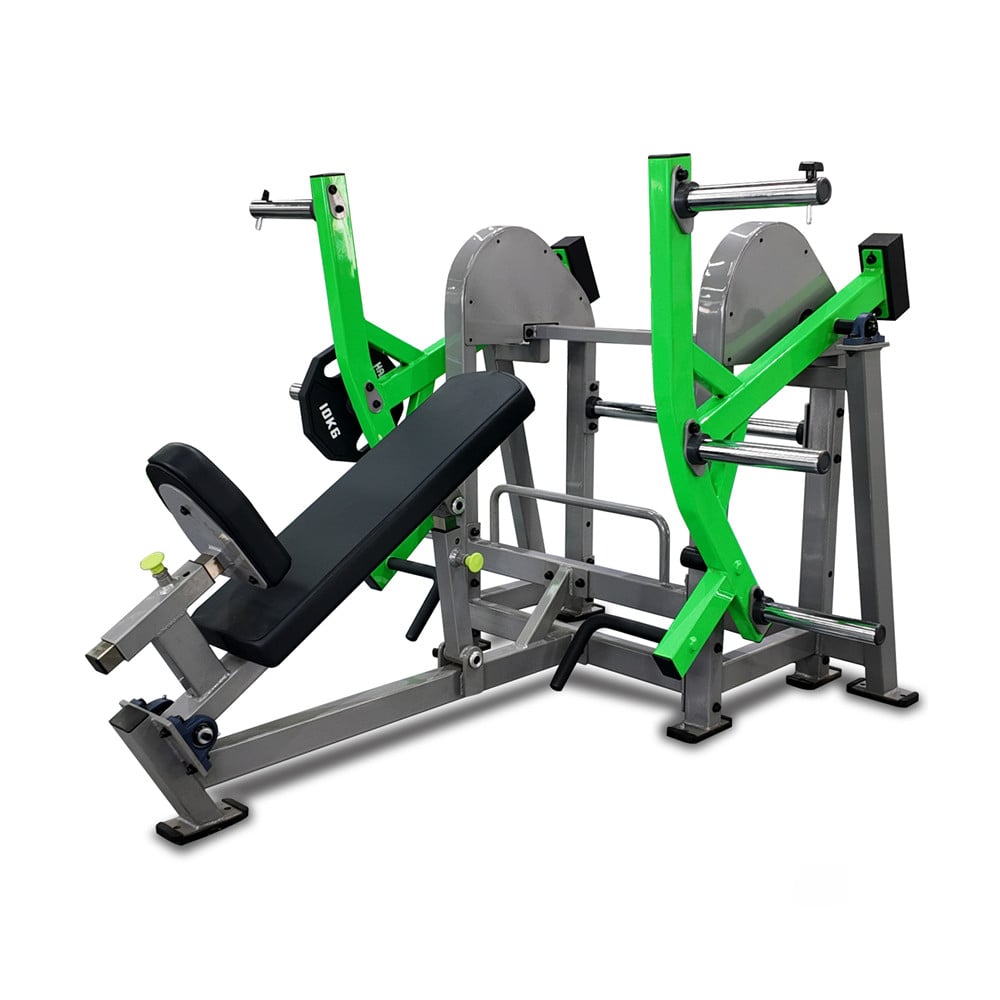
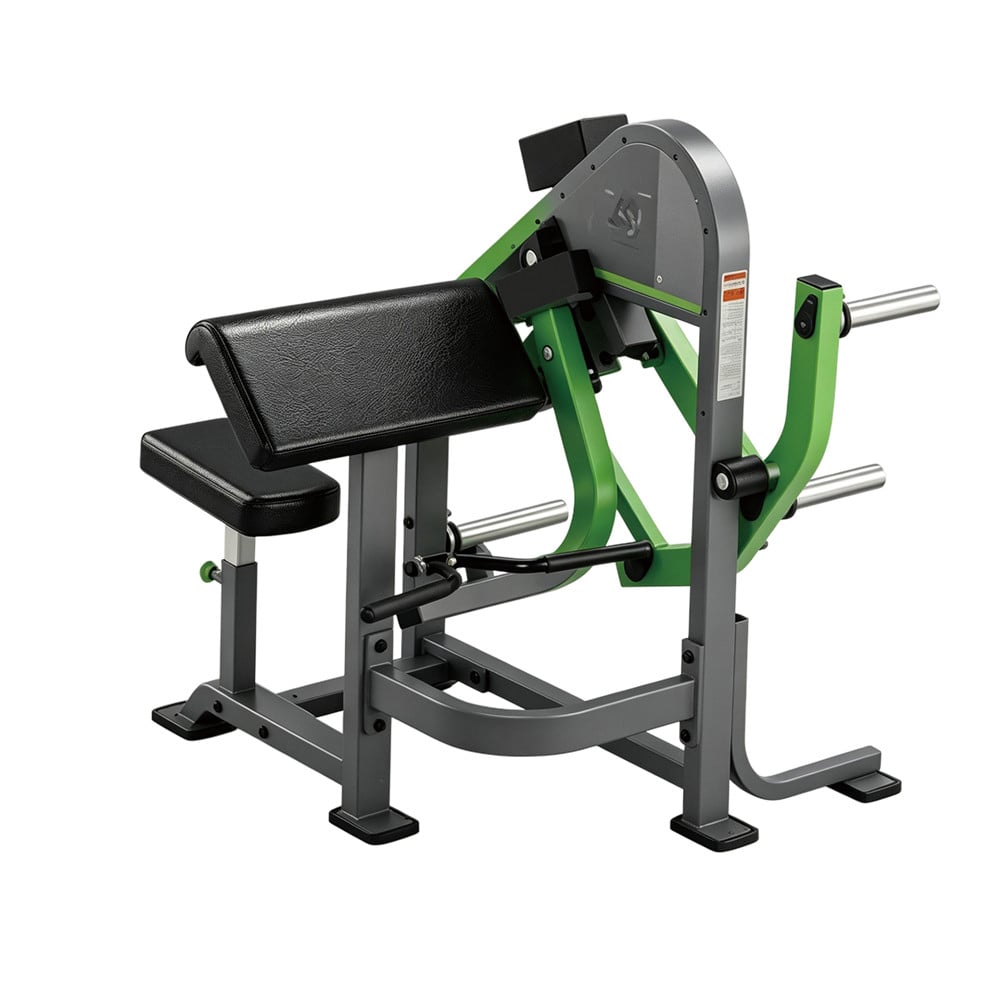
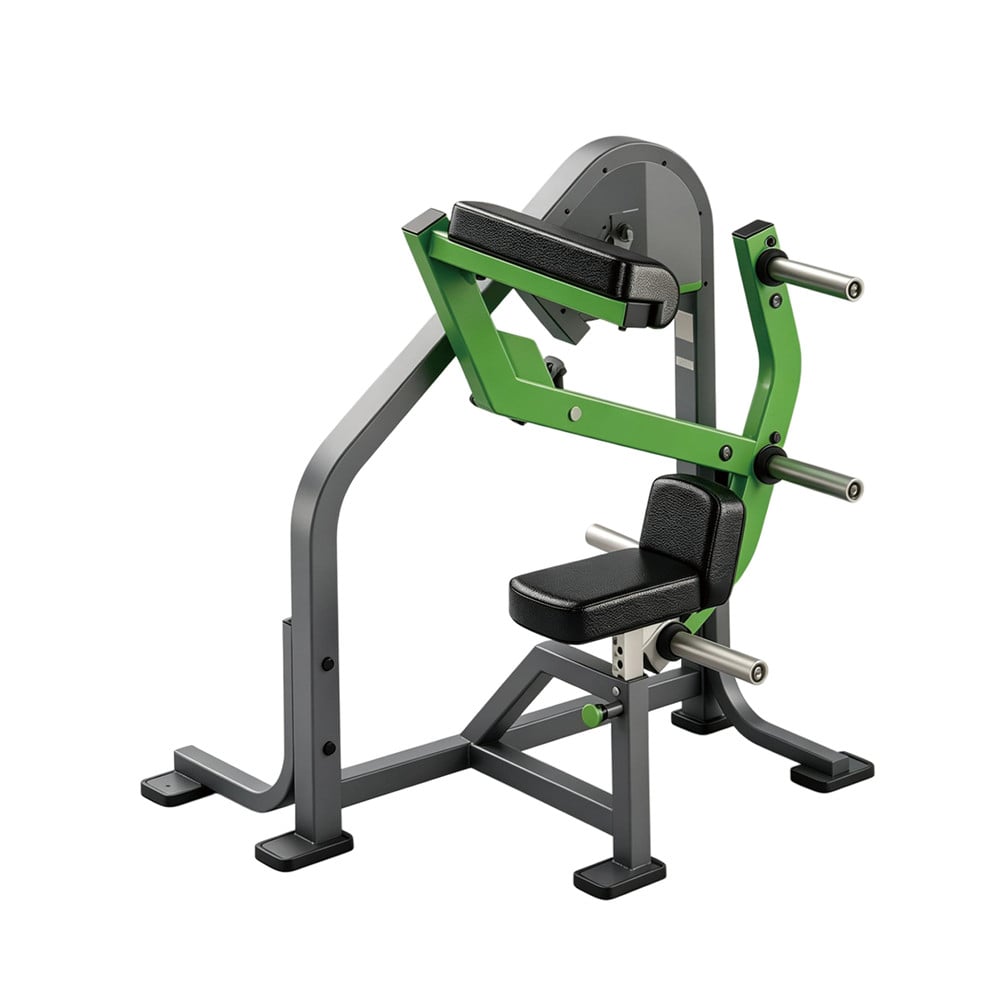
Resistance Mechanism: Low row machines may utilize weight stacks, pneumatic systems, or resistance bands. Confirm which type aligns with your clientele's preferences for resistance training. The BM1011 Triceps trainer is an excellent example of a versatile machine.

Warranties and Support: Evaluate warranty terms and post-purchase support options. A solid warranty can indicate the manufacturer's confidence in their product quality.

Understanding these specifications allows you to assess whether a low row machine meets your customers' expectations and operational needs.

Evaluating Quality Control Standards in Low Row Machine Manufacturing

Evaluating Quality Control Standards in Low Row Machine Manufacturing

Quality control is a vital aspect of the manufacturing process for low row machines. To ensure the product meets industry standards, inquire about the manufacturer's quality control protocols. This may include:

Material Testing: Verify if the manufacturer conducts tests on raw materials to ensure they meet performance and safety standards.

Production Monitoring: Consider suppliers that use automated production lines, as these often enhance precision and consistency in manufacturing.

Final Inspections: Request information on the final inspection processes before shipment. This step is crucial to identifying potential defects and ensuring the machine functions correctly.

A reliable manufacturer, like XiaoKe Fitness Technology Co., Ltd., should be able to provide documentation of their quality assurance processes and any relevant certifications, which can help build buyer trust and ensure product reliability.

Understanding Installation Requirements for Low Row Machines

Understanding Installation Requirements for Low Row Machines

Installation is another critical factor to consider when sourcing low row machines. Depending on the complexity of the machine, you may need to allocate additional resources for assembly and setup. Here are some considerations:

Space Requirements: Ensure that there is adequate space not only for the machine itself but also for user movement around it during workouts.

Installation Instructions: Verify that the manufacturer provides clear installation guidelines. Some suppliers may offer professional installation services, which can simplify the process for buyers.

Electrical or Water Connections: If the machine has electronic components, confirm whether it requires an electrical outlet or any plumbing for functions like water resistance.

Maintenance Access: Consider how easily accessible critical components are for maintenance and repairs. This can save time and resources in the long run.

Understanding these requirements will help you plan for a smooth installation process, ensuring that your clients can start using the machines efficiently.

Material Advantages of Low Row Machines for Long-Term Use

The materials used in low row machines significantly impact their durability and performance. Common materials include:

Steel: Known for its strength and longevity, steel frames can withstand heavy use, making them ideal for commercial fitness environments. Look for machines with powder-coated finishes for added resistance to wear and corrosion.

High-Density Foam: Padded areas should be made from high-density foam to provide comfort without sacrificing durability. This material helps absorb shock and reduces user fatigue during prolonged workouts.

Durable Upholstery: The upholstery covering the padding should be tear-resistant and easy to clean. Materials such as vinyl or synthetic leather are commonly used for their durability and aesthetic appeal.

Selecting the right materials not only enhances the machine's lifespan but also ensures user safety and satisfaction. Buyers should confirm that manufacturers adhere to high standards in material selection and processing to guarantee long-term use.

By focusing on these key areas—selection, specifications, quality control, installation, and materials—B2B buyers can make informed purchasing decisions regarding low row machines, ultimately benefiting their business and their clients.

Choosing the Right Low Row Machine for Your Wholesale Needs

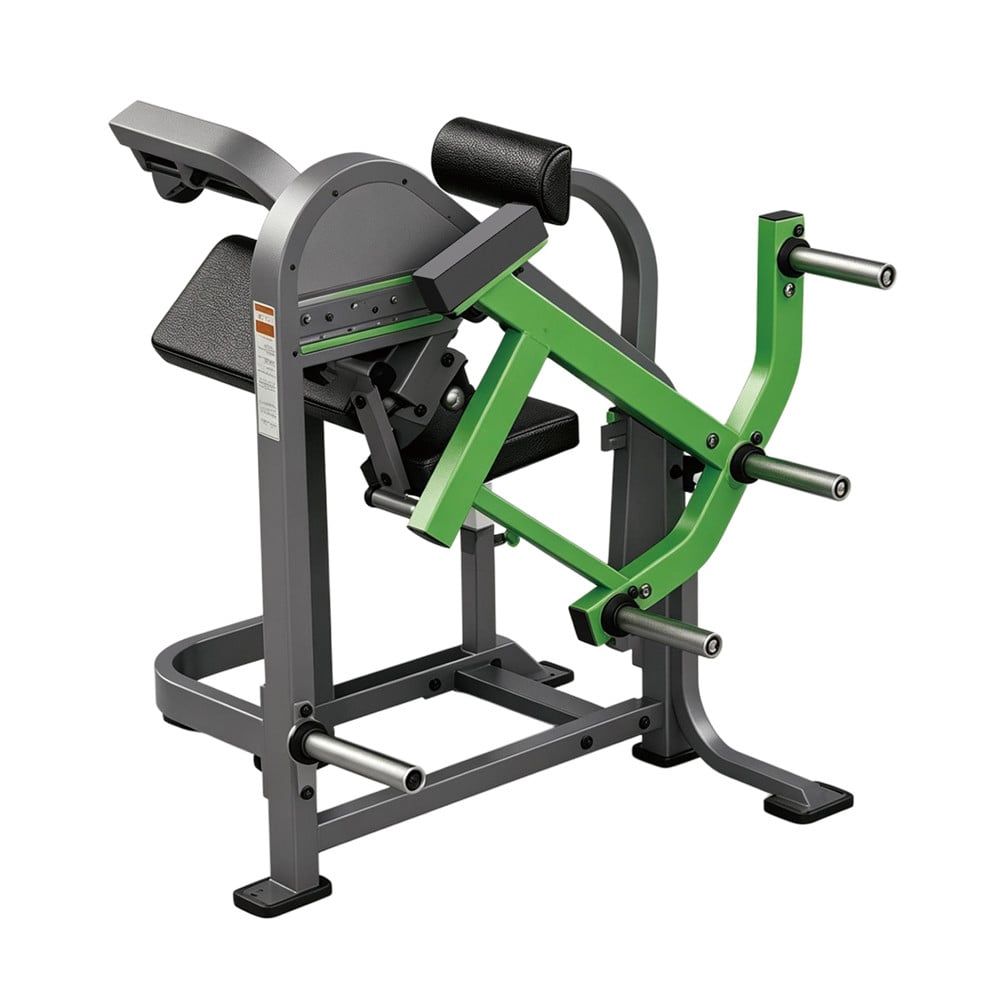
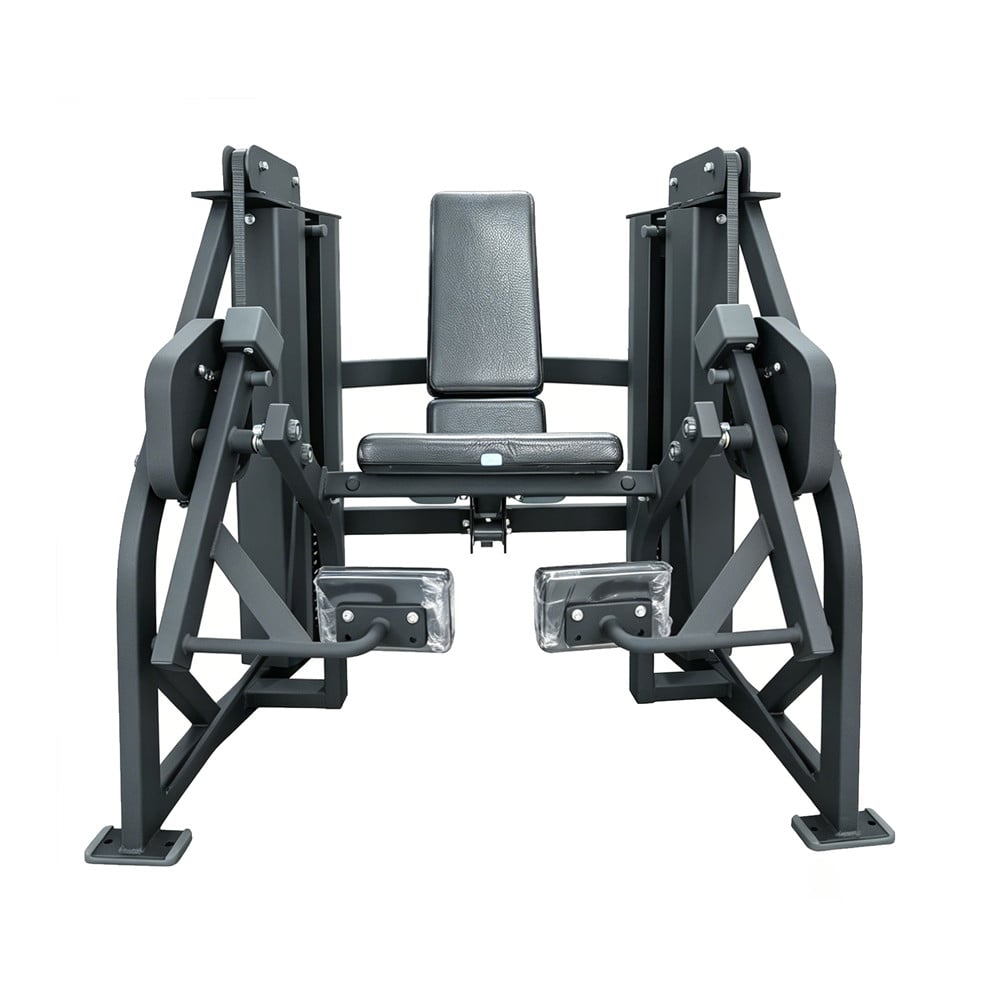
When selecting a low row machine for wholesale, consider the intended application and the specific needs of your target market. Different models may offer varying features, such as adjustable resistance, ergonomic designs, and integrated technology for tracking performance. Prioritize machines that have a robust frame and can withstand heavy use, especially in commercial settings. For example, the BD3003 Plug in hip abduction trainer provides excellent support for various fitness levels.

It's also crucial to evaluate the machine's size and weight to ensure compatibility with your available space and transportation logistics. For example, a compact model may be better suited for smaller gyms, while larger, more feature-rich machines could appeal to high-volume fitness centers.

Additionally, think about customization options. Some manufacturers, including XiaoKe Fitness Technology Co., Ltd., offer tailored solutions that allow you to specify colors, branding, and additional features. Such options can help differentiate your product offerings in a competitive market.

Get a Free Quote

Our representative will contact you soon.
0/1000